Glass Insulators for Highly Polluted Environments
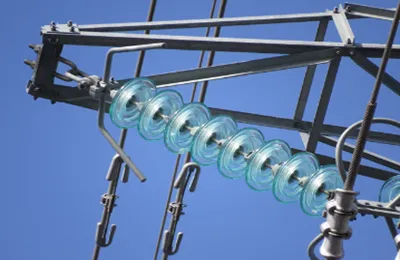
Toughened glass insulators are suitable because they have smooth surfaces, strong mechanical strength, and self-shattering failure detection.
High-voltage toughened glass suspension insulators are widely used in polluted regions due to their durable material properties.
Advantages of Glass Insulators
-
Smooth surface reduces contamination buildup
-
Excellent dielectric strength
-
Easy visual inspection for damage
-
Strong resistance to weather and UV exposure
In many transmission systems, anti-pollution glass insulators with extended creepage distance are used for coastal or industrial environments.
Another advantage is their self-shattering property—if a glass insulator fails, it breaks visibly, allowing maintenance teams to identify the problem quickly.
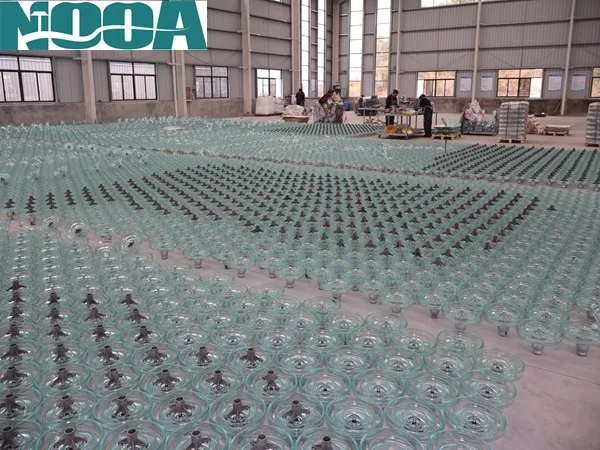
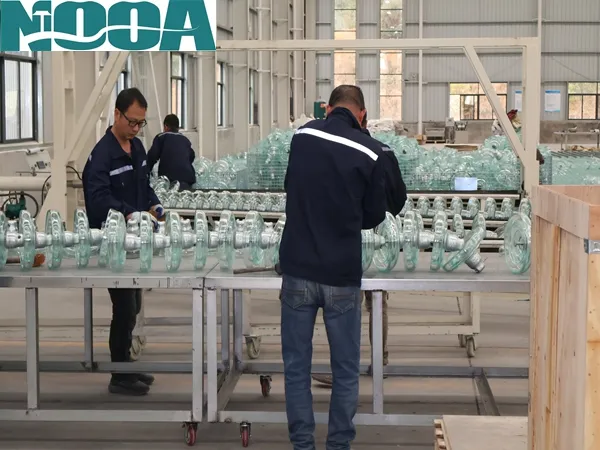
We Nooa Electric manufacture glass insulators designed for long-term operation in coastal transmission lines, desert environments, and heavy industrial zones. and there are: our global project cases for your reference.
Why Pollution Is a Major Challenge for Power Line Insulators?
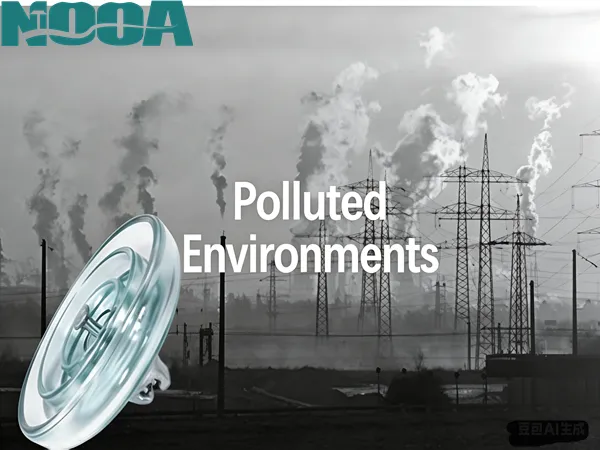
Pollution deposits on insulators create conductive paths when moisture appears, which can trigger electrical flashover and power outages.
Severely polluted areas—such as coastal regions with salt contamination, industrial zones with chemical emissions, and desert environments with sand and dust—pose serious risks to electrical insulation systems.
When contaminants accumulate on an insulator surface, the following problems can occur:
-
Surface conductivity increases when moisture mixes with pollution
-
Leakage current flows along the insulator
-
Dry band arcing occurs
-
Flashover events may disrupt transmission lines
These conditions require specialized anti-pollution high-voltage insulators designed to withstand harsh environmental conditions.
Utilities often specify enhanced insulator designs that feature longer creepage distances, improved surface properties, and materials that resist contamination. We Nooa Electric-toughened glass insulator manufacturer focus on producing insulation solutions engineered specifically for such demanding environments.
Key Characteristics of Insulators Used in Severely Polluted Areas
Insulators for polluted regions require longer creepage distance, anti-pollution profiles, and materials that resist contamination and moisture.
To function reliably in contaminated environments, insulators must include several critical design features.
Extended Creepage Distance
Creepage distance refers to the path along the insulator surface between energized and grounded parts. In polluted environments, a longer creepage distance reduces the risk of flashover.
Anti-Pollution Profile Design
Special shapes—such as fog-type or aerodynamic sheds—help reduce pollutant accumulation and allow contaminants to wash away more easily during rainfall.
Hydrophobic Surface Properties
Materials with hydrophobic characteristics prevent water films from forming continuous conductive paths across the surface.
High Mechanical Strength
Transmission lines in polluted areas often experience additional stresses such as wind, temperature fluctuations, and ice loads.
Modern professional power insulator solutions developed by China disc insulator supplier - Nooa Electric combine these features to enhance reliability in harsh environments.
How Utilities Select Insulators for Polluted Areas?
Engineers select insulators based on pollution severity level, creepage distance requirements, voltage level, and environmental conditions.
Choosing the correct insulator involves several engineering considerations:
Pollution Severity Level
Standards such as IEC 60815 classify environments into pollution categories.
System Voltage
Higher voltage lines require longer creepage distances.
Climate Conditions
Humidity, rainfall, and wind influence contamination buildup.
Maintenance Accessibility
Some environments require low-maintenance solutions.
FAQ about Insulators for Polluted Environments
1.What causes insulator flashover in polluted environments?
Flashover typically occurs when pollution accumulates on the insulator surface and moisture creates a conductive path that allows leakage current to flow.
2.Which insulator type is best for coastal power transmission lines?
Composite polymer insulators and anti-pollution glass insulators are commonly used because they perform well under salt contamination.
3.What is creepage distance in insulators?
Creepage distance is the path along the insulator surface between energized and grounded components. Longer creepage distances improve performance in polluted environments.
4.How to choose high pressure tempered glass insulator for corrosion intense area?
Professional Tempered Glass Insulator Guide from glass insulator manufacturer - Nooa Electric