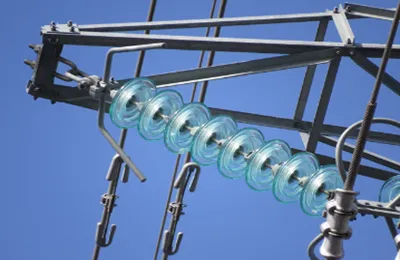
glass insulators are commonly used on high voltage power lines to provide electrical insulation and mechanical support for the conductors. they are made of tempered glass and are typically used on voltage lines up to 33 kv.
some key characteristics of glass insulators include:
-
high dielectric and mechanical strength to withstand high voltages and conductor loading
-
resistance to contamination, though they can be impacted by dust and pollutants in some environments
-
thermal stability and low thermal expansion coefficient, making them resistant to temperature variations
-
electrical resistance of around 500-1000 kv per centimeter
-
visibility of cracks or faults due to the crystalline nature of glass
composite insulators and polymer insulators have become more popular in some applications due to their lighter weight and improved performance in certain conditions. while glass insulators are still commonly used, utilities and manufacturers often recommend ceramic and polymer insulators for high voltage transmission lines. the choice depends on factors like voltage level, environmental conditions, and specific application requirements. if you are not clear which type you need, pls contact us for help - hunan nooa electric co., ltd. - your high voltage insulators supplier on power lines.
Structure and Working Principle
They consist of a glass disc, metal fittings, and a cemented interface, working by providing insulation and mechanical strength.
A typical high voltage glass insulator includes:
-
Toughened Glass Disc: Provides electrical insulation and mechanical durability
-
Metal Cap and Pin: Made from galvanized steel to ensure high tensile strength
-
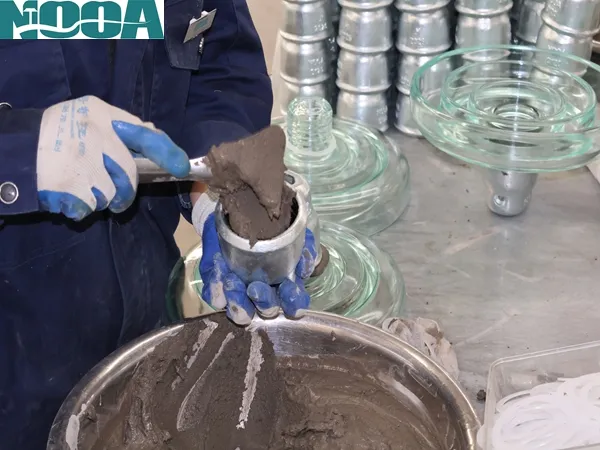
Cement Layer: Bonds the glass to metal fittings securely
-
String Assembly: Multiple units are connected in series for higher voltage levels
Working Principle:
The Nooa insulator prevents current from flowing from the conductor to the tower by offering a high-resistance path. At the same time, it supports the mechanical load of the conductor, including tension, wind, and environmental stress.
Insulator Manufacturers as we Nooa Electric use advanced tempering and quality control processes to ensure consistent performance and long service life.
Advantages of High Voltage Glass Insulators
High voltage electrical glass insulators offer superior visibility, durability, self-cleaning properties, and low maintenance costs.
Key advantages include:
-
Easy Fault Detection: Broken units shatter, making defects immediately visible
-
Self-Cleaning Surface: Smooth glass resists dust accumulation
-
High Mechanical Strength: Suitable for long-span transmission lines
-
Stable Electrical Performance: Resistant to aging and environmental degradation
-
Low Maintenance: Reduced inspection and cleaning requirements
Applications in Power Systems
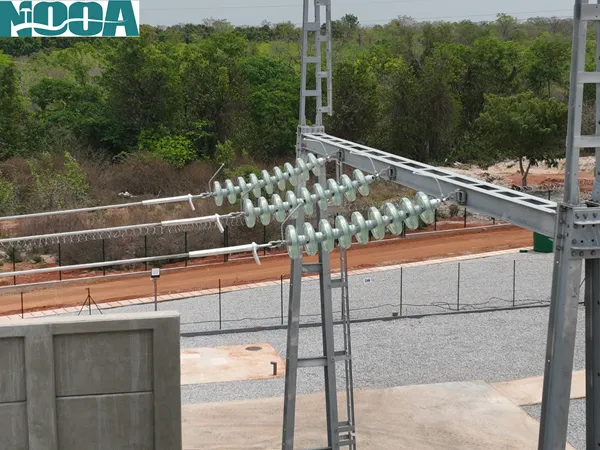
Nooa Electric high voltage insulators are widely used in transmission lines, substations, and high-voltage networks.
-
Overhead transmission lines (33 kV to UHV levels)
-
Substations and switchyards
-
Railway electrification systems
-
Renewable energy grid connections (solar and wind farms)
Selection Criteria for High Voltage Glass Insulators
Selection depends on voltage level, mechanical load, environmental conditions, and standards compliance.
When selecting glass insulators, consider:
-
Rated Voltage and Insulation Level
-
Mechanical Strength (e.g., 70kN, 120kN, 160kN)
-
Creepage Distance Requirements
-
Environmental Conditions (pollution, humidity, temperature)
-
Compliance with IEC, ANSI
FAQ
Q1: Why are glass insulators preferred over porcelain?
A: Glass insulators allow easy detection of damage and have better self-cleaning properties, reducing maintenance efforts.
Q2: What happens when a glass insulator fails?
A: It shatters, making the fault immediately visible while maintaining partial mechanical integrity.
Q3: Are glass insulators suitable for polluted environments?
A: Yes, especially anti-pollution types with extended creepage distance.
Q4: What voltage levels use glass insulators?
A: Typically from 33 kV up to ultra-high voltage (UHV) transmission systems.