Project Name and Abstract
CONSTRUCTION DE LA LIGNE D’ÉVACUATION DE LA CENTRALE PHOTOVOLTAÏQUE ET RACCORDEMENT AU POSTE 225/90KV DE FERKESSEDOUGOU
(FERKESSEDOUGOU Photovoltaic Power Plant Transmission Line and 225/90kV Substation Connection Project, Côte d'Ivoire)
The FERKESSEDOUGOU Photovoltaic Power Plant Transmission Line and 225/90kV Substation Connection Project in Côte d’Ivoire is an important renewable energy infrastructure project aimed at improving regional power transmission capacity and supporting the development of clean energy. By constructing a dedicated transmission line and connecting the photovoltaic power station to the 225/90kV substation, the project effectively solved the final transmission link for solar power delivery. With high-quality U160BS standard glass insulators and U160BLP anti-pollution insulators supplied by Nooa Electric, the project ensures reliable power transmission under complex environmental conditions. The successful completion of this project enhances electricity supply stability in the Ferkessédougou region, supports local industrial development, and contributes to the modernization of Côte d’Ivoire’s power grid and renewable energy sector.
Project Background and Strategic Importance
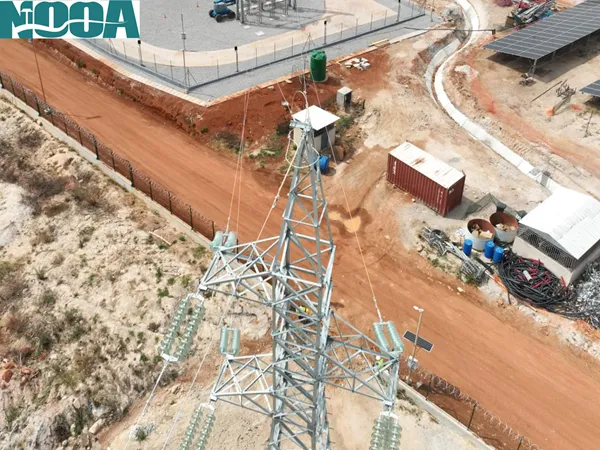
Located in theFERKESSEDOUGOU region of Côte d'Ivoire, this project represents a key initiative for upgrading local renewable energy infrastructure. The primary objective is to construct a transmission line for the photovoltaic power plant and establish an efficient connection with the225/90kV substation.
By addressing the “last-mile” challenge in photovoltaic power transmission, the project plays a vital role in improving the reliability and sustainability of electricity supply in the region. As an important component of Côte d’Ivoire’s power grid optimization strategy, the project also complements the400kV backbone network development plan in eastern Côte d’Ivoire financed by the European Investment Bank (BEI).
Together, these infrastructure developments strengthen the regional power transmission network and provide strong support for the country’s transition toward a more sustainable and diversified energy structure.
High-Standard Project Implementation
During project implementation, Nooa Electric, the glass insulator supplier, carefully considered the geographical environment and climatic characteristics of the Ferkessédougou region.
Despite challenges such as high temperatures, wind, and dust, the construction team successfully completed the installation according to strict international engineering standards. All on-site operations strictly followed IEC standards, ensuring precision and safety throughout the installation and commissioning process.
Professional engineers and technicians carried out standardized procedures for installing glass insulators and connecting hardware, guaranteeing the reliability and long-term performance of the transmission line system.
Advanced Insulator Solutions for Harsh Environments
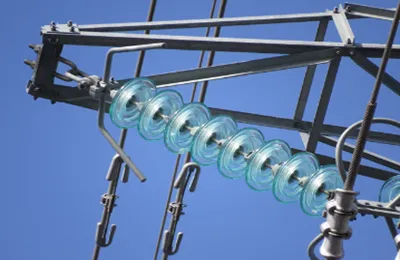
The project adopts two core types of glass insulators:
Both products are designed to meet the demanding operational requirements of high-voltage transmission lines.
The U160BS standard glass insulator provides excellent mechanical strength and electrical insulation performance, enabling it to safely withstand high-voltage transmission loads. Meanwhile, the U160BLP anti-pollution insulator is specially optimized for complex outdoor environments, effectively preventing contamination buildup and reducing maintenance requirements.
With strong resistance to high temperatures, aging, and environmental pollution, these insulators ensure stable operation even under challenging conditions such as sand, dust, and intense heat.
Reliable Product Performance and Quality Assurance
All insulators used in this project have undergone strict quality inspections and fully comply with IEC international standards.
The combination of U160BS and U160BLP insulators provides comprehensive protection for the transmission system, ensuring efficient power evacuation from the photovoltaic plant and secure connection to the substation.
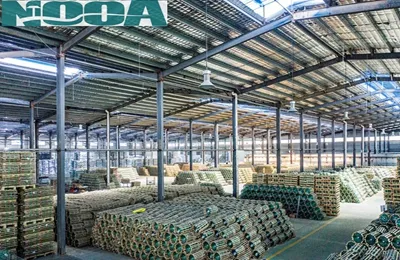
These products demonstrate the high manufacturing standards of Nooa Electric, reflecting the reliability of glass insulators produced on modern intelligent production lines. Their excellent performance provides strong technical support for the safe and stable operation of the entire power transmission project.
Successful Completion and Operational Achievements
The project has now been successfully completed and officially put into operation.
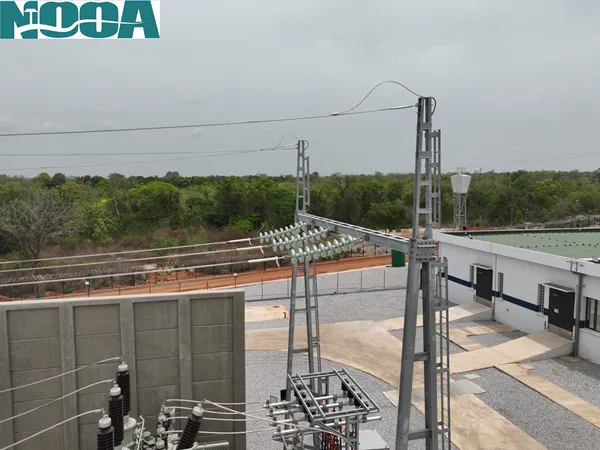
It effectively enables the efficient transmission of electricity generated by the photovoltaic power station and ensures stable integration with the 225/90kV substation. As a result, the power transmission capacity of the Ferkessédougou region has been significantly enhanced.
This development helps alleviate local electricity shortages and provides clean and stable power for residential use, industrial activities, and regional economic development.
Contribution to Regional Energy Development
The successful implementation of the project further improves the power grid layout in Côte d’Ivoire and promotes the growth of the country’s renewable energy industry.
At the same time, it supports the modernization of power infrastructure and strengthens the reliability of the national electricity network. Similar to the Côte d’Ivoire national grid development project financed by the Export-Import Bank of China, this project contributes to improving the quality of life for local communities.
In addition, it injects new momentum into the country’s socio-economic development, while laying a solid foundation for our continued expansion in the West African power market and further deepening cooperation between China and Africa in the power sector.
FAQ
1. What is the main purpose of the Ferkessédougou photovoltaic transmission project?
The project aims to build a dedicated transmission line connecting the photovoltaic power plant to the 225/90kV substation, enabling efficient transmission of solar energy and improving the reliability of the regional power grid.
2. What types of insulators are used in this project?
The project primarily uses U160BS standard glass insulators and U160BLP anti-pollution glass insulators, both of which comply with IEC international standards and are designed for high-voltage transmission lines.
3. Why are anti-pollution glass insulators important in this region?
The Ferkessédougou region can experience dust, sand, and high temperatures. Anti-pollution insulators help prevent contamination buildup on the insulator surface, ensuring stable insulation performance and reducing maintenance costs.
4. How does the project benefit local communities?
By improving electricity transmission capacity, the project provides clean, stable, and reliable power for local residents, businesses, and industries, supporting economic development and improving living standards.
5. What role does this project play in Côte d’Ivoire’s energy transition?
The project supports the integration of renewable solar energy into the national grid, helping Côte d’Ivoire diversify its energy sources, enhance grid stability, and accelerate the development of sustainable energy infrastructure.