8 Common Causes of Transmission line Insulator Faults
1. Surface Pollution and Contamination
Pollution buildup is one of the most common causes of insulator flashover.
Transmission insulators are exposed to:
Dust and sand
Industrial smoke
Salt fog in coastal regions
Bird droppings
Chemical pollutants
When moisture combines with these contaminants, the insulator surface becomes conductive, causing:
Leakage current
Dry-band arcing
Flashover
Preventive Measures
Use anti-pollution insulator designs
Increase creepage distance
Perform periodic cleaning
Apply RTV silicone coatings insulator in severe environments
Modern anti-pollution glass disc insulators from Nooa Electric are designed for improved contamination resistance.
2. Mechanical Damage and Excessive Load
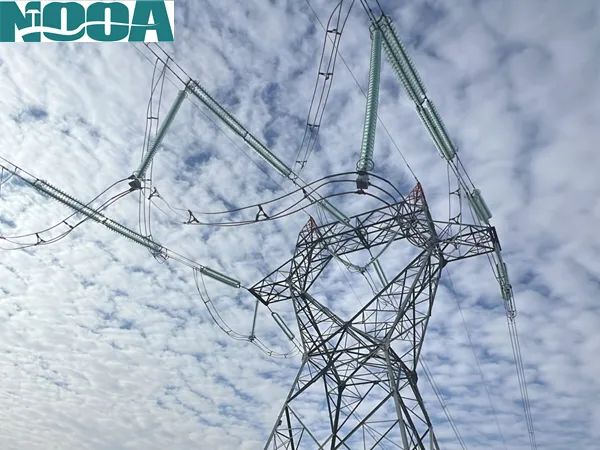
Wind, ice, vibration, and external impact can crack or break insulators.
Common causes include:
Strong wind and conductor galloping
Ice accumulation
Falling tree branches
Vandalism or gunshots
Improper installation
Mechanical damage may reduce:
Tensile strength
Electrical insulation performance
Structural reliability
Preventive Measures:
Select correct mechanical rating
Improve tower and conductor design
Conduct regular inspections
Replace damaged insulator units immediately
3. Aging and Material Degradation
Long-term environmental exposure gradually weakens insulation performance.
Over time, insulators experience:
UV radiation exposure
Temperature cycling
Humidity penetration
Chemical corrosion
These factors may lead to:
Surface cracking
Reduced dielectric strength
Cement deterioration
Corrosion of metal fittings
Preventive Measures
Use high-quality raw materials
Select corrosion-resistant fittings
Schedule condition-based maintenance
Replace aging insulator strings before failure occurs
4. Poor Manufacturing Quality
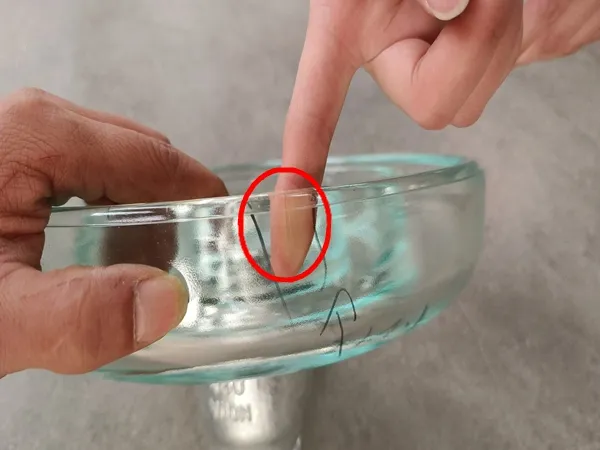
Manufacturing defects can shorten service life and increase failure risk.
Common manufacturing issues include:
Internal bubbles or impurities
Poor cement bonding
Uneven tempering in glass insulators
Low-quality galvanization
These defects may cause:
Premature puncture
Cap-pin separation
Reduced mechanical strength
Preventive Measures
Source from certified suppliers
Verify IEC/ANSI compliance
Review factory test reports
Select experienced manufacturers like Nooa Electric with strict quality control systems
5. Flashover Caused by Lightning and Overvoltage
Electrical surges can exceed insulation strength and damage insulators.
High-voltage systems may experience:
Lightning strikes
Switching surges
Temporary overvoltage conditions
These events can cause:
Surface flashover
Internal dielectric puncture
Thermal damage
Preventive Measures
Install surge arresters
Improve grounding systems
Optimize insulation coordination
Use properly rated insulator strings
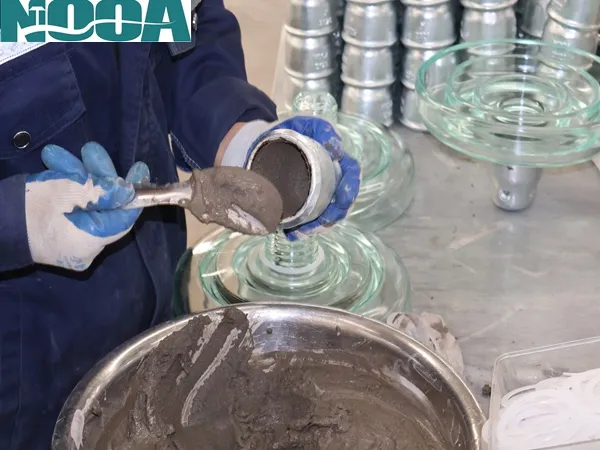
6. Cementing Failure and Cap-Pin Separation
Weak bonding between metal fittings and insulator body can cause structural failure.
Possible causes:
Improper cement curing
Thermal expansion mismatch
Poor assembly control
This may lead to:
Loose metal fittings
Reduced tensile capability
Complete mechanical failure
Preventive Measures
Use automated cementing processes
Conduct tensile and thermal shock testing
Ensure strict production quality control
7. Corrosion of Metal Hardware
Corrosion weakens fittings and increases the risk of mechanical failure.
Corrosion is especially severe in:
Coastal environments
Industrial pollution zones
High-humidity areas
Affected components include:
Cap and pin fittings
Tower hardware
Locking devices
Preventive Measures
Use hot-dip galvanized steel
Apply anti-corrosion coatings
Perform regular inspections
Replace corroded hardware promptly
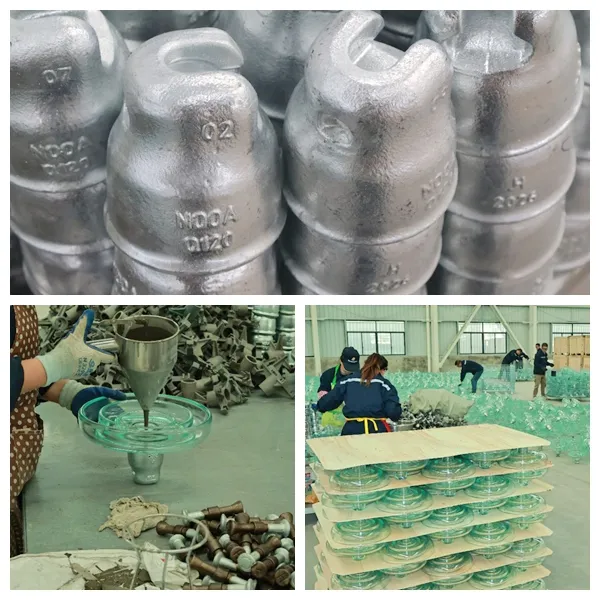
8. Improper Installation and Maintenance
Human error during installation or maintenance can create long-term reliability issues.
Typical mistakes include:
Incorrect torque application
Improper string assembly
Damaged hardware during installation
Delayed replacement of defective units
Preventive Measures
Follow standardized installation procedures
Train maintenance personnel
Implement inspection programs
Use certified installation tools
FAQ: Transmission Line Insulator Faults
Q1: What is the most common transmission line insulator fault?
A: Surface contamination leading to flashover is one of the most common problems.
Q2: Why are glass disc insulators easier to inspect?
A: Toughened glass insulators visibly shatter when damaged, making faults easier to identify.
Q3: Can lightning damage transmission insulators?
A: Yes. Lightning and switching surges can cause flashover or dielectric puncture.
Q4: How often should transmission insulators be inspected?
A: Inspection frequency depends on environmental conditions and system criticality, but annual inspections are common.
Q5: How can utilities reduce insulator failures?
A: By using high-quality insulators, improving maintenance practices, and implementing predictive monitoring systems.