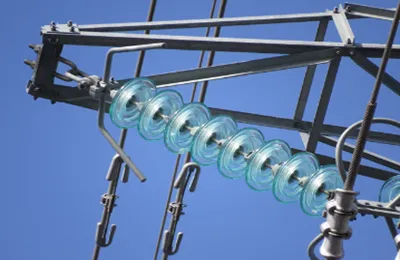
Electrical Insulators are a special type of insulation control that can play a dual role in supporting conductors and preventing current grounding in overhead transmission lines. insulators are used at the junction of wire tower and conductor, and at the junction of electrical substation frame and line.
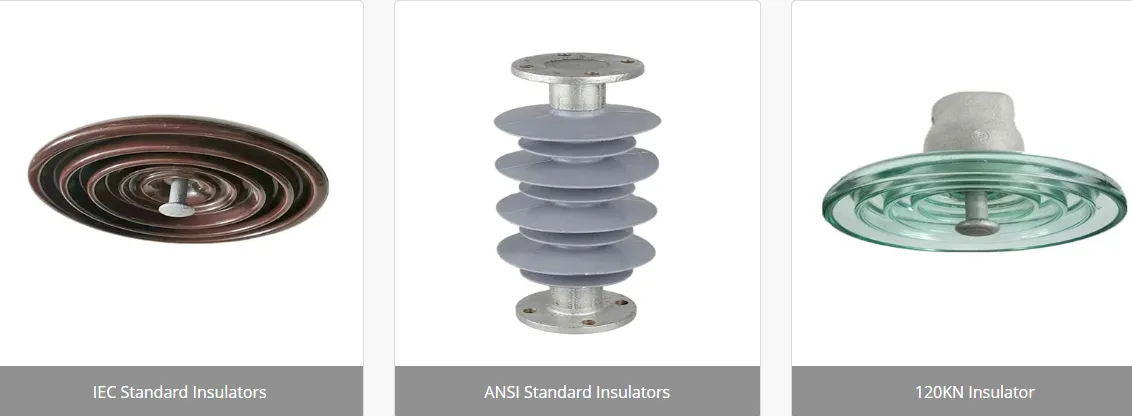
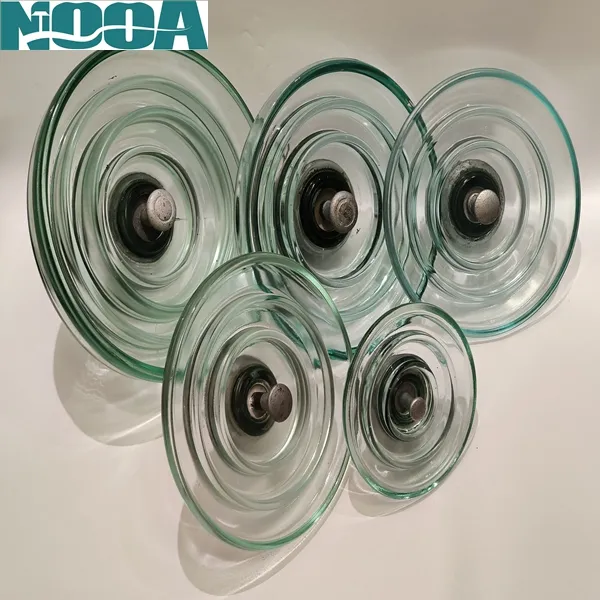
Insulators are divided into 3 types based on dielectric materials: porcelain bottle type, glass type, and composite type. the analysis of common faults and maintenance prevention measures for insulators is mainly to prevent various mechanical and electrical stresses caused by changes in environmental and electrical load conditions from causing insulator insulation failure, thereby damaging the use and operating life of power lines.
Fault analysis
Insulators are exposed to the atmosphere all year round, and are affected by factors such as lightning strikes, pollution, bird damage, ice and snow, high temperature, high cold, and altitude differences, which can lead to various accidents.
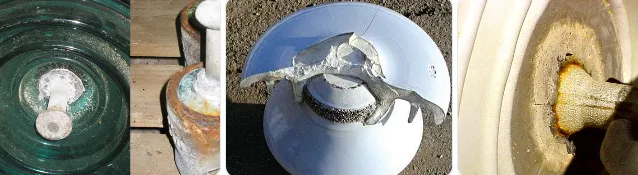
Cementing Failure
Poor cement bonding can lead to separation between metal fittings and the glass shell.
Fault Description
Failures in the cementing process may cause:
-
Loosening of the cap or pin
-
Internal cracking
-
Reduced mechanical strength
This is often linked to poor manufacturing quality or improper curing.
Preventive Measures
-
Source from reputable insulator manufacturers like Nooa Electric-with automated cementing lines
-
Ensure compliance with IEC 60383/ANSI/ISO standards
-
Require routine tensile and thermal shock test reports
-
Inspect batch traceability and quality documentation
Lightning accidents.
Overhead line channels are usually located in hilly, mountainous, open areas, and polluted industrial areas, and are highly susceptible to lightning strikes that can cause insulator breakdown or burst.
Bird damage accidents.
Research has shown that a considerable portion of insulator flashover accidents are caused by bird damage. in bird damage accidents, compared to porcelain insulators and glass insulators, composite insulators have a higher probability of flashover accidents.
Insulator flashover accidents caused by bird damage often occur on transmission lines of 110 kv and above, while insulator flashover accidents caused by bird damage are less common in urban distribution networks of 35 kv and below. the reason is that there are relatively few bird groups in the urban area, the voltage of the line itself is not high, and the air gap that can be broken through is small. insulators do not need to be installed with grading rings, and umbrella groups can effectively prevent the occurrence of bird damage flashover accidents.
Equalizing ring accident.
During the operation of insulators, the electric field distribution near the end fittings is concentrated, and the field strength in the air near the flange is relatively high. in order to improve the field strength around the end fittings, a voltage equalizing ring has been added to the 220 kv and above power grid. after installing a grading ring on the insulator string, the clearance distance of the insulator string is reduced, and its withstand voltage level is relatively reduced. however, due to the low corona voltage at the fixing bolt of the grading ring, the corona phenomenon affects the safety of the insulator string under adverse weather conditions.
Pollution accidents.
Pollution accidents refer to flashover accidents that occur during normal operation due to the accumulation of conductive pollutants on the surface of line insulators, which can significantly reduce the insulation level of insulators in humid weather.
Unknown reason.
In insulator flashover accidents, many accidents are caused by unknown reasons, such as zero values of porcelain insulators, glass insulators bursting, composite insulators tripping, etc. after the accident occurred, although the operating unit organized an inspection and search, no specific cause of the flashover was found. this type of flashover accident has many common characteristics, most of which occur from late night to early morning, especially in rainy weather. after flashover accidents occur, many can automatically reclose successfully. maintenance measures
The main reasons for insulators encountering lightning flashover are too short dry arc distance, single end configuration of grading ring, and excessive grounding resistance. during maintenance and prevention, extended composite insulators should be used, double grading rings should be installed, and the grounding resistance of the tower should be reduced.
In order to effectively prevent bird damage accidents, the operating unit should add bird isolation nets, bird protection needles, bird flight diverters and install bird protection covers on the lines of frequently occurring bird damage accidents.