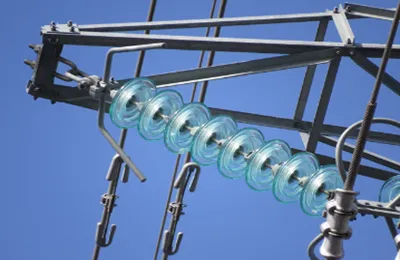
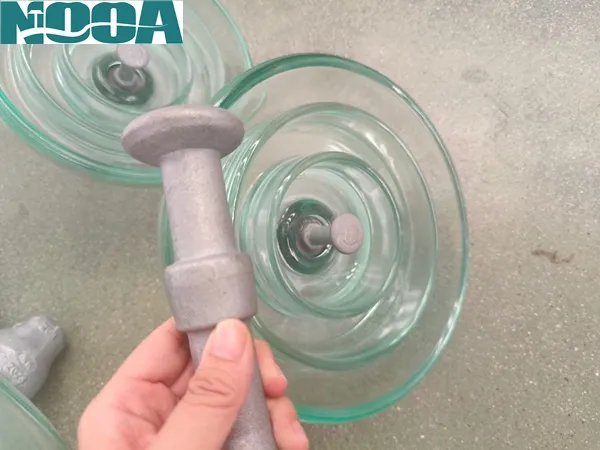
Using a zinc sleeve for glass insulator serves several important protective and performance-enhancing purposes, especially in high-voltage power transmission lines. Zinc sleeves are incorporated into the design of high-voltage glass insulators primarily to combat corrosion of the steel pin, a critical component for the insulator's mechanical strength. This sleeve acts as a sacrificial anode, protecting the steel pin from electrolytic corrosion and significantly extending the service life of the insulator, especially in harsh environmental conditions.
1. What Is a Zinc Sleeve for Glass Insulators?
A zinc sleeve is a metal tube used to connect the glass disc to its metal fittings securely.
Zinc sleeves are cylindrical metal components placed inside the glass insulator’s cap-and-pin assembly.
They act as an intermediary between the glass body and metal fittings, providing a uniform surface for cement bonding.
Typically made of high-quality galvanized zinc or zinc-coated steel, they resist corrosion and wear.
By reinforcing the mechanical connection, the zinc sleeve ensures that the insulator can withstand tension and dynamic loads without failure.
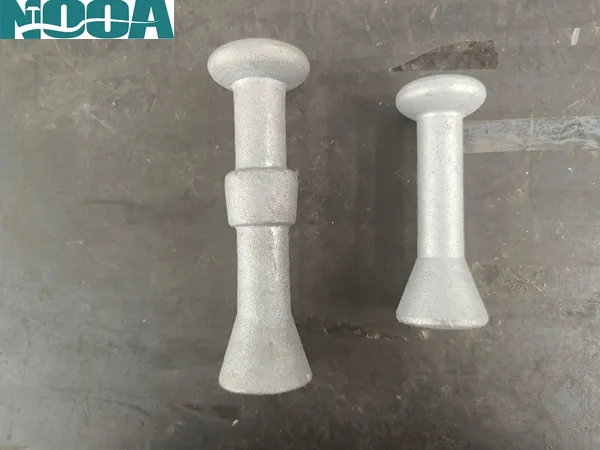
A zinc sleeve reinforces the mechanical connection between the glass disc and the metal fittings, ensuring reliable tensile strength and long-term stability under dynamic loads. By using zinc sleeves, glass insulator manufacturers like Nooa Electric improve the durability, safety, and overall performance of glass disc insulators, making them suitable for demanding power transmission environments.
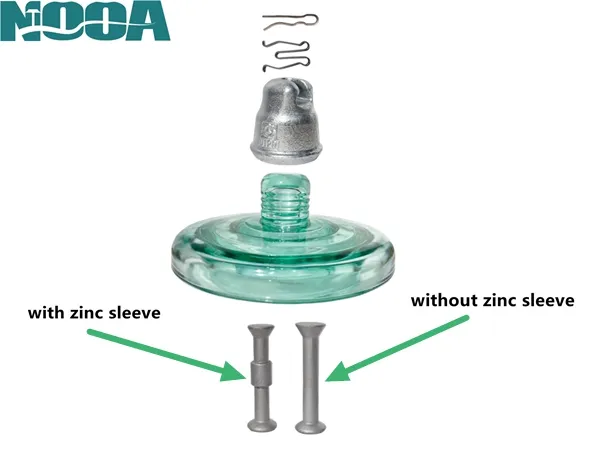
The primary function of a glass insulator is to electrically isolate a high-voltage conductor from its support structure, such as a transmission tower. The insulator assembly includes a toughened glass shell, a metal cap, and a steel pin that secures it to the structure. Over time, the steel pin is susceptible to electrolytic corrosion, a process where the metal deteriorates due to the flow of leakage currents, particularly in the presence of moisture and pollution. This corrosion can weaken the pin, compromising the mechanical integrity of the entire insulator string and potentially leading to line failure.
This is where the zinc sleeve comes into play. Zinc is a more electrochemically active metal than steel. When a zinc sleeve is bonded to the steel pin, it corrodes preferentially, or acts as a "sacrificial anode." This means that the zinc will be consumed by the corrosive elements before the steel pin is affected. This sacrificial action effectively halts the electrolytic corrosion of the steel pin, preserving its mechanical strength and ensuring the long-term reliability of the insulator.
The use of zinc sleeves is particularly recommended in areas with high levels of pollution, humidity, salt spray (coastal regions), and acid rain. These environments accelerate the rate of corrosion, making the protective function of the zinc sleeve even more critical. While insulators with zinc sleeves may have a slightly higher upfront cost, the extended lifespan and reduced maintenance requirements often result in lower life-cycle costs for the transmission line.
✅ Summary of why zinc sleeves are used:
🔧 1. Anti-Corrosion Protection (Galvanic Protection)
Zinc acts as a sacrificial anode, meaning it corrodes before the metal cap or pin of the insulator.
This protects the iron or steel hardware from rust, especially in coastal, industrial, or polluted areas where corrosion is more aggressive.
⚡ 2. Electrical Arc Protection
During flashovers or corona discharge, zinc sleeves absorb energy and reduce the risk of permanent damage to the insulator hardware.
Zinc’s ability to handle electrical stress helps in limiting erosion and burning on the pin/cap contact area.
🌧️ 3. Enhanced Performance in Polluted Environments
In polluted environments, the zinc sleeve prevents the conductive layer of contamination from causing corrosion on the hardware.
It’s especially useful in high humidity, salt fog, or acidic atmospheres.
🔩 4. Longer Service Life
By protecting the core metal components from corrosion, zinc sleeves significantly extend the lifespan of the insulator.
Reduces maintenance frequency and replacement costs.
🧪 5. Compatibility with RTV Coatings
Zinc sleeves work well in combination with RTV (Room Temperature Vulcanizing) coatings, offering dual protection—RTV reduces surface leakage currents, while zinc protects the metal from corrosion.