According to China's National Energy Administration: On July 4, 2025, China's national maximum power load reached a historic high of 1.465 billion kilowatts. This represents an increase of approximately 200 million kilowatts from the end of June and a nearly 150 million kilowatt increase compared to the same period last year.
Since the beginning of summer, the power grids in provinces such as Jiangsu, Anhui, Shandong, Henan, and Hubei have all experienced record-breaking loads. Notably, the Jiangsu provincial grid load surpassed 150 million kilowatts for the first time. Its peak load saw an increase of nearly 40 million kilowatts compared to the spring average, with approximately 90% of this increase attributed to air conditioning and cooling demands.
Currently, the national power supply remains stable and orderly overall. According to forecasts from the China Meteorological Administration, from July 4 to 10, some cities will experience sustained high temperatures, with some areas reaching or exceeding historical highs for the same period. It is anticipated that power loads in the East and Central China regions will continue to climb, driving further growth in the national power load.
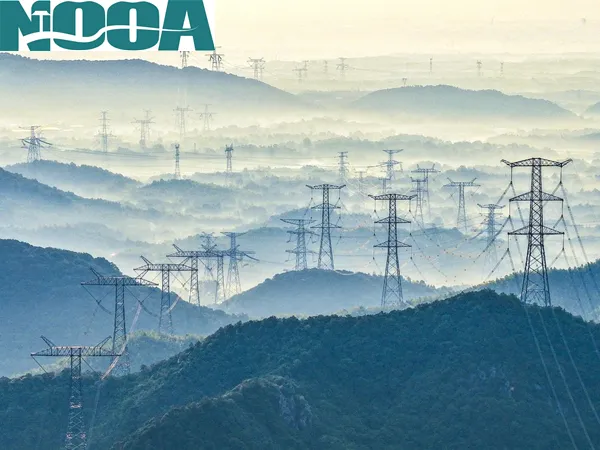
To proactively manage the high electricity demand during the summer peak, the State Grid Corporation of China is making every effort to increase and stabilize power generation. It is actively managing grid connection services and operational oversight for power generation units to ensure that all available sources are connected to the grid and operating at full, stable capacity. Furthermore, the State Grid will fully leverage the resource allocation capabilities of its ultra-high voltage (UHV) large-scale grid. This will enable the transmission of hydropower from the Southwest and wind and solar power from the Northwest to support the load centers in the Central and Eastern regions with precision. The maximum inter-regional and inter-provincial power transmission will exceed 200 million kilowatts, ensuring a reliable power supply with maximum effort.
Why Can China Guarantee Reliable Power Supply?
Equipment Maintenance and Hazard Detection: Continuous, 24/7 monitoring of equipment parameters (such as steam turbine bearing temperature and vibration), conducting special high-temperature inspections, and using infrared scanning for critical facilities (like booster stations and main transformers) ensure the stable operation of power generation units.
Supply-Demand Coordination and Resource Security: The power generation mix is holistically dispatched, coal type inventories are optimized, and emergency reserve plans are refined to guarantee a stable supply of coal for electricity. Through demand response mechanisms, a resource pool for peak shaving has been established to maximize peak generation capacity.
Grid Upgrades and Project Advancement: Key engineering projects are being advanced (such as capacity expansion of 500-kilovolt substations and UHV transmission projects) to enhance the grid's supply capability. Technologies like live-line working are employed to reduce outage times and strengthen grid resilience.
Emergency Preparedness and Risk Control: Contingency plans for extreme weather events have been formulated, adequate emergency supplies are stocked, and drills are organized to ensure rapid response. The protection of power facilities is strengthened to prevent damage from external forces.
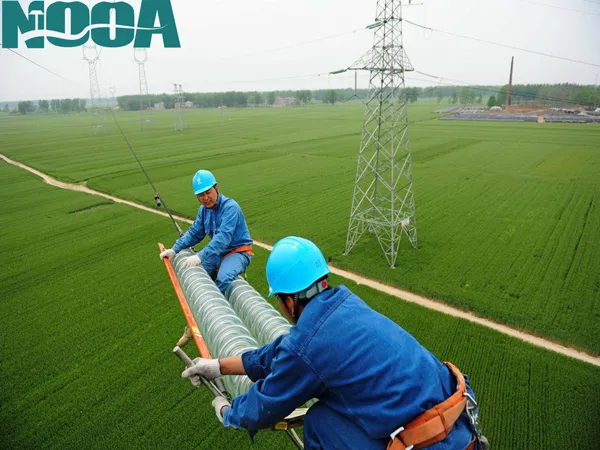
What Is the Impact of Nooa Electric on Ensuring the Reliable Operation of China's Power Supply?
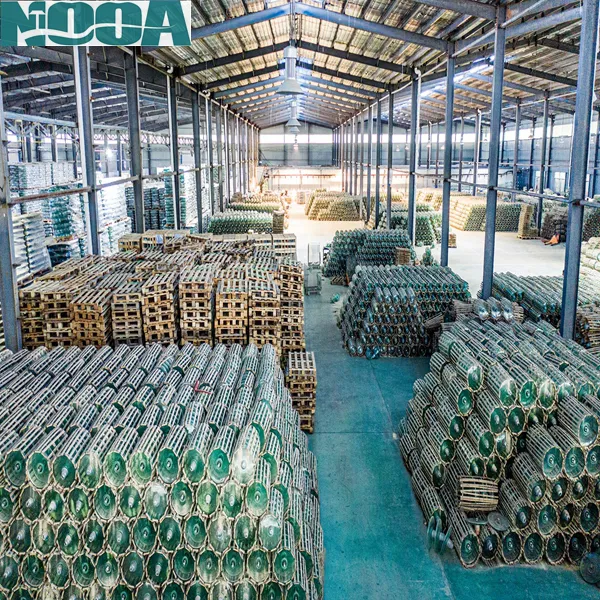
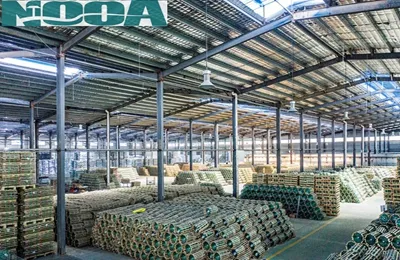
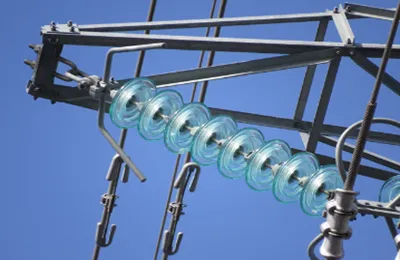
Nooa Electric Co., Ltd. is a qualified power insulators supplier to the State Grid Corporation of China and the Southern State Grid Corporation of China, the two largest grid operators in the country. This official recognition underscores the quality and reliability of our glass insulators. Nooa Electric produces a wide range of powerline insulators, including
glass insulators,
porcelain insulators, and
composite insulators, which are deployed across China's extensive network of power plants, transmission lines, and substations.
The reliability of these electrical insulators is paramount for preventing power outages. Defective or low-quality power insulators can lead to short circuits, line faults, and significant disruptions to the power supply. By providing high-quality, durable electrical insulators, Nooa Electric Co., Ltd. directly contributes to the reduction of such incidents, thereby enhancing the overall reliability of China's power grid.