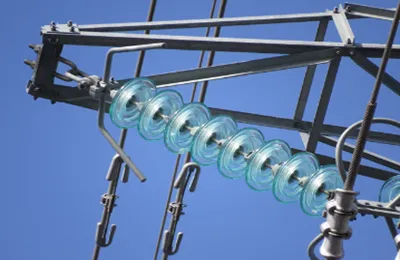
When we want to enhance the performance of glass insulators in polluted environments, both Room Temperature Vulcanizing (RTV) and Pollution Resistant Room Temperature Vulcanizing (PRTV) silicone coatings play a crucial role. While both serve the primary function of creating a water-repellent surface to prevent flashovers, PRTV represents a more advanced and robust formulation with superior performance and durability compared to standard RTV coatings.
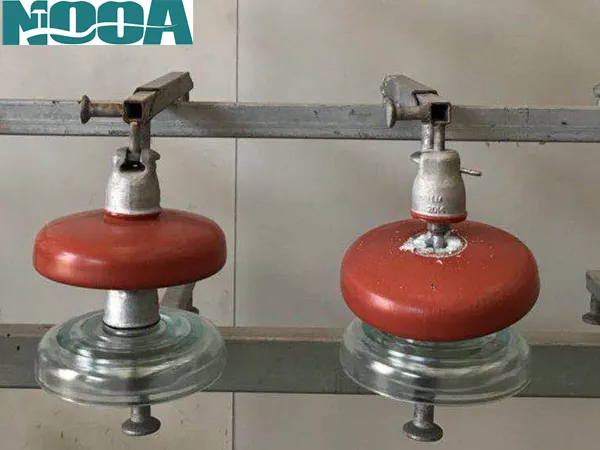
The fundamental distinction lies in the enhancements made to the silicone rubber formulation of PRTV. This results in a coating with improved characteristics across the board.
Feature
|
RTV Glass Insulator
|
PRTV Glass Insulator
|
Hydrophobicity
|
Good initial water repellency.
|
Excellent and more sustained water repellency.
|
Durability
|
Offers a significant improvement over uncoated insulators.
|
Exhibits higher resistance to weathering, UV radiation, and abrasion.
|
Adhesion
|
Good adhesion to glass surfaces.
|
Superior adhesion, reducing the likelihood of peeling or cracking over time.
|
Service Life
|
Provides a considerable service life.
|
Generally boasts a longer operational lifespan due to its enhanced formulation.
|
Cost
|
More economical option.
|
Higher initial cost due to the advanced materials and manufacturing process.
|
Material Composition and Performance:
Standard RTV coatings are made from a basic silicone polymer that, when applied to a glass insulator, cures at room temperature to form a hydrophobic layer. This layer causes water to bead up and roll off, preventing the formation of a continuous conductive film of moisture and contaminants that can lead to flashovers.
PRTV coatings, on the other hand, are a newer generation of RTV coatings with a more complex and refined chemical composition. They often incorporate additional additives and have a more tailored polymer structure. These enhancements result in:
Superior Hydrophobicity: PRTV coatings typically exhibit a higher contact angle for water droplets, meaning they are even more effective at repelling water. More importantly, they demonstrate better hydrophobicity retention over time, even in heavily polluted and high UV radiation environments.
Enhanced Durability and Adhesion: The formulation of PRTV coatings is designed for greater resilience. It offers improved resistance to environmental stressors such as acid rain, salt spray, and industrial pollutants. The adhesion of PRTV to the glass surface is also stronger, making it less susceptible to delamination, cracking, or peeling.
Longer Service Life: Due to their enhanced durability and sustained performance, PRTV-coated insulators generally have a longer effective service life compared to those with standard RTV coatings. This can lead to lower maintenance requirements and life-cycle costs, despite the higher initial investment.
Application and Cost:
The application process for both RTV and PRTV coatings is similar, typically involving spraying or brushing the liquid silicone onto the clean surface of the glass insulator.
The primary drawback of PRTV coatings is their higher upfront cost. The advanced formulation and the superior performance it delivers come at a premium compared to standard RTV coatings. However, for critical infrastructure in highly polluted areas, the extended lifespan and reduced maintenance needs of PRTV can make it a more cost-effective solution in the long run.
All in all, while both RTV and PRTV coatings significantly improve the performance of glass insulators in challenging environments, PRTV is the high-performance option, offering a greater degree of reliability and a longer-lasting solution. The choice between the two often comes down to a balance between the initial budget and the long-term performance requirements of the specific application.