< img src="https://mc.yandex.ru/watch/111260430" style="position:absolute; left:-9999px;" alt="" />
Why Can Power Line Insulators Insulate,Why Can Power Line Insulators Insulate,Nooa Electric

News Center

To Konw More Our Company News and Exhibition Topics Here.
Power line insulators,Toughened Glass Disc Insulators,transmission line insulator

Why Can Power Line Insulators Insulate

Date:2026-08-21Tags:Power line insulators,Toughened Glass Disc Insulators,transmission line insulator

Power line insulators can insulate because their insulating materials have very high electrical resistance and dielectric strength, preventing significant current from flowing between the energized conductor and the grounded tower or supporting structure. At the same time, their mechanical structure keeps the conductor physically supported while maintaining the required electrical clearance and creepage distance.


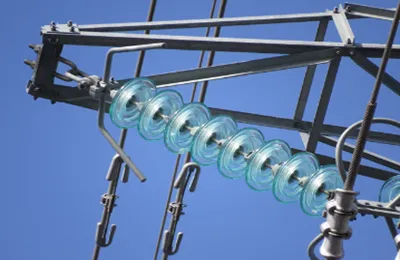
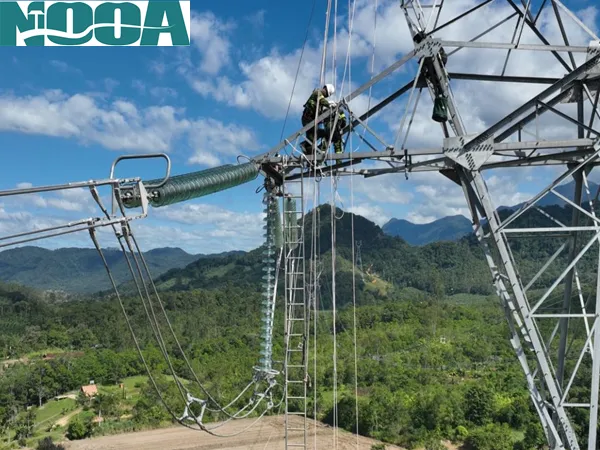
glass electrical insulators projects


For international transmission and distribution projects, however, insulation performance is not determined by material resistance alone. A reliable power line insulator must withstand operating voltage, temporary overvoltages, lightning impulses, mechanical loads, pollution, moisture, temperature changes, and environmental aging throughout its service life.


Therefore, when purchasing insulators for an EPC project or international tender, buyers should evaluate the insulating material, electrical withstand characteristics, creepage distance, arcing distance, mechanical strength, profile design, applicable standards, and test reports as an integrated system.


What Is the Basic Function of a Power Line Insulator?

A power line insulator has 2 fundamental jobs: it electrically separates the conductor from grounded structures and mechanically supports the conductor.

An overhead power transmission system needs to carry electrical energy through conductors while keeping those conductors isolated from:

  • Transmission towers
  • Poles
  • Crossarms
  • Substation structures
  • Ground wires
  • Other conductive hardware

This creates a fundamental engineering requirement:

The conductor must be mechanically connected to the supporting structure without becoming electrically connected to it.

That is the role of the insulator.


For example, in a typical transmission-line suspension arrangement:

Conductor → Insulator String → Tower

The conductor is mechanically supported by the insulator string, while the insulating body prevents current from flowing from the energized conductor to the grounded tower.


This is why an insulator is not simply a piece of non-conductive material. It is a mechanical and electrical component working simultaneously.


Why Does an Insulator Material Prevent Electric Current From Flowing?

Insulating materials contain very few freely moving charge carriers under normal operating conditions, giving them extremely high electrical resistance. Electrical current requires mobile charge carriers.


In metallic conductors such as copper or aluminum, electrons can move relatively easily through the material.

In insulating materials such as:

  • Electrical porcelain
  • Toughened glass
  • Silicone rubber
  • Other dielectric materials


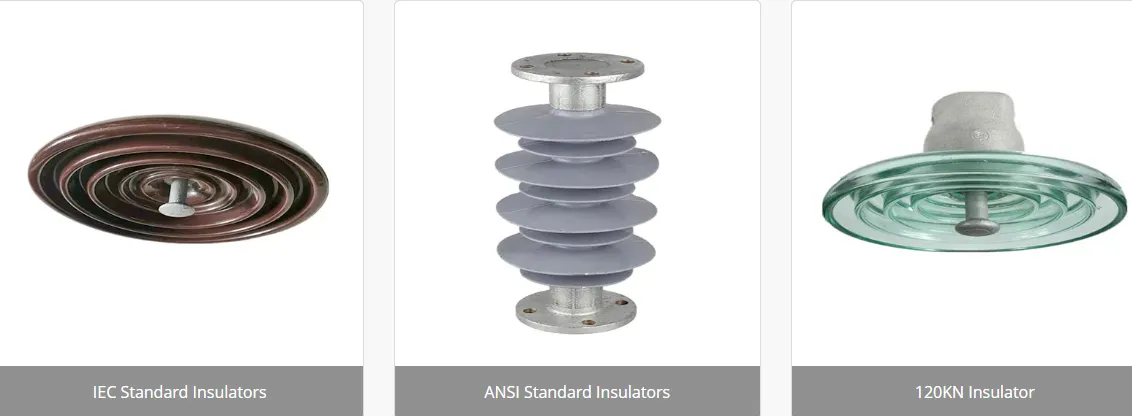
3 type electrical insulators


the electrons are much more strongly bound within the material.


As a result, under normal operating voltage, there is no easy path for a large current to travel through the bulk of the insulator. This produces a very high resistance between the 2 conductive fittings.


Conceptually:

Conductive material → many mobile charge carriers → high current flow

Insulating material → very few mobile charge carriers → extremely low current flow


This is the fundamental reason why a high voltage power line insulator can isolate an energized conductor from a grounded tower.


However, "very high resistance" does not mean infinite resistance. A real insulator can experience a small amount of leakage current. The engineering objective is to keep this current sufficiently low and prevent it from developing into a damaging electrical discharge.


What Makes Electrical Porcelain and Glass Good Insulating Materials?

Electrical porcelain and toughened glass have high resistivity, good dielectric strength, and stable properties under the environmental conditions encountered by outdoor power systems. Different insulator materials have different physical and electrical properties.

Electrical porcelain

Electrical porcelain is widely used in:

  • Suspension insulators
  • Pin insulators
  • Post insulators
  • Line-post insulators
  • Substation insulators

Its advantages include:

  • High electrical resistance
  • Good dielectric strength
  • Mechanical strength
  • Low water absorption when properly manufactured
  • Good resistance to ultraviolet radiation

Toughened glass

Toughened glass is another widely used material for suspension disc insulators.

Its relevant properties include:

  • High electrical insulation capability
  • High transparency
  • Good resistance to UV exposure
  • High mechanical strength
  • Stable outdoor performance
  • Visual identification of broken units

Composite materials

Composite insulators generally combine:

  • Fiberglass-reinforced polymer core
  • Silicone rubber housing
  • Metal end fittings

Their insulating behavior comes from the dielectric properties of the polymeric materials and the geometry of the complete insulator.


How Does Dielectric Strength Allow an Insulator to Withstand High Voltage?

Dielectric strength describes how much electric field an insulating material can withstand before electrical breakdown occurs. A power line may operate at tens, hundreds, or even hundreds of kilovolts. The insulator must prevent the applied electric field from causing a breakdown through its insulating material. Every insulating material has a limit.


If the electric field becomes sufficiently strong, electrons can gain enough energy to initiate processes that cause electrical breakdown.

This can result in:

  • Internal puncture
  • Surface flashover
  • Electrical arcing
  • Permanent insulation damage

Therefore, insulator selection must consider not only normal operating voltage but also abnormal electrical stresses.


For transmission projects, these can include:

  • Temporary overvoltages
  • Switching overvoltages
  • Lightning impulses
  • Fault conditions

This is why international tender specifications normally include electrical withstand requirements rather than simply stating the system voltage.


What Is the Difference Between Insulation Resistance and Dielectric Strength?

Insulation resistance describes how strongly an insulator resists current flow, while dielectric strength describes the electric stress the insulation can withstand before breakdown.


These 2 concepts are related but not identical.

Insulation resistance

This concerns the amount of current that flows through the insulating material under a specified voltage.

Higher resistance generally means lower leakage current.


Dielectric strength

This concerns the maximum electric field or voltage stress the material can withstand before breakdown occurs.

A material can therefore have very high resistance under normal voltage but still require appropriate thickness and geometry to withstand high electrical stress.

Why Doesn't the Electricity Simply Travel Around the Insulator?

Electricity can travel along an insulator surface under certain conditions, but the insulator is designed with sufficient creepage distance, profile geometry, and electrical clearance to prevent dangerous surface discharge.


This is one of the most important concepts for understanding outdoor insulators. The bulk of the insulator may be highly resistive. However, its surface is exposed to the environment. Over time, the surface may accumulate:

  • Dust
  • Salt
  • Industrial particles
  • Cement dust
  • Agricultural contamination
  • Smoke deposits
  • Other pollutants

When these contaminants become wet, the surface can become partially conductive. A leakage current can then flow along the surface. If electrical stress becomes sufficiently high, dry-band arcing can develop. Eventually, an arc may bridge a significant portion of the insulation and cause flashoverThis is why a power line insulator needs more than a highly resistive material. It also requires an appropriate surface geometry.


Why Are Creepage Distance and Clearance Important?

Creepage distance controls the surface leakage path, while electrical clearance provides the shortest air distance between conductive parts; both are essential to reliable outdoor insulation. These two distances are frequently confused.


Creepage distance

Creepage distance is the shortest distance measured along the insulating surface between conductive fittings.

It becomes particularly important under polluted and wet conditions.


Clearance

Electrical clearance is associated with the shortest distance through air between conductive components.

Clearance is especially important when dealing with:

  • Lightning impulses
  • Switching surges
  • Power-frequency electrical stress
  • High-altitude conditions

Therefore: Material insulation + creepage distance + clearance + geometry = complete external insulation system


For an EPC project, specifying only "minimum creepage distance" is not always enough. The engineering specification should also establish the relevant electrical clearances and withstand levels.

Why Can Power Line Insulators Work at Hundreds of Kilovolts?

High-voltage insulators use carefully engineered material properties, dimensions, surface distances, air clearances, and multiple insulation units to distribute and withstand high electrical stress.

A single small piece of insulating material cannot necessarily withstand the electrical requirements of a high-voltage transmission line. Instead, transmission systems use specially designed insulator structures. For suspension systems, multiple disc units can be connected in series:

Tower → Disc → Disc → Disc → Disc → Conductor

Adding units increases:

  • Total insulation length
  • Creepage distance
  • Electrical withstand capability

The exact number depends on the project design.

High-voltage insulation systems therefore rely on system-level design, rather than simply using a material with a high resistance value.


Why Are Power Line Insulators Designed With Sheds?

Sheds increase the effective creepage path while helping control the effects of rain, contamination, and moisture on the insulator surface.

If an insulator were simply a smooth cylindrical piece of material, its surface leakage path could be relatively short.

Sheds create a longer surface path within a compact physical length.


They can also influence:

  • Water drainage
  • Contamination accumulation
  • Surface wetting
  • Natural washing
  • Dry-band formation
  • Pollution flashover performance


Different environments may require different shed designs.

For example:

  • Standard profiles
  • Anti-pollution profiles
  • Fog-type profiles
  • Long-creepage designs

How Does Pollution Reduce Insulation Performance?

Pollution can create a conductive surface layer that increases leakage current and may eventually lead to dry-band arcing and pollution flashover. An outdoor insulator is continuously exposed to the environment. Contamination can accumulate over time. Under dry conditions, the pollution layer may not immediately cause a serious problem.


But when moisture is introduced:

Pollution + Moisture → Conductive Surface Layer


The resulting leakage current can heat portions of the surface and produce dry areas. These dry bands have much higher electrical resistance than the surrounding wet surface.

Voltage then concentrates across the dry bands. This can initiate electrical arcs.


If the arcs extend sufficiently:

Dry-band arcing → Arc extension → Surface flashover

This is why pollution severity is a major consideration when selecting high-voltage power line insulators.


Why Does Water Not Always Make an Insulator Fail?

Clean water generally has limited conductivity compared with a contaminated surface, and properly designed insulators use geometry and creepage distance to manage surface wetting. This is an important distinction. Pure or relatively clean water is a poor conductor compared with metallic materials. However, real outdoor rainwater is not perfectly pure. More importantly, an insulator surface may already contain contaminants. When moisture dissolves soluble pollutants, the resulting surface film can become much more conductive.


Why Can a Damaged Insulator Stop Insulating Properly?

Physical damage can reduce the effective insulating path, create internal defects, weaken mechanical support, or create conditions for electrical breakdown.

Different materials have different failure characteristics.

Porcelain

Cracks, punctures, internal defects, or mechanical damage can compromise insulation performance.

Toughened glass

Severe damage can cause the glass body to shatter, making the failed unit visually identifiable.

Composite insulators

Damage to the housing, core, seals, or interfaces can affect long-term insulation performance.


This is why quality control is essential.

For an international tender, purchasers should verify that the manufacturer has appropriate procedures for:

  • Raw-material inspection
  • Process inspection
  • Dimensional inspection
  • Electrical testing
  • Mechanical testing
  • Routine testing
  • Final inspection
Why Is Mechanical Strength Important for an Electrical Insulator?

A power line insulator must support mechanical loads while simultaneously providing electrical insulation, so electrical performance alone is not sufficient. Transmission-line insulators can experience substantial mechanical forces from:

  • Conductor weight
  • Conductor tension
  • Wind
  • Ice
  • Installation
  • Short-circuit conditions
  • Conductor movement
  • String hardware loads


A suspension insulator therefore performs 2 functions:

Electrical isolation

and

Mechanical load transfer

For example, a porcelain or glass disc insulator may have a specified mechanical failing load such as:

  • 40 kN
  • 70 kN
  • 100 kN
  • 120 kN
  • 160 kN
  • 210 kN
  • 240 kN
  • Higher ratings for special applications


Why Do Power Line Insulators Need to Withstand Lightning?

Lightning can produce voltage impulses far above the normal operating voltage, so the external insulation system must be designed to withstand specified impulse stresses. A transmission line may operate continuously at a defined voltage, but lightning introduces a very different electrical condition.


A lightning impulse has:

  • Very high voltage
  • Very short duration
  • Rapid voltage rise

The insulation system must therefore have adequate impulse withstand capability.

This is why technical specifications for high-voltage insulators may include:

  • Lightning impulse withstand voltage
  • Power-frequency withstand voltage
  • Switching impulse withstand requirements for applicable voltage classes

For EPC projects, these parameters should be coordinated with the project's overall insulation-coordination study.


Why Are Insulators Tested Before They Are Delivered?

Testing verifies that the manufactured insulator meets the required electrical, mechanical, dimensional, and material-performance requirements before it is installed in the power system. A transmission project may require thousands of individual insulator units.


A failure in service can cause:

  • Line outages
  • Maintenance costs
  • Safety risks
  • Replacement costs
  • Project delays

Therefore, quality assurance is essential. Depending on the applicable standard, testing may include:

Electrical tests

  • Power-frequency withstand
  • Impulse withstand
  • Puncture-related tests where applicable

Mechanical tests

  • Mechanical failing load
  • Mechanical load verification
  • Thermal-mechanical tests where specified

Material and dimensional inspections

  • Porcelain inspection
  • Glass inspection
  • Metal fitting inspection
  • Dimensional verification
  • Glazing inspection
  • Galvanizing inspection

Routine tests

Routine tests are conducted during production to identify defective units before shipment.

For international procurement, buyers should distinguish between:

Type tests — demonstrate that a design meets specified requirements.

Routine tests — verify the quality of individual manufactured units or production batches as required.


Why Is the Insulator Shape as Important as the Insulating Material?

The material determines much of the bulk insulation capability, while the physical design determines how effectively the insulator manages electrical stress, surface leakage, contamination, and environmental exposure. Consider 2 insulators made from the same material.


They can still have different performance because of differences in:

  • Diameter
  • Shed geometry
  • Creepage distance
  • Spacing
  • Profile
  • Fitting arrangement
  • Overall length

Therefore, an insulator should be treated as an engineered electrical component, not simply a block of insulating material.


What Happens If a Power Line Insulator Fails?

An insulator failure can cause electrical flashover, conductor-to-ground faults, mechanical loss of support, or service interruption, depending on the failure mode.

Possible failure mechanisms include:

  • Electrical puncture
  • Surface flashover
  • Pollution flashover
  • Mechanical breakage
  • Cracking
  • Fitting failure
  • Cement-interface failure
  • Severe environmental degradation

The consequences can include:

  • Transmission-line outage
  • Equipment damage
  • Maintenance intervention
  • Replacement of insulator strings
  • Safety hazards
  • Reduced network reliability

This explains why insulator procurement should be treated as a reliability-critical purchasing decision, rather than a simple hardware purchase.

Frequently Asked Questions About Power Line Insulators

1. Why can power line insulators insulate electricity?

Power line insulators use materials with very high electrical resistance and dielectric strength, which greatly restrict current flow between energized conductors and grounded structures.


2. What materials are used to make power line insulators?

Common materials include electrical porcelain, toughened glass, and composite polymer materials such as silicone rubber combined with fiberglass-reinforced cores.


3. Can an insulator completely stop electrical current?

No real insulating material has infinite resistance. A very small leakage current may exist, but the insulator is designed to keep it within acceptable limits.


4. Why does a high-voltage insulator need creepage distance?

Creepage distance provides a longer surface path for leakage current and helps reduce the risk of surface flashover, particularly when pollution and moisture are present.


5. What is the difference between creepage distance and clearance?

Creepage distance follows the insulating surface, while clearance refers to the shortest relevant distance through air between conductive parts.


6. Why do transmission lines use multiple insulator discs?

Multiple discs can be connected in series to provide the required overall insulation length, creepage distance, mechanical strength, and electrical withstand capability for higher-voltage applications.


7. Why can pollution make an insulator conductive?

Pollutants deposited on the surface can dissolve or become conductive when wet, creating a leakage-current path along the insulator surface.


8. Can glass and porcelain both be used for high-voltage transmission lines?

Yes. Both toughened glass and electrical porcelain are established materials for transmission-line insulation, provided that the selected product meets the project's electrical, mechanical, environmental, and standard requirements.


We use cookies and other tracking technologies to improve your browsing experience on our website, to show you personalized content and targeted ads, to analyze our website traffic, and to understand where our visitors are coming from.