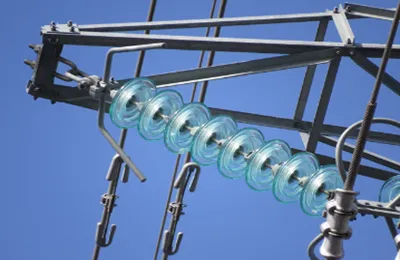
Impact Test for Toughened Glass Insulators
The impact test for glass insulators is a mechanical performance test used to verify whether the insulating glass part of a toughened glass insulator can withstand a specified sudden impact without fracture. For transmission-line applications, this test provides additional assurance that glass suspension insulators can maintain structural integrity during transportation, installation and service conditions.
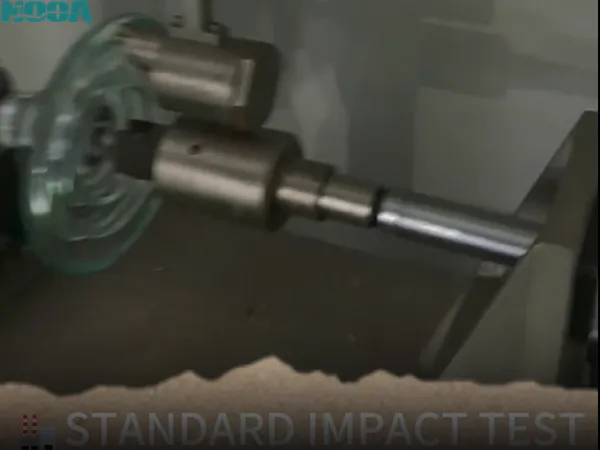
According to the referenced standards ANSI C29.2A:2013, ANSI C29.2B:2013 and CAN/CSA-C411.1-10, the standard impact test applies an impact load of 5.0 N·m (45 in-lb). The acceptance requirement is that the insulating glass part shall not fracture after the specified impact load is applied.
Unlike tensile tests that measure the ability of an insulator to withstand continuous pulling force, the impact test focuses on the ability of the glass insulating part to resist a short-duration external force.
During actual transmission-line projects, insulators may experience unexpected mechanical impacts caused by:
-
Transportation and handling operations
-
Installation tools
-
Construction activities
-
External objects
-
Site environment conditions
For this reason, impact resistance is an important quality consideration for toughened glass suspension insulators used in high-voltage transmission lines.
For international EPC contractors, utilities and transmission-line equipment purchasers, understanding glass insulator impact test requirements is important when evaluating supplier capability, product reliability and compliance with project specifications.
Why Is Impact Resistance Important for Transmission Line Glass Insulators?
Impact resistance helps ensure that the glass insulating part can withstand accidental mechanical shocks during project execution and operation.
For large-scale transmission projects, glass insulators are transported from the manufacturing facility to remote installation locations. During this process, products may experience:
-
Long-distance transportation
-
Loading and unloading
-
Storage at project sites
-
Tower assembly operations
-
Installation activities
Especially for international projects, such as 500kV and UHV transmission lines, equipment may pass through multiple logistics stages before reaching the final tower location.
A qualified glass insulator manufacturer as Nooa Electric must therefore consider not only electrical insulation performance but also mechanical durability.
Impact testing provides EPC contractors with additional confidence that the supplied insulators have passed a controlled mechanical impact evaluation before being installed in critical power infrastructure.
What Is the Standard Impact Test Requirement for Glass Insulators?
The standard impact requirement is a 5.0 N·m (45 in-lb) impact load, and the insulating glass part must remain unbroken after testing.
For Nooa Electric’s standard impact test:
Test Load:
5.0 N·m (45 in-lb)
Evaluation Requirement:
The insulating glass part shall not fracture.
Referenced standards include:
ANSI C29.2A:2013
ANSI C29.2B:2013
CAN/CSA-C411.1-10
ANSI/NEMA C29.2A-2013 lists the mechanical impact strength requirement as 45 inch-pounds (5.0 N·m) for applicable insulator classes.
The test value is not a random factory inspection parameter. It is defined according to recognized industry standards and forms part of the evaluation system for suspension-type insulators.
How Is the Glass Insulator Impact Test Performed?
The impact test applies a controlled impact force to an assembled insulator and checks whether the toughened glass insulating part remains intact. A typical impact test process includes the following steps:
1. Test Sample Preparation
The glass suspension insulator sample is installed in the impact testing equipment according to the specified testing method.
The sample represents the actual assembled product supplied for transmission-line applications.
2. Applying the Impact Load
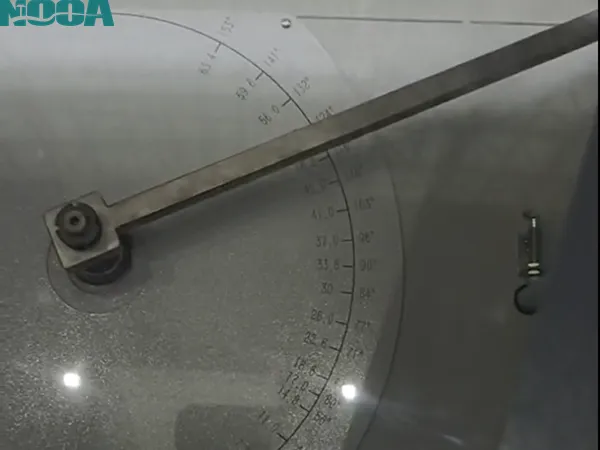
A pendulum-type impact device applies the specified impact energy:
5.0 N·m (45 in-lb)
The impact value is controlled and verified through the test equipment scale.
ANSI C29.2A-2013 specifies the use of an impact testing machine for this test method.
3. Visual Inspection After Impact
After the impact is completed, the insulating glass part is inspected.
The acceptance result:
Glass insulating part: No fracture
means that no cracking or breakage occurs in the glass shell under the specified impact condition.
What Does “Glass Insulating Part No Fracture” Mean?
It means the toughened glass shell remains intact after the specified impact energy is applied.
A glass suspension insulator consists of multiple components:
-
Toughened glass shell
-
Steel cap
-
Steel pin
-
Cementing material
-
Locking accessories
The impact test mainly evaluates the condition of the insulating glass part.
The result does not mean that every component is tested under unlimited impact conditions.
Different components have different performance evaluations:
Component
|
Typical Evaluation
|
Glass shell
|
Impact resistance, thermal shock performance
|
Steel cap and pin
|
Mechanical strength, tensile performance
|
Cement joint
|
Assembly reliability
|
Complete insulator
|
Overall mechanical and electrical performance
|
What Is the Difference Between Glass Insulator Impact Test and Tensile Test?
The impact test evaluates resistance to sudden mechanical shock, while the tensile test evaluates resistance to continuous pulling force.
Both tests are important but verify different characteristics.
Test
|
Purpose
|
Impact Test
|
Evaluate resistance against sudden impact energy
|
Tensile Test
|
Verify mechanical breaking strength
|
Thermal Shock Test
|
Evaluate resistance to rapid temperature changes
|
Routine Test
|
Confirm production quality
|
For high-voltage transmission projects, a reliable glass insulator supplier should have a complete testing system covering different performance requirements.
Frequently Asked Questions (FAQ)
1. What is the purpose of the glass insulator impact test?
The purpose is to verify whether the insulating glass part can withstand a specified impact load without fracture.
2. What is the impact load used in the standard glass insulator impact test?
The standard impact load is 5.0 N·m (45 in-lb).
3. Which standards are used for glass insulator impact testing?
The test references:
-
ANSI C29.2A:2013
-
ANSI C29.2B:2013
-
CAN/CSA-C411.1-10
4. Does the impact test evaluate only the glass part?
The test is performed on the assembled insulator, but the acceptance requirement focuses on whether the insulating glass part fractures.
5. Is the impact test the same as mechanical tensile testing?
No. Impact testing evaluates sudden impact resistance, while tensile testing evaluates mechanical pulling strength.
6. Why are toughened glass insulators tested for impact resistance?
Because transmission-line insulators may experience mechanical shocks during transportation, installation and operation.
7. Are toughened glass insulators suitable for 500kV transmission lines?
Yes. Toughened glass suspension insulators are widely used in high-voltage and extra-high-voltage transmission applications.
8. What other tests are performed on glass insulators?
Common tests include tensile tests, thermal shock tests, temperature cycling tests, electrical tests and routine inspections.