±800 kV UHV DC transmission project with a 2-ton-class tethered balloon
The successful trial operation of China’s first 2-ton-class tethered balloon in the Tibet section of the Zangdongnan–Guangdong ±800 kV UHV DC transmission project highlights an important trend in modern power infrastructure: high-altitude transmission construction is increasingly relying on specialized, low-impact transportation and installation technologies to overcome difficult terrain.
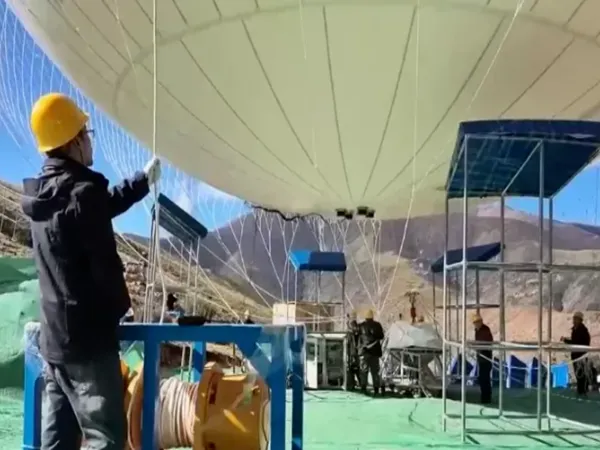
On September 21, 2026, a tethered balloon approximately 25 meters in diameter and 8,000 cubic meters in volume was used to transport heavy transmission tower materials in a mountainous area above 4,000 meters in elevation. Unlike conventional road construction or cableway systems, the equipment uses ground-controlled tethering cables to move loads through the air.
For EPC contractors, transmission utilities, and equipment suppliers, the development is significant beyond the transportation technology itself. As UHV transmission projects increasingly extend into high-altitude, mountainous and environmentally sensitive areas, material transportation, component handling and installation logistics are becoming important considerations alongside electrical and mechanical performance.
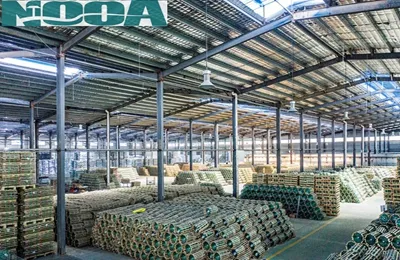
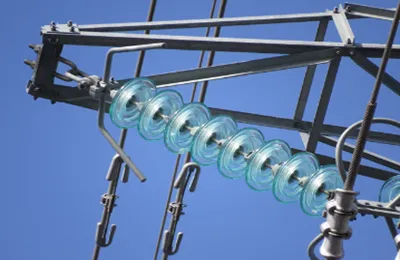
This includes essential transmission-line components such as glass insulators, insulator strings, tower fittings, conductors and OPGW.
Why Is Material Transportation Difficult in High-Altitude Transmission Projects?
High-altitude transmission projects combine difficult terrain, limited road access, strong winds, low air density and environmental constraints, making conventional transportation methods more complicated and costly.
The Tibet section of the Zangdongnan–Guangdong UHV DC project illustrates the challenge clearly. The project crosses the Qinghai-Tibet Plateau, with the highest sections reaching approximately 5,300 meters above sea level. Public reports state that nearly 90% of the route is mountainous and around 30% passes through high mountain ranges.
The trial section in Tibet is located above 4,000 meters, with many tower sites positioned on steep ridges that cannot be reached by conventional roads. For a transmission-line project, however, reaching a tower site is only one part of the challenge. Construction teams may need to transport:
1.Transmission tower steel members
2.Glass disc insulators
3.Insulator strings
4.Conductor and OPGW accessories
5.Hardware fittings
6.Grounding materials
7.Construction tools and lifting equipment
In easily accessible areas, trucks and conventional lifting equipment can handle much of this work. In remote mountainous regions, the logistics chain becomes considerably more complicated.
A temporary access road may require significant construction work. Cableways can be effective but require suitable anchor points and supporting infrastructure. Drones offer flexibility but have limitations when large loads must be transported continuously. This is why alternative transportation technologies are attracting increasing attention in high-altitude power transmission construction.
How Does a 2-Ton Tethered Balloon Work?
A tethered balloon uses buoyancy to support heavy loads while a ground-based tethering system controls its altitude and horizontal movement. The newly tested system uses a large helium-filled balloon connected to ground control equipment through multiple tethering cables. By adjusting the cables, operators can control the balloon's position and move suspended materials toward designated construction locations.
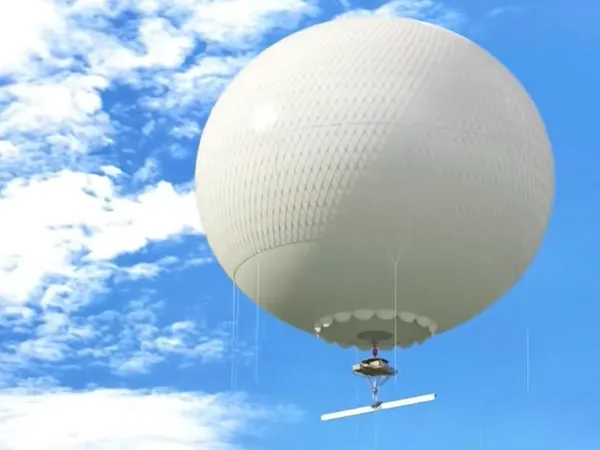
According to public reports, the tested system has a maximum payload of approximately 2 tons. It is designed to operate in high-altitude mountainous environments and can transport materials without requiring a conventional road connection to every tower site. The technology is particularly interesting because it combines several engineering disciplines:
1.Aerodynamic design
2.Structural engineering
3.Intelligent control
4.Tethering technology
5.Load-handling systems
6.High-altitude operation
The development team also addressed stability and positioning challenges caused by strong winds and thin air. Reports describe a multi-cable control system and automated material gripping and release technology intended to improve transportation precision and operational safety. In other words, the balloon is not simply a large lifting device. It is a controlled aerial transportation platform designed for a specific class of difficult construction environments.
What Does This Mean for UHV Transmission Line Construction?
The technology provides another option for transporting heavy materials to remote tower sites while potentially reducing dependence on temporary roads and cableway infrastructure.
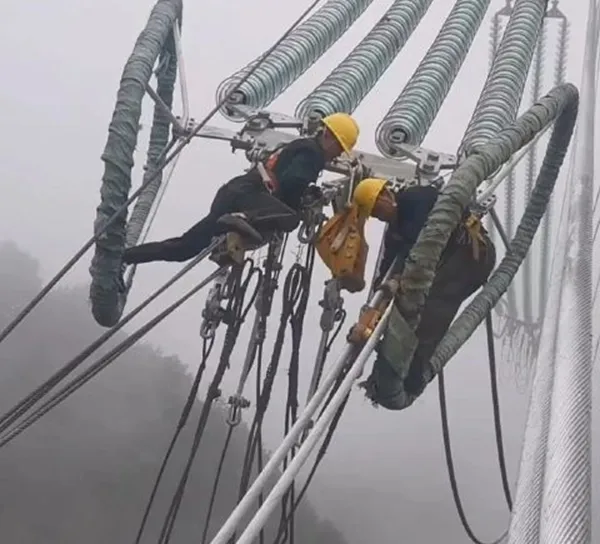
Traditional logistics remain essential for most transmission projects. However, extremely difficult terrain can make conventional approaches less practical.
The advantages of a tethered balloon can be particularly relevant in locations where:
1. Road construction is difficult
Building temporary access roads in steep mountainous terrain can require significant time, equipment and earthwork.
Aerial transportation can bypass some of these terrain constraints.
2. Cableway installation is difficult
Cableways require suitable anchor locations and supporting structures. In areas with complicated topography, installation and relocation can become challenging.
A tethered balloon can potentially be deployed with greater flexibility.
3. Large loads exceed typical drone capabilities
Small and medium-sized drones are already used in some power-grid inspection and construction applications.
However, the payload requirements for tower construction can be substantially higher. The 2-ton-class tethered balloon represents a different transportation category focused on heavier loads and longer-duration operation.
4. Environmental disturbance needs to be minimized
High-altitude transmission projects can pass through ecologically sensitive areas.
Reducing the need for extensive temporary infrastructure may help limit ground disturbance in suitable project conditions.
For EPC contractors, therefore, the important question is not whether one transportation technology will replace all others.
Instead, the future may involve multiple transportation methods selected according to terrain, payload, distance, weather and construction requirements.
How Are Glass Insulators Involved in High-Altitude Transmission Construction?
Glass insulators are critical components of overhead transmission lines, and their transportation, handling and installation must also be considered when projects are built in remote mountainous environments.
When discussing difficult transmission-line construction, tower steel often receives the most attention because of its weight. But a complete transmission line consists of many components that must eventually reach the tower location and be correctly assembled. These include glass disc suspension insulators and insulator strings.
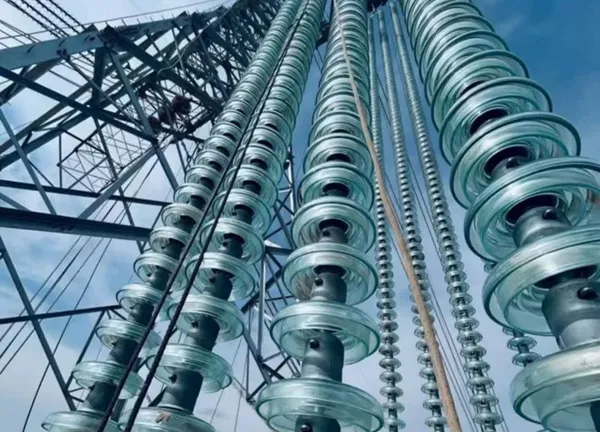
A typical transmission project may require thousands of individual insulator units depending on the voltage level, route length, tower configuration and string arrangement.
For high-voltage and UHV projects, glass insulators are used to:
-
Electrically isolate conductors from towers
-
Support mechanical loads
-
Maintain required insulation distances
-
Withstand environmental stresses
-
Form suspension or tension insulator strings
In mountainous construction environments, therefore, the logistics chain does not end when tower materials arrive. The project must also move electrical components to the tower location, assemble the required insulator strings and install them safely. This makes equipment logistics and installation planning increasingly important for high-altitude transmission projects.
What Should EPC Contractors Consider When Transporting Glass Insulators to Remote Sites?
Packaging, mechanical protection, handling procedures, string configuration and site accessibility should all be considered when planning glass-insulator transportation.
Unlike steel tower members, glass insulators require careful handling to prevent damage during transportation and installation. For procurement teams and EPC contractors, several factors deserve attention.
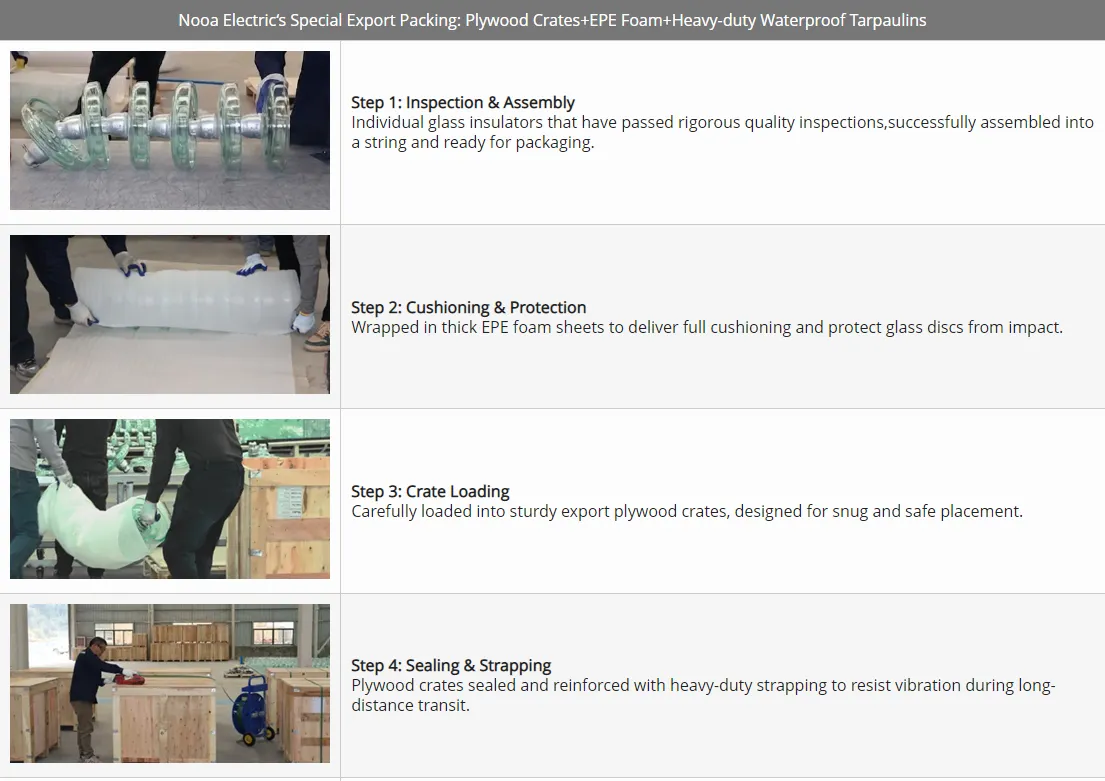
1.Packaging and Protection
Glass insulator units should be properly packaged and secured for transportation. Although toughened glass has high mechanical strength, improper handling, impact or unsuitable lifting methods can still create risks.
2.Mechanical Loading
The transportation method should be compatible with the weight and dimensions of the insulator units, strings and associated hardware.
3.Site Conditions
High-altitude sites may involve:
-
Strong winds
-
Low temperatures
-
Steep slopes
-
Limited working space
-
Difficult access
-
Large elevation differences
These conditions can influence how materials are delivered from the nearest accessible logistics point to the actual tower location.
4.Installation Sequence
For large transmission projects, the transportation plan should be coordinated with the installation sequence. Delivering tower components, insulators and line hardware at the right time can help reduce unnecessary storage and repeated handling at remote locations.
Frequently Asked Questions
1. What is a tethered balloon for power transmission construction?
A tethered balloon is a buoyant aerial transportation system connected to ground-based control equipment through cables. The cables are used to control the balloon's altitude and horizontal movement while transporting materials.
2. Why are high-altitude transmission projects difficult to build?
High-altitude projects can involve steep terrain, limited road access, strong winds, low air density, difficult logistics and environmental constraints.
3. Can glass insulators be used in high-altitude transmission projects?
Yes. Glass suspension insulators can be used in high-voltage and UHV transmission systems when the selected design meets the project's electrical, mechanical and environmental requirements.
4. Why is transportation important when purchasing glass insulators?
Remote projects may involve difficult access and multiple handling stages. Proper packaging, transportation and handling can help protect glass insulators before installation.
5. What should EPC contractors consider when selecting glass insulators?
Key considerations include mechanical load, electrical characteristics, creepage distance, insulation level, environmental conditions, applicable standards, testing requirements and string configuration.
6. Why are toughened glass insulators suitable for transmission lines?
Toughened glass provides high mechanical strength and is widely used in suspension insulator applications. Its performance still depends on proper design, manufacturing quality, testing and application conditions.