glass electrical insulators are essential components in electrical systems that serve a crucial role in ensuring the safe and efficient transmission of electrical power. these insulators are designed to prevent the flow of electric current between conductive materials, such as wires or poles, and the surrounding environment. in this passage, we will delve into the world of glass electrical insulators, exploring their composition, types, functions, and significance in modern electrical infrastructur.
composition and manufacturing:
glass electrical insulators are primarily composed of high-quality glass materials. the glass used in these insulators is specially formulated to possess unique electrical and mechanical properties. it is typically made from a combination of silica, soda ash, and various other additives that enhance its electrical insulating characteristics. the precise composition may vary depending on the specific requirements of the insulator.
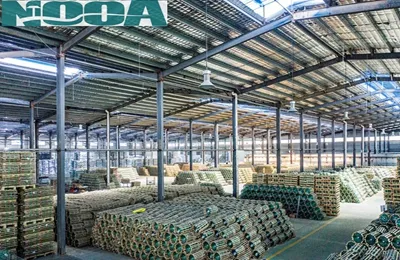
the manufacturing process of glass insulators involves melting the raw materials at extremely high temperatures, forming them into the desired shape, and then cooling them rapidly to create a solid and robust structure. the shape and design of the insulator are critical factors that determine its electrical performance.
types of glass electrical insulators:
there are several types of glass electrical insulators, each designed for specific applications based on voltage levels, environmental conditions, and structural requirements. the main types include:
pin insulators: these are the most common type of glass insulators and are used to support overhead power lines on utility poles. they have a cylindrical or egg-shaped design with a threaded metal pin at the top for attachment to the pole. pin insulators are suitable for lower voltage transmission lines.
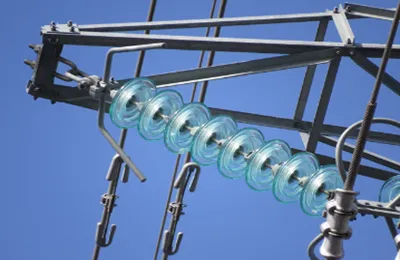
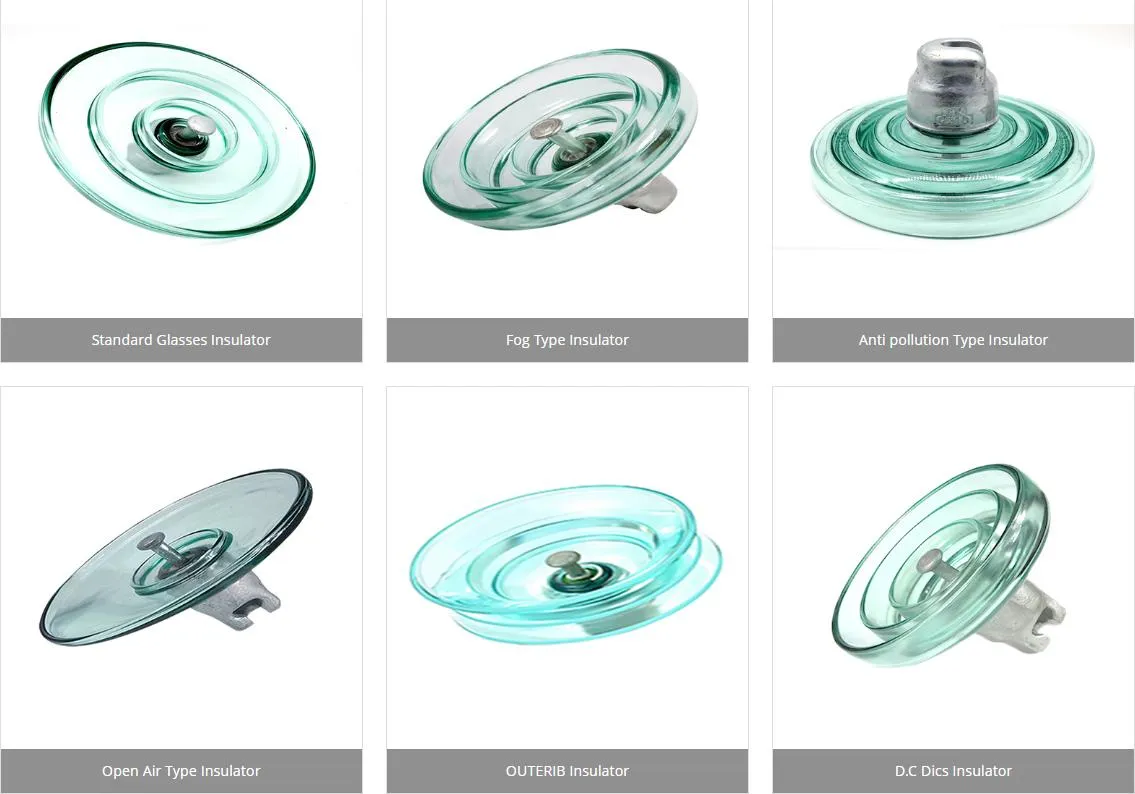
suspension insulators: suspension insulators are used in high-voltage transmission lines. they consist of several glass discs stacked vertically and held together by a metal or composite core. these insulators are designed to withstand heavy mechanical loads and provide reliable insulation for the conductors.
post insulators: post insulators are used in substations and other electrical equipment. they have a cylindrical or square shape and are designed to be mounted vertically or horizontally on support structures. post insulators provide insulation for busbars, switches, and other high-voltage components.
shackle insulators: shackle insulators are small, u-shaped glass insulators used in applications where conductors need to be connected to equipment or structures. they are often used in low-voltage distribution systems.
functions of glass electrical insulators:
the primary function of glass electrical insulators is to prevent electrical current from flowing through unintended paths. they achieve this through several key mechanisms:
electrical insulation: glass insulators have high dielectric strength, which means they can withstand high voltages without conducting electricity. this property is crucial in maintaining the integrity of electrical circuits and preventing short circuits.
mechanical support: insulators also serve as mechanical supports for electrical conductors. they hold the conductors in place and prevent them from coming into contact with supporting structures, which could cause damage or electrical faults.
environmental protection: glass insulators are designed to withstand various environmental factors, including temperature fluctuations, humidity, pollution, and uv radiation. they provide long-term protection to the conductors and maintain their insulation properties even in harsh conditions.
significance in modern electrical infrastructure:
the role of glass electrical insulators in modern electrical infrastructure cannot be overstated. they play a crucial role in ensuring the reliability and safety of electrical power transmission and distribution systems. here are some key aspects of their significance:
safety: glass insulators prevent electrical shocks and fires by maintaining a barrier between live conductors and the surrounding environment. this is particularly important in areas where people or animals may come into contact with power lines.
reliability: the use of high-quality glass insulators helps maintain the integrity of electrical circuits, reducing the risk of interruptions or outages. this is vital for industries, businesses, and households that rely on a consistent supply of electricity.
longevity: glass insulators are known for their durability and longevity. when properly maintained, they can last for decades, providing cost-effective insulation solutions over the long term.
environmental considerations: glass insulators are environmentally friendly as they do not contain hazardous materials and can be recycled at the end of their service life.
in conclusion, glass electrical insulators are indispensable components of electrical systems, serving as both electrical insulators and mechanical supports. their unique properties and diverse types make them suitable for a wide range of applications in the transmission and distribution of electrical power. ensuring the quality and reliability of glass insulators is essential for the safety and efficiency of modern electrical infrastructure.