What Is a Station Post Insulator?
a station post insulator is a type of insulator used in high-voltage electrical substations to support and insulate electrical conductors from the ground and other structures. it is an essential component in the transmission and distribution of electrical power.
the main purpose of a station post insulator is to provide insulation and support for the conductors, preventing electrical current from flowing to the ground and maintaining the integrity of the electrical system. these insulators are typically made of porcelain or polymer materials with high dielectric strength to withstand the high voltages present in substations.
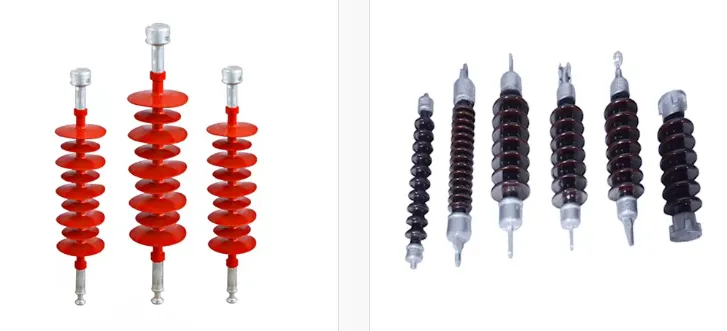
station post insulators are called "station post" because they are often used to support conductors on vertical or inclined posts within a substation. the design and specifications of station post insulators depend on factors such as the voltage level of the electrical system, environmental conditions, and specific requirements of the substation.
station post insulators play a crucial role in ensuring the reliable and safe operation of high-voltage electrical substations by providing insulation and support for conductors, thereby preventing electrical leakage and maintaining the overall integrity of the power transmission and distribution system.
How Does a Station Post Insulator Work?
It prevents electrical current from flowing to ground while supporting the weight and operating forces of electrical equipment.
In a substation, energized conductors carry electricity at medium, high, or extra-high voltages.
Without proper insulation:
Leakage currents may occur.
Equipment failures can develop.
Flashovers can cause outages.
Personnel safety could be compromised.
A station post insulator creates a high-resistance insulating path between energized equipment and grounded support structures.
At the same time, it withstands:
Equipment weight
Wind loads
Short-circuit forces
Switching operations
Seismic forces
This combination of electrical and mechanical performance makes station post insulators indispensable in substation design.
Types of Station Post Insulators
Station post insulators are available in porcelain, composite, and specialized high-strength configurations.
1.Porcelain Station Post Insulators
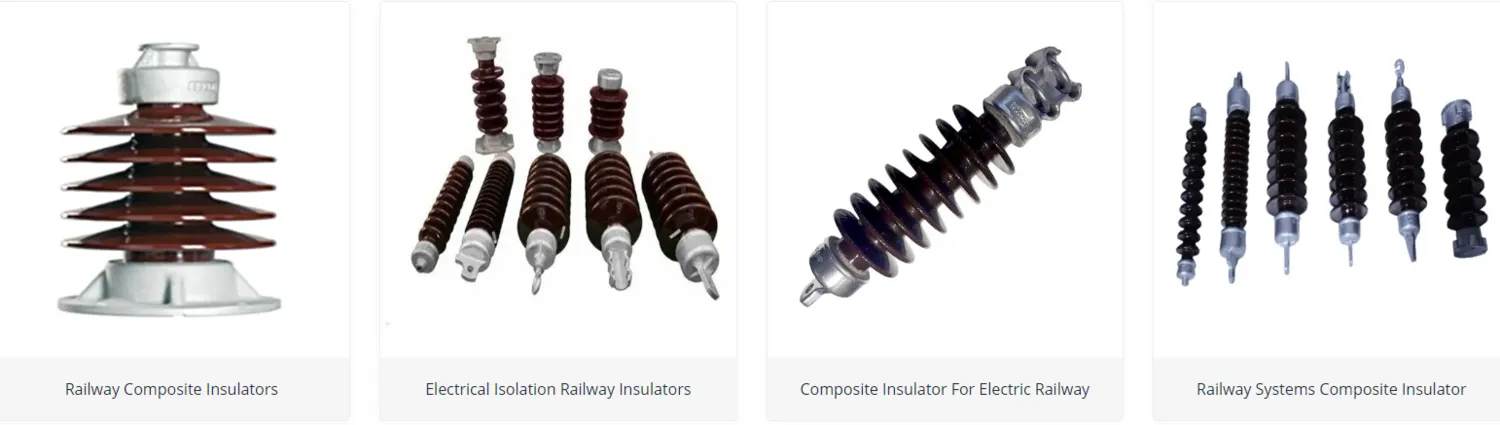
Porcelain remains widely used due to its:
Proven reliability
Excellent insulation performance
Long operational history
Applications include:
Utility substations
High-voltage switchyards
Industrial power systems
Composite Station Post Insulators
2.Composite station post insulators utilize:
Fiberglass core rods
Silicone rubber housings
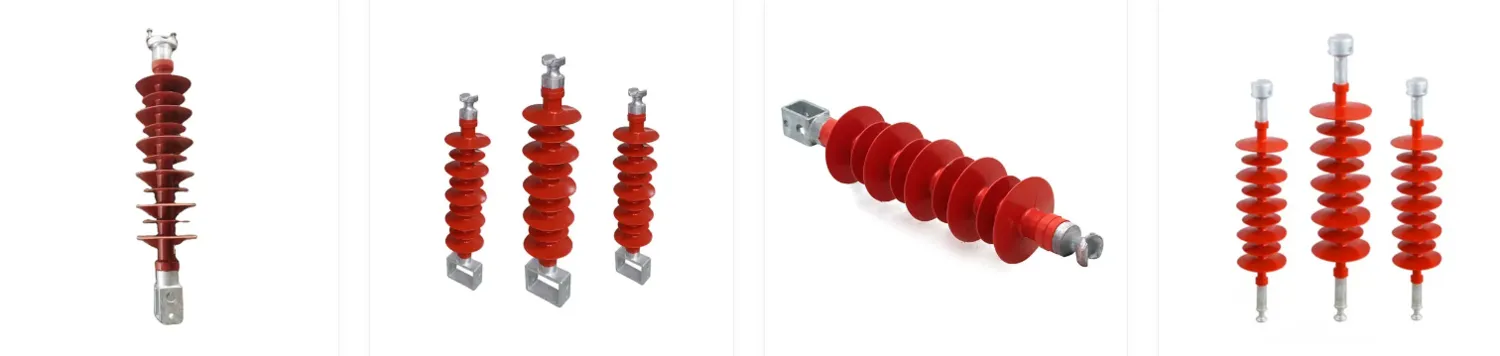
Advantages include:
Lightweight construction
Superior pollution performance
Reduced transportation costs
High impact resistance
These products are increasingly specified in modern transmission projects.
3.High-Strength Station Posts
Designed for:
High cantilever loads
Extra-high-voltage substations
Severe environmental conditions
They are commonly used in critical utility infrastructure projects.
Common Voltage Ratings of Station Post Insulators
Station post insulators are manufactured for a wide range of voltage classes from distribution to extra-high-voltage applications.
Typical voltage ratings include:
System Voltage: Typical Application
11kV : Distribution substations
33kV : Utility distribution
66kV : Regional transmission
110kV : Transmission substations
132kV : Grid infrastructure
220kV : High-voltage switchyards
400kV : Extra-high-voltage substations
765kV : Ultra-high-voltage systems
The required insulation level determines the overall height and creepage distance of the insulator.
Station Post Insulator vs Suspension Insulator
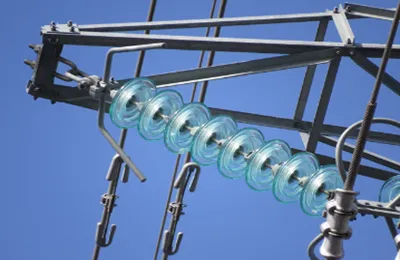
Station post insulators provide rigid support, while suspension insulators are designed to hang conductors from transmission towers.
Feature
|
Station Post Insulator
|
Suspension Insulator
|
Installation
|
Rigid mounted
|
Hanging string
|
Main Use
|
Substations
|
Transmission lines
|
Mechanical Function
|
Supports equipment
|
Supports conductors
|
Structure
|
Single rigid unit
|
Multiple disc units
|
Space Requirement
|
Compact
|
Requires hanging clearance
|
Both play critical roles in power transmission systems but serve different applications.
Applications of Station Post Insulators
Station post insulators are widely used wherever electrical equipment requires rigid support and insulation.
Typical applications include:
1.Busbar Support
Supporting energized bus conductors throughout substations.
2.Disconnect Switches
Providing insulation and structural support for isolators.
3.Circuit Breakers
Maintaining electrical clearance and mechanical stability.
4.Surge Arresters
Supporting overvoltage protection devices.
5.Renewable Energy Projects
Used in:
Solar substations
Wind farm switchyards
Battery energy storage systems
6.Industrial Power Systems
Including:
Mining operations
Manufacturing facilities
Petrochemical plants
FAQ About Station Post Insulators
1. What is the purpose of a station post insulator?
To provide electrical insulation and mechanical support for substation equipment.
2. Where are station post insulators used?
In substations, switchyards, renewable energy facilities, and industrial power systems.
3. What materials are used in station post insulators?
Porcelain, composite silicone rubber, and occasionally glass-based designs.
4. How is a station post insulator different from a suspension insulator?
Station post insulators provide rigid support, while suspension insulators hang conductors from towers.
5. What voltage levels can station post insulators handle?
They are available from distribution voltages up to extra-high-voltage systems exceeding 765kV.
6. What is cantilever strength?
It is the insulator's ability to withstand bending forces applied at its top.
7. What standards apply to station post insulators?
IEC 60273 and IEC 62231 are among the most commonly referenced standards.