Types of High Tension Insulators
High tension insulators are crucial components in the electrical power transmission system, designed to support and insulate conductors at high voltages. Here’s an overview of the main types of insulators used for high tension applications:
1. Suspension Insulators
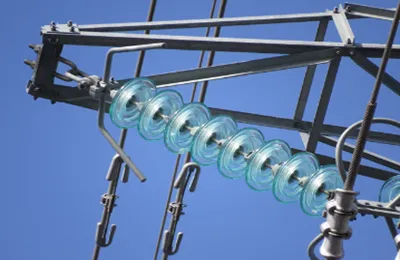
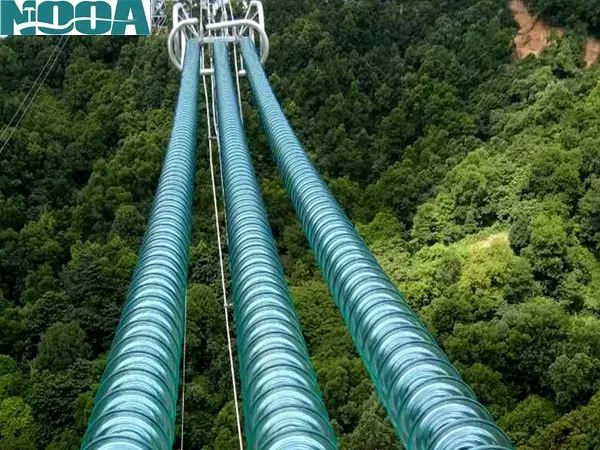
Description:Suspension insulators are the most widely used option in high voltage transmission lines. These insulators are primarily used for medium to high-voltage transmission lines. They consist of several porcelain discs connected in series by metal links.
Function: They support the conductors and insulate them from supporting structures, effectively increasing the overall flashover voltage when arranged in series.
Voltage Range: Typically used for voltages from 33 kV to several hundred kV.
Features:
Modular disc design
Multiple units connected into strings
Suitable for voltages above 33kV
Easy replacement of damaged units
Applications:
Long-distance transmission lines
Utility grid projects
EPC transmission packages
Glass disc suspension insulators are frequently selected because damaged units are easily identified visually.
2. Strain Insulators
Description: Also known as tension insulators, they are designed to absorb the tension in conductors, particularly in areas where lines change direction or at dead ends.
Construction: Made up of porcelain discs connected by metal links, they provide both insulation and mechanical strength.
Application: Commonly used in medium to high-voltage transmission lines.
3. Post Insulators
Description: These consist of a single solid piece of porcelain or glass mounted on a metal base.
Advantages: They have excellent mechanical strength and high flashover voltage capability.
Usage: Widely utilized in substations and for applications requiring insulation from supporting structures, suitable for voltages from 11 kV to several hundred kV.
Advantages include:
Compact design
High mechanical strength
Strong cantilever performance
Applications include:
Busbar support systems
Switchgear
Substations
Compact transmission systems
4. Long Rod Insulators
Description: Designed to withstand both mechanical and electrical stresses, these consist of a long porcelain rod providing a continuous current path from the conductor to the tower.
Benefits: They offer superior mechanical strength and pollution performance, making them ideal for extra-high voltage (EHV) and ultra-high voltage (UHV) applications.
5. Composite Insulators
Description: Also known as polymer or rubber insulators, they are lighter and smaller than traditional glass or porcelain insulators.
Advantages: They resist dust accumulation and have higher mechanical strength, making them suitable for extreme weather conditions.
Limitations: However, they may deteriorate under excessive heat due to overcurrent or faults.
6. Glass Insulators
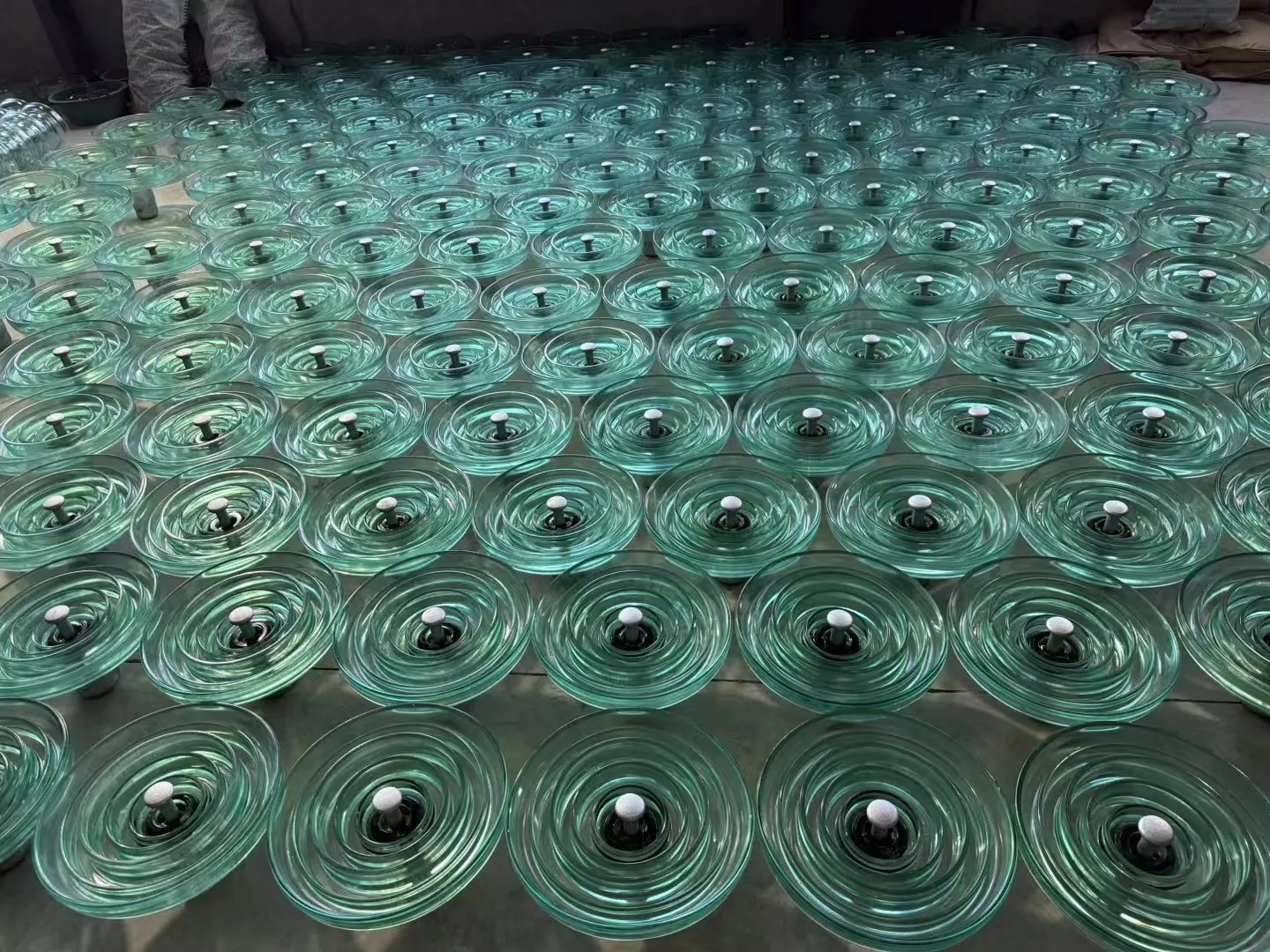
Description: Made from high-quality tempered glass, these insulators can endure significant mechanical and thermal stresses while withstanding high electrical tension.
Features: They often include additional coatings to enhance hydrophobic properties, improving performance in contaminated environments.
High tension insulators play a vital role in ensuring safe and efficient power transmission. The choice of insulator depends on various factors including voltage level, environmental conditions, and mechanical requirements. Common materials used include porcelain, glass, and composite polymers, each offering unique advantages suited to different applications in the power grid.
Materials Used in High Tension Insulators
Glass, porcelain, and composite materials dominate modern transmission systems.
1.Toughened Glass Insulators
Benefits:
High dielectric strength
Self-shattering characteristic reveals internal defects
Strong resistance to aging
Excellent transparency for inspection
Glass disc insulators remain highly popular in international utility projects due to low maintenance requirements and long service life.
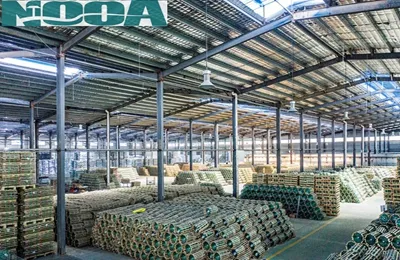
Nooa Electric manufactures high voltage toughened glass insulators for transmission projects requiring reliable mechanical and electrical performance.
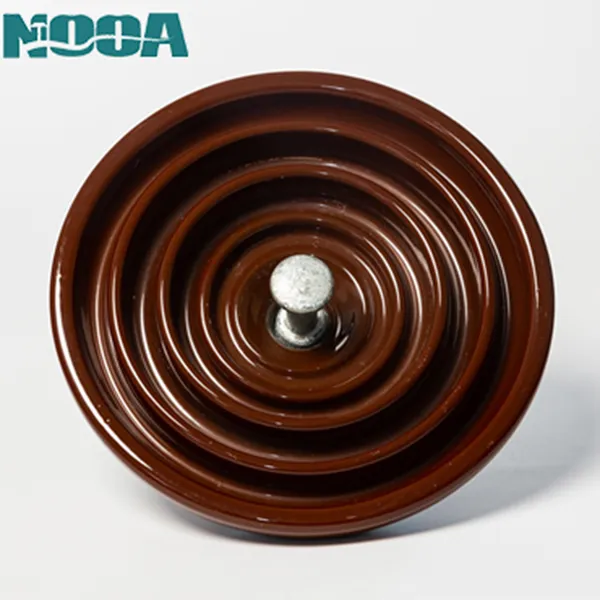
2.Porcelain Insulators
Advantages:
Mature manufacturing process
Stable performance
Strong chemical resistance
Limitations:
Higher weight
Potential hidden internal defects
3.Composite Insulators
Advantages:
Lightweight
High pollution resistance
Flexible design
Limitations:
Different aging characteristics compared with glass and porcelain
FAQ About High Tension Insulators
1.What are insulators for high tension used for?
High tension insulators electrically isolate conductors from grounded structures while supporting mechanical loads in transmission systems.
2.Which type of insulator is most commonly used in transmission lines?
Suspension insulators are the most widely used because they can be assembled into strings for various voltage levels.
3.Why are glass disc insulators popular for utility projects?
Glass disc insulators allow easy visual detection of damage and provide excellent long-term electrical performance.
4.How do EPC contractors choose transmission line insulators?
They typically evaluate voltage requirements, mechanical strength, environmental conditions, compliance standards, and supplier capability.
5.Which insulator material performs best in polluted environments?
Composite insulators often show strong performance in heavily polluted areas because of their hydrophobic characteristics.
6.What standards are important for international tenders?
IEC and ANSI standards are commonly required in utility and EPC project specifications.