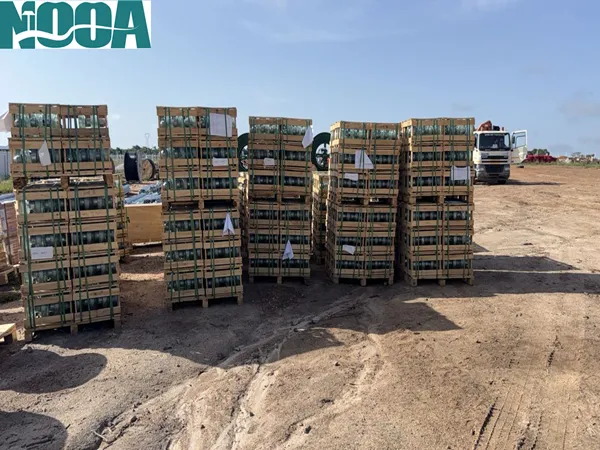
Specialized packing is essential to protect the fragile glass insulators from mechanical shock, vibration, and environmental damage during transportation, ensuring they arrive intact and ready for reliable installation.
The necessity of specialized packaging for electrical glass disc insulators, pin-type insulators, and other related components cannot be overstated. Glass, while possessing excellent electrical and mechanical properties, is susceptible to chipping, cracking, and shattering when subjected to impact or excessive vibration. Proper delivery packing solutions must account for the insulator's weight, dimensions, and the often long and challenging logistics chain. Utilizing robust materials and proven cushioning techniques is the only way to safeguard the structural integrity of the insulators manufactured by companies like Nooa Electric and prevent costly replacements and project delays.
The most common packing types are wooden crates/boxes for maximum protection, corrugated cardboard cartons for lighter or individually boxed units, and steel/metal banding for securing palletized shipments.The industry employs several standardized and specialized methods for shipping glass insulators. The choice of packing depends on the volume, type (e.g., standard suspension, specialized fog-type), and destination of the shipment.
1. Wooden Crates and Boxes
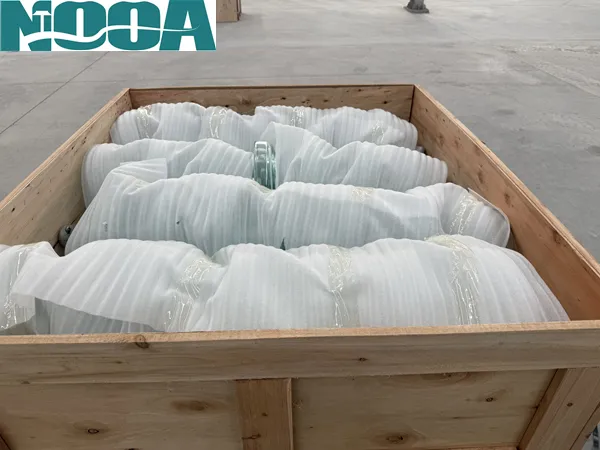
Description: These are the most robust packing types, typically constructed from treated pine or hardwood plywood. They offer superior protection against external physical forces and are ideal for international shipping and transporting large quantities or heavy, high-voltage toughened glass insulators.
Best Practice: Insulators are often individually wrapped (e.g., in poly foam or bubble wrap) and then tightly packed within the crate, with dunnage material (such as specialized foam inserts or wood shavings) filling any voids to prevent movement. Nooa Electric frequently utilizes these crates for high-volume, critical orders to guarantee damage-free transit.
Key Advantage: Maximum mechanical protection and stackability.
2. Corrugated Cardboard Cartons
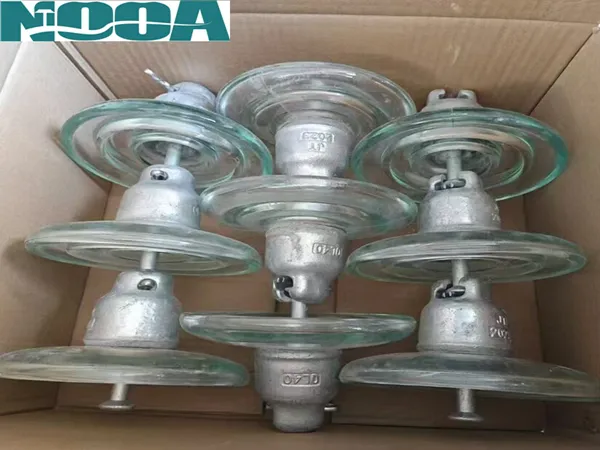
Description: Heavy-duty, double or triple-wall corrugated fiberboard boxes are commonly used for packaging individual pin insulators or for grouping a small number of suspension units.
Best Practice: Each insulator is usually placed in a smaller, dedicated cardboard partition or surrounded by custom-molded polystyrene foam inserts (EPS) to isolate it from its neighbors and the carton walls. These cartons are then often stacked onto pallets and shrink-wrapped for unit stability.
Key Advantage: Lightweight, cost-effective for smaller units, and easier to handle.
3. Palletization and Banding
Description: Palletizing involves securing multiple crates or cartons onto a standardized wooden or plastic pallet. Steel or heavy-duty polypropylene banding and thick stretch film (shrink-wrap) are used to create a single, cohesive, and stable shipping unit.
Best Practice: Proper load distribution is vital. Anti-slip mats or sheets are placed between layers of boxes/crates. The use of banding and wrapping prevents shifting, tipping, and lateral movement during handling by forklifts and transport vehicles, significantly reducing the risk of a pallet load collapse and subsequent insulator breakage.
Cushioning materials (like foam and bubble wrap) absorb shock, moisture-control agents (desiccants) prevent corrosion on metal fittings, and protective coatings safeguard the insulator surfaces.
Beyond the primary external containers, several other materials are crucial to a successful delivery packing system for fragile items like glass insulators.
Cushioning/Wrapping Materials: Polyethylene foam sheets, bubble wrap, and custom-molded foam endcaps are used to provide the primary layer of shock absorption around the delicate glass skirt and metallic fittings of the insulator unit.
Moisture Control: Electrical insulators must be kept dry. Small bags of desiccant (like silica gel) are often placed inside the packaging to absorb any moisture, preventing potential corrosion of the galvanised metal caps and pins before installation.
Markings and Labeling: Clear, universally understood handling instructions and fragile markings, including "Handle With Care," "This Side Up," and "Center of Gravity" indicators, are prominently displayed on all shipping boxes and crates to alert handlers to the sensitive nature of the cargo.
Why can't glass insulators be shipped loose?
Shipping them loose would lead to constant contact, chipping, and catastrophic breakage due to vibration and impact during transit. Individual isolation and cushioning are mandatory for safe glass insulator delivery.
What is the purpose of wooden packing crates?
Wooden crates offer the highest level of mechanical protection against crushing and puncture, making them essential for heavy loads, long-distance, and rough-handling logistics scenarios.
How does Nooa Electric ensure quality arrival?
Nooa Electric uses multi-layer packing protocols, including individual foam wrapping, reinforced internal supports, and documented quality checks for packaging integrity before dispatch to ensure the safe shipping of electrical components.
Is the packing material recyclable?
Many materials, such as the wooden crates, cardboard, and sometimes the stretch film, are recyclable, aligning with sustainable and environmentally responsible packaging practices.