1. What Is the Metal Fitting in a Glass Disc Insulator?
Metal fittings (cap and pin) are critical components that enable mechanical connection and load-bearing in transmission lines.
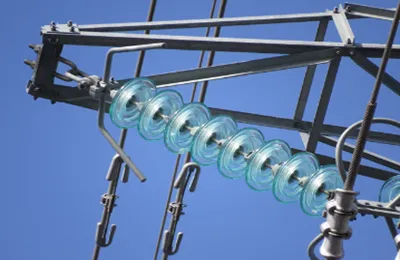
A glass disc insulator typically consists of three main parts:
-
Toughened glass dielectric body
-
Metal cap (usually malleable cast iron or forged steel)
-
Metal pin (galvanized steel)
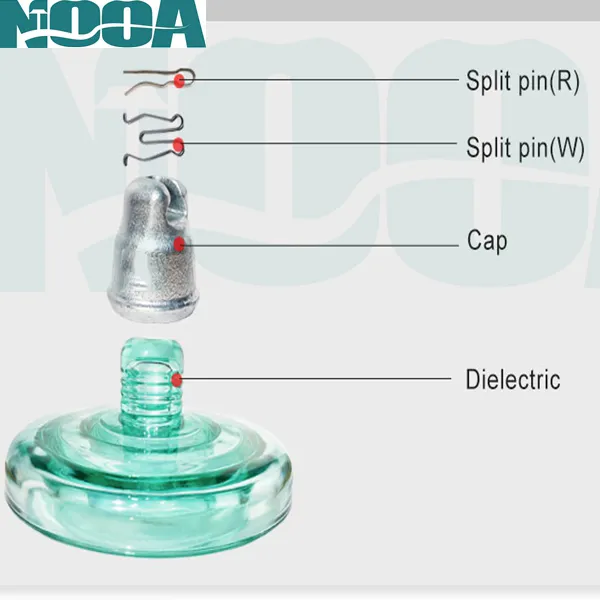
These metal fittings allow the insulator to be connected into strings, forming suspension or tension assemblies in overhead transmission lines. The integrity of the cap and pin attachment directly determines the mechanical strength of glass disc insulator units, especially in high-voltage and ultra-high-voltage (UHV) applications.
For engineers and buyers, the design standard (e.g., IEC 60383 / ANSI C29) and the tensile rating (e.g., 70kN, 120kN, 160kN) are closely tied to how well these fittings are bonded.
2. How Is the Metal Attached to the Glass Disc? (Cementing Process)
Metal fittings are attached using high-strength cement under controlled conditions to ensure long-term bonding and load resistance.
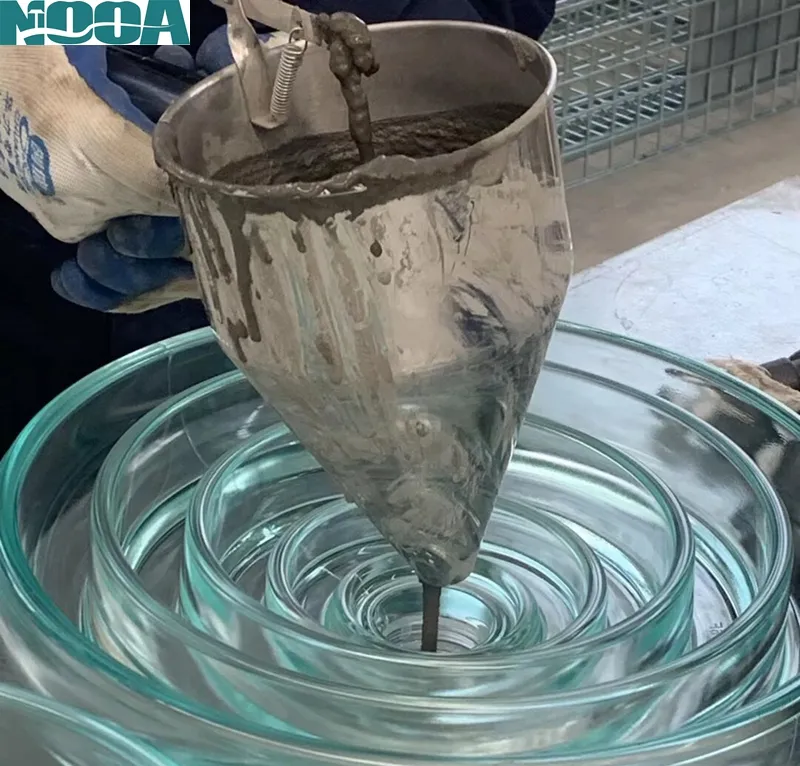
The most widely used method is cementing, which involves fixing the metal cap and pin to the glass shell using a specially formulated Portland cement or mixture.
Key Steps:
-
Surface Preparation
-
Glass and metal surfaces are cleaned and treated to improve adhesion
-
Anti-corrosion coatings (e.g., hot-dip galvanization) are applied to metal parts
-
Cement Filling
-
A precise amount of cement is injected into the cap cavity
-
The pin is inserted into the glass shell with accurate alignment
-
Controlled Curing
-
The assembly is cured under controlled temperature and humidity
-
Proper curing ensures optimal bonding strength of glass disc insulator fittings
-
Expansion Compensation
-
The cement accommodates thermal expansion differences between glass and metal
-
Prevents cracking under temperature cycling
This process ensures a high mechanical load-bearing capacity glass disc insulator, capable of withstanding decades of service.
At Nooa Electric, automated cementing lines and strict curing protocols are used to ensure uniform bonding quality across large production volumes.
3. Why Cement Is Used Instead of Direct Bonding or Welding
Because Cement provides flexibility, stress distribution, and durability that rigid bonding methods cannot achieve.
Unlike welding or adhesive bonding, cement offers several advantages:
-
Stress Absorption: Reduces internal stress caused by temperature changes
-
Electrical Insulation: Prevents conductive paths between metal and glass
-
Crack Resistance: Avoids brittle failure under mechanical shock
-
Longevity: Proven performance over decades in outdoor environments
For EPC Projects procurement teams evaluating high voltage glass disc insulator suppliers, cement quality and process control are key differentiators. And do you know how to choose cement for high voltage glass insulators?
4. Mechanical Strength and Load Transfer Mechanism
The bonding system ensures efficient load transfer from conductor to tower through the insulator string.
In operation, the mechanical load path is:
Conductor → Insulator String → Metal Pin → Cement → Glass Shell → Cement → Metal Cap → Tower
Key performance factors include:
-
Tensile strength (kN rating)
-
Impact resistance
-
Fatigue performance under cyclic loads
High-quality toughened glass disc insulators from manufacturers like Nooa Electric undergo routine tensile testing of glass insulators to ensure compliance with international standards like IEC 60383, ISO 9001.
5. Quality Control in the Attachment Process
Strict inspection and testing ensure the reliability of the metal-to-glass bond.
Typical quality assurance steps include:
-
Visual Inspection: Detects surface defects and misalignment
-
Mechanical Testing: Verifies tensile and impact strength
-
Thermal Shock Testing: Ensures resistance to temperature variation
-
Cement Integrity Checks: Prevents voids or weak bonding
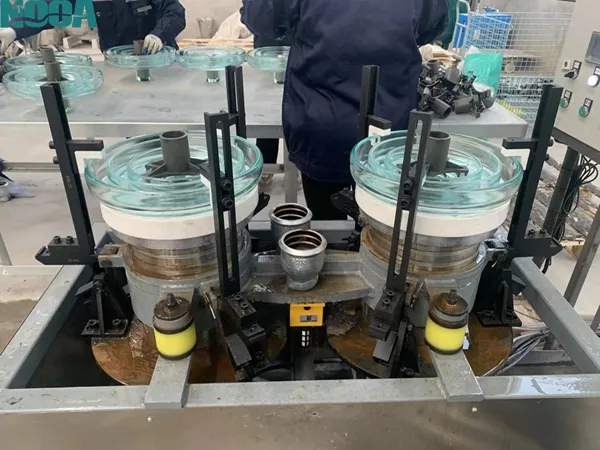
Advanced manufacturers implement automated cementing and curing systems, reducing human error and improving consistency.
For B-end buyers, choosing a supplier with full in-house testing capability significantly reduces project risk.
6. Common Failure Modes and How to Avoid Them
Failures are rare but typically linked to poor cementing, corrosion, or inferior materials.
Potential issues include:
-
Cement cracking due to poor curing
-
Corrosion of metal fittings
-
Improper alignment causing uneven stress
-
Low-quality raw materials
Mitigation strategies:
-
Source from certified glass insulator manufacturers (e.g., ISO, IEC compliance)
-
Verify test reports and batch traceability
-
Select appropriate rating for environmental conditions
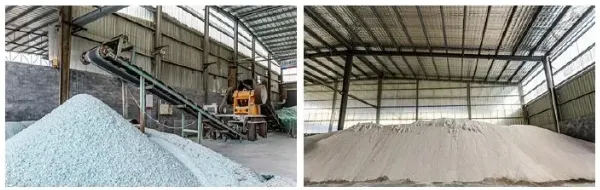
Nooa Electric emphasizes strict raw material selection and full-process traceability to ensure long-term reliability.
FAQ: Glass Disc Insulator Metal Fitting Attachment
Q1: What type of cement is used in glass disc insulators?
A: High-strength Portland cement with controlled additives is typically used to ensure durability and bonding performance.
Q2: Can the metal fittings detach over time?
A: Under proper manufacturing and normal operating conditions, detachment is extremely rare. Failures are usually linked to poor-quality production.
Q3: How is alignment ensured during assembly?
A: Precision fixtures and automated assembly lines are used to maintain exact alignment between the cap, pin, and glass shell.
Q4: What standards govern this attachment process?
A: IEC 60383, ANSI C29, and other regional standards define mechanical and electrical performance requirements.
Q5: Why is cement preferred over epoxy or adhesive bonding?
A: Cement offers better thermal compatibility, mechanical strength, and long-term stability in outdoor environments.