Why Do Birds Collide with Power Lines?
Birds collide with power lines because conductors and shield wires can be difficult to detect during flight.
Birds do not see overhead infrastructure in the same way humans do. Thin cables and wires can blend into the surrounding environment, especially when birds are moving at high speeds.
Several factors increase collision risks:
Fog and rain conditions
Dawn and dusk lighting
Snow or low-visibility weather
High-speed migration flights
Background clutter from mountains, forests, or urban areas
Small-diameter shield wires and OPGW cables
Certain species are more vulnerable, including:
Cranes
Waterfowl
Swans
Raptors
Migratory birds
Bird strikes frequently occur on earth wires and optical ground wires because they are located above conductors and have smaller diameters.
Different Types of Bird Diverters and Their Working Principles
Different bird diverter designs use different methods to improve power line visibility.
1.Spiral Bird Diverters
Spiral bird diverters wrap around conductors and create a larger visible profile.
How they work:
Increase cable diameter appearance
Create contrast against the sky
Remain visible from multiple angles
Advantages:
Simple installation
Lightweight structure
Minimal maintenance
2.Flapper Bird Diverters
Flapper designs include suspended moving elements.
How they work:
Move continuously in wind conditions
Generate visual movement
Increase visibility over larger distances
Advantages:
Effective in migration pathways
High visibility in low-light environments
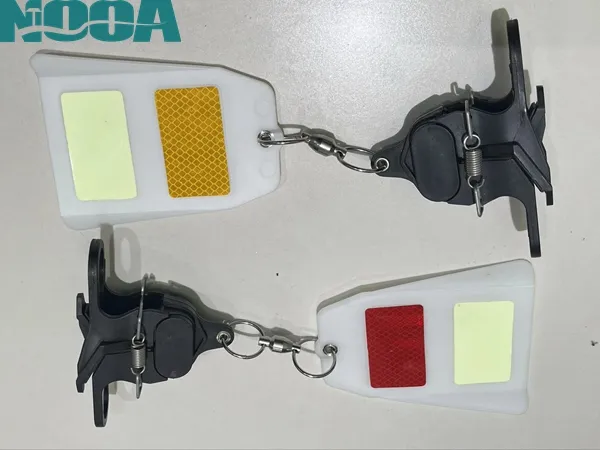
3.Reflective Bird Diverters
Reflective diverters use special materials that catch sunlight.
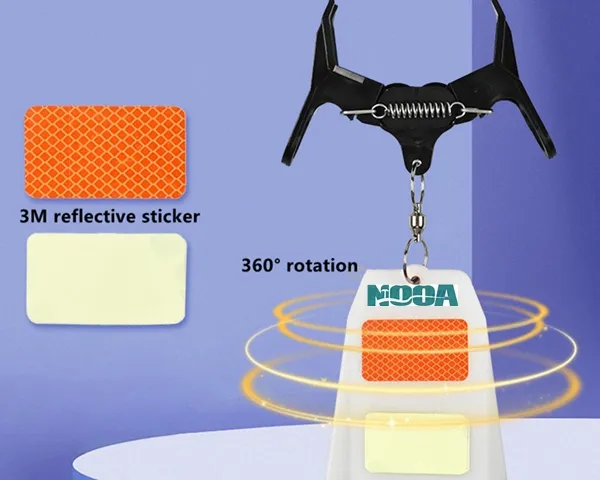
How they work:
Produce flashes and light reflections
Increase visual awareness
Advantages:
Lightweight design
Effective during daytime
4.Rotating Bird Diverters
Rotating devices spin with wind action.
How they work:
Produce continuous movement
Create changing visual patterns
Advantages:
Highly noticeable
Effective for large birds
Where Are Bird Diverters Usually Installed?
Bird diverters are typically installed in locations with elevated bird activity and collision risks.
Common installation areas include:
1.Wetlands and lakes: Large populations of waterfowl often fly through these regions.
2.Bird migration routes: Migratory species frequently travel long distances and may encounter overhead infrastructure.
3.River crossings: Birds often follow waterways during migration.
4.Coastal areas: Coastal environments attract large numbers of birds.
5.Nature reserves: Protected wildlife areas commonly require mitigation measures.
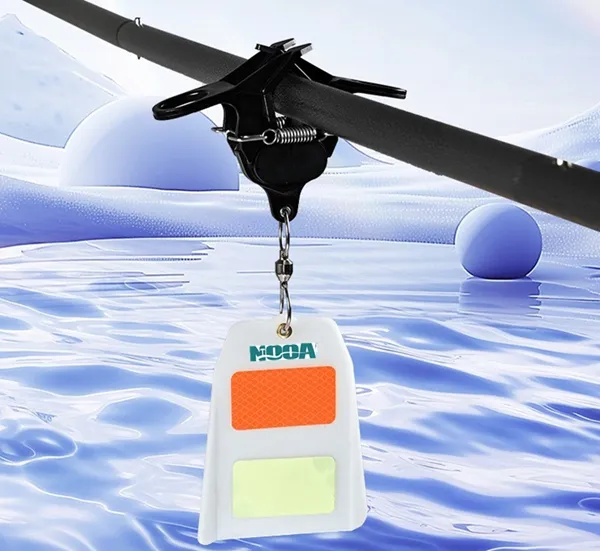
Bird diverters are often attached to:
Ground wires
Shield wires
OPGW cables
High-voltage transmission conductors
What Benefits Do Bird Diverters Provide?
Bird diverters reduce bird collisions while improving operational and environmental performance.
Major benefits include:
1.Reduced bird mortality: Improved visibility decreases collision rates.
2.Better environmental compliance: Many utility projects must satisfy environmental protection regulations.
3.Improved network reliability: Reducing bird-related incidents can help minimize outages.
4.Lower maintenance costs: Fewer incidents can reduce emergency repairs and inspections.
5.Enhanced sustainability goals: Wildlife protection increasingly supports ESG and corporate responsibility objectives.
Nooa Electric provides bird diverter solutions designed for utility networks, helping transmission projects combine infrastructure reliability with environmental responsibility.
Factors That Affect Bird Diverter Performance
Performance depends on installation practices, environment, and device design.
Important factors include:
Diverter spacing
Conductor type
Bird species
Weather conditions
Device size
Visibility characteristics
Material durability
Proper installation planning can significantly improve effectiveness.
FAQ About How Bird Diverters Work
1. What is the primary function of a bird diverter?
The main purpose of a bird diverter is to increase the visibility of power lines and reduce bird collisions.
2. Do bird diverters repel birds?
No. Most bird diverters do not repel birds; they help birds detect and avoid wires.
3. Which wires usually require bird diverters?
Ground wires, shield wires, and OPGW cables are commonly protected because they are difficult for birds to see.
4. Can bird diverters reduce bird mortality?
Yes. Studies have shown that properly installed bird diverters can significantly reduce collision rates.
5. Which bird species benefit most from bird diverters?
Large birds, migratory birds, cranes, swans, and waterfowl often benefit most.
6. Do bird diverters work at night?
Some diverters remain effective under low-light conditions through movement, reflection, or UV-visible technologies.
7. How far apart should bird diverters be installed?
Typical installation spacing ranges between 5 and 30 meters depending on environmental conditions.
8. Can bird diverters be installed on existing power lines?
Yes. Many bird diverter designs support retrofit installation.
9. Do bird diverters require maintenance?
Most high-quality diverters require minimal maintenance after installation.
10. Why are bird diverters important for utility companies?
They improve environmental compliance, reduce wildlife impacts, support system reliability, and strengthen sustainability objectives.