Why Factory Testing of Suspension Glass Insulators Is Important
Factory testing ensures product quality, operational safety, and compliance with international standards. Strict Factory Testing Ensures the Reliability and Safety of Suspension Glass Insulators
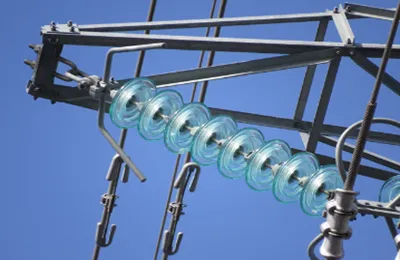
Suspension glass insulators operate under:
High electrical stress
Heavy mechanical loads
Severe weather conditions
Pollution exposure
Without proper testing, utilities may face:
Flashovers
Mechanical failure
Premature aging
Transmission outages
For international EPC procurement projects, we (nooa electric) glass insulator factory testing provides:
Product traceability
Compliance verification
Quality consistency
Reduced operational risk
Testing is particularly critical for utility-grade suspension glass insulators used in extra-high-voltage transmission systems.
Raw Material Inspection Procedures
Quality control begins with strict inspection of raw materials before production.
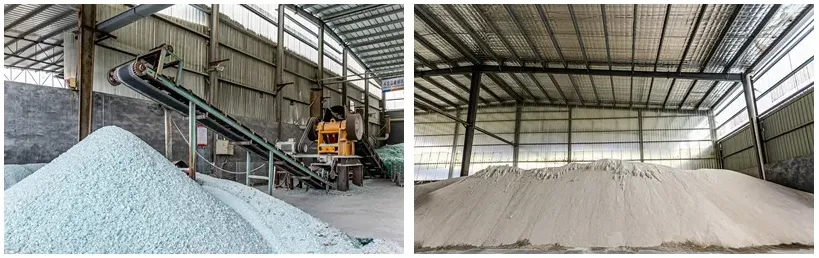
Manufacturers inspect:
Glass composition materials
Metal cap and pin fittings
Zinc sleeves
Cement materials
Galvanized hardware
Inspection objectives include:
Chemical composition verification
Mechanical property confirmation
Corrosion resistance validation
Poor raw materials can lead to:
Internal glass defects
Weak bonding strength
Premature mechanical failure
High-quality manufacturers such as Nooa Electric apply strict supplier qualification systems for all insulator components.
Visual and Dimensional Inspection
Every suspension glass insulator must meet strict dimensional and appearance requirements in Nooa Electric.
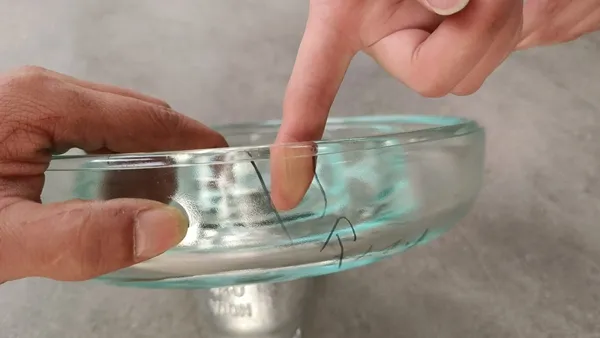
After production, inspectors verify:
Disc diameter
Creepage distance
Metal fitting dimensions
Surface smoothness
Assembly alignment
Visual inspection checks for:
Cracks
Air bubbles
Surface defects
Incomplete galvanization
Cement imperfections
Accurate dimensions are critical because they directly affect:
String assembly compatibility
Electrical clearance
Mechanical performance
This step is essential for high voltage glass disc suspension insulator projects requiring standardized interchangeability.
Mechanical Strength Testing
Mechanical tests verify the insulator’s ability to withstand conductor loads and environmental stress.
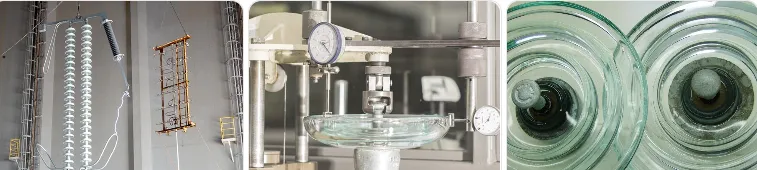
Key mechanical tests include:
Tensile Load Test
Verifies rated mechanical load capacity such as:
70kN
120kN
160kN
210kN
Mechanical Failing Load Test
Determines ultimate breaking strength under extreme stress.
Thermal-Mechanical Performance Test
Simulates:
Temperature variation
Dynamic mechanical loading
These tests ensure that the suspension glass insulator string can safely support transmission conductors over long service periods.
Electrical Performance Testing
Electrical tests confirm insulation reliability under operating and fault conditions.
Important electrical tests include:
Power Frequency Withstand Test
Confirms insulation performance under normal operating voltage.
Lightning Impulse Test
Evaluates resistance to transient overvoltage caused by lightning strikes.
Puncture Test
Ensures current does not penetrate through the glass dielectric body.
Radio Interference Voltage (RIV) Test
Measures electromagnetic interference levels.
These tests are critical for high voltage suspension glass insulators for EPC transmission projects.
Thermal Shock and Temperature Cycle Testing
Thermal tests verify resistance to sudden temperature changes and environmental stress.
Insulators may experience:
Day-night temperature variation
Hot climate operation
Cold weather conditions
Rapid environmental changes
Thermal shock testing checks for:
Glass cracking
Cement separation
Structural weakness
This testing is especially important for transmission projects in:
Desert regions
Cold climates
Mountain environments
Galvanization and Corrosion Resistance Testing
Corrosion testing protects long-term durability in harsh environments.
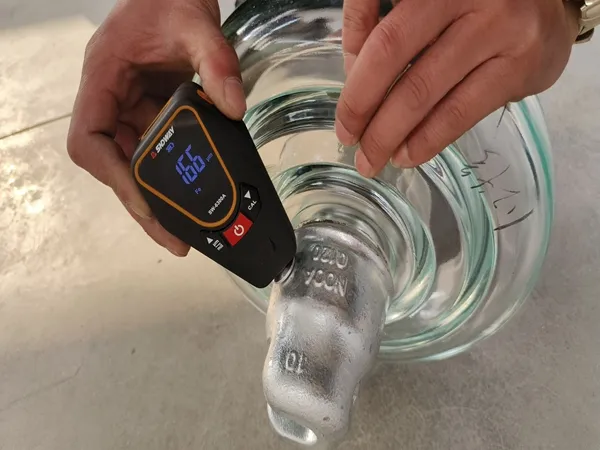
Metal fittings are exposed to:
Humidity
Salt fog
Industrial pollution
Acid rain
Testing procedures include:
Zinc coating thickness measurement
Salt spray testing
Corrosion resistance evaluation
Proper galvanization improves:
Service life
Mechanical reliability
Maintenance performance
This is particularly important for anti-pollution suspension glass insulator systems used in coastal transmission projects.
Routine Tests, Sample Tests, and Type Tests
International standards classify insulator testing into multiple categories.
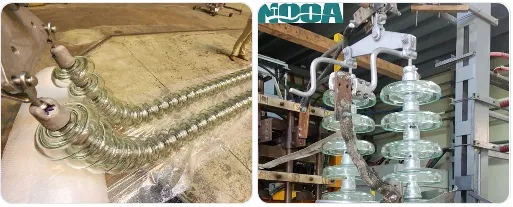
Routine Tests
Performed on every insulator unit before shipment.
Sample Tests
Conducted on randomly selected production samples.
Type Tests
Performed to validate complete product design compliance with IEC or ANSI standards.
For international tenders, buyers often request:
We Nooa Electric acceptance testing (FAT)
Third-party inspection
Complete test reports
Nooa Electric support EPC contractors with detailed documentation and project-specific testing support.
Packaging Inspection and Final Quality Control
Final inspection ensures safe transportation and project traceability.
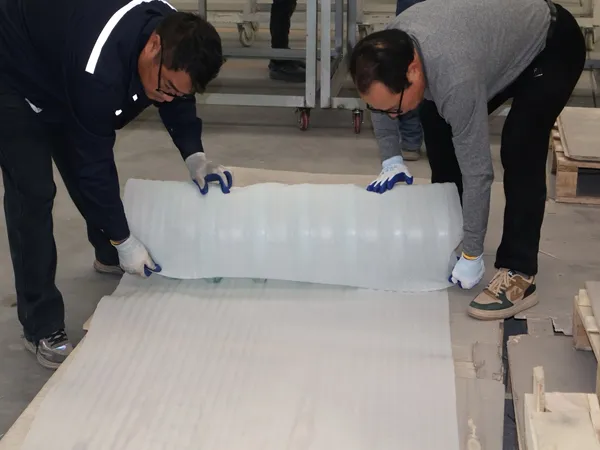
Before shipment, manufacturers verify:
Packaging integrity
Product labeling
Batch traceability
Quantity accuracy
Export compliance
Proper packaging prevents:
Transportation damage
Moisture exposure
Mechanical impact during shipping
This step is critical for large-scale international transmission projects.
FAQ: Factory Testing Procedures for Suspension Glass Insulators
Q1: Why are suspension glass insulators factory tested?
A: Factory testing ensures electrical reliability, mechanical strength, safety, and compliance with international transmission standards.
Q2: What is the most important mechanical test for suspension insulators?
A: The tensile mechanical load test is one of the most critical because it verifies conductor load capacity.
Q3: What electrical tests are commonly performed on glass suspension insulators?
A: Common tests include power frequency withstand tests, lightning impulse tests, puncture tests, and RIV tests.
Q4: Why is thermal shock testing important?
A: It verifies the insulator’s ability to withstand rapid temperature changes without cracking or structural failure.
Q5: What standards are commonly used for suspension glass insulator testing?
A: IEC, ANSI, and utility-specific standards are commonly required for international EPC and utility projects.
Q6: Why do EPC buyers request third-party inspection?
A: Third-party inspections help verify quality consistency, test authenticity, and compliance with tender specifications.