With Zinc Sleeve vs. Without Zinc Sleeve: What Is the Difference?
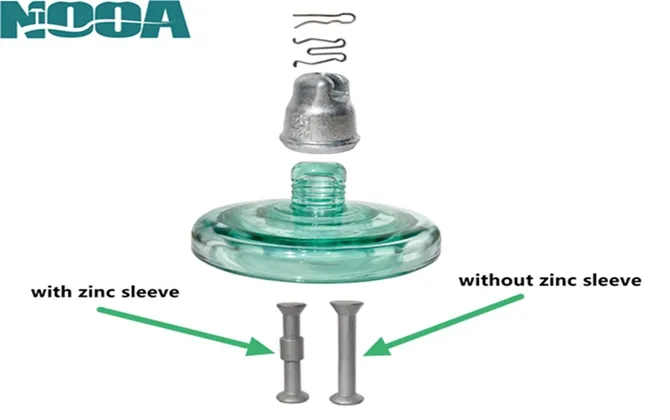
Glass insulators with zinc sleeves and glass insulators without zinc sleeves. The main difference is not the glass material or the rated mechanical load, but the corrosion protection of the steel pin. A zinc sleeve is a protective zinc component bonded to the steel pin of a cap-and-pin glass insulator. It acts as a sacrificial electrode, helping protect the pin against electrolytic corrosion caused by leakage current, particularly under DC operating conditions.
For AC transmission lines, zinc sleeves may be specified according to the operating environment and project requirements. For DC transmission lines, zinc protection is especially important because unidirectional current can accelerate electrolytic corrosion of metal fittings under contaminated and wet conditions. The final configuration should always comply with the project specification and applicable standards.
1. What Is a Zinc Sleeve in a Glass Insulator?
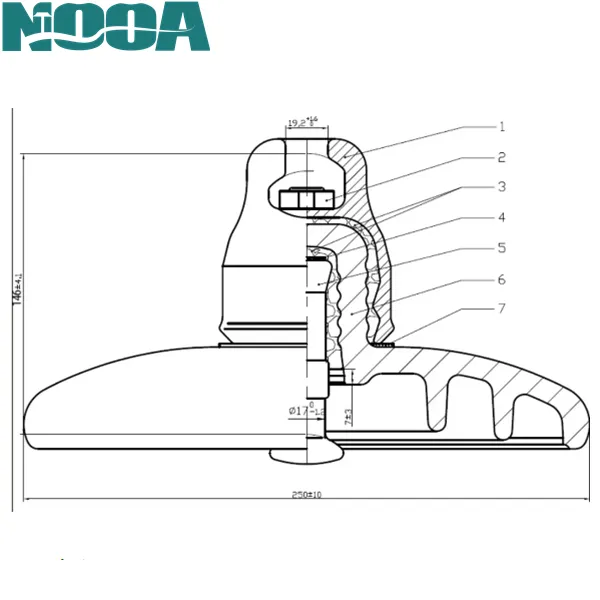
A zinc sleeve is a zinc protective component bonded to the steel pin of a glass suspension insulator. Its primary function is to protect the pin against electrolytic corrosion. A typical toughened glass suspension insulator consists of several main components:
1.Toughened glass insulating body
2.Galvanized metal cap
3.Forged steel pin
4.Cement or other specified bonding material
5.Locking device
6.Optional zinc sleeve
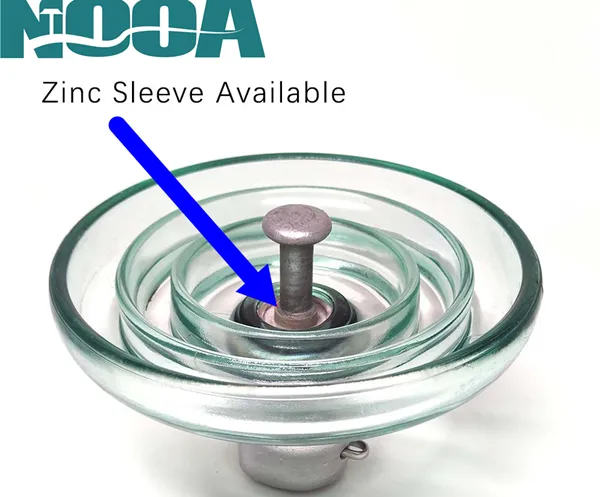
The zinc sleeve is generally fused or firmly bonded to the pin shank during manufacturing. It is positioned in the metal fitting and cementing region, where corrosion protection is particularly important. Unlike ordinary surface galvanizing, a zinc sleeve provides an additional quantity of zinc that can act as a sacrificial electrode.
When electrolytic corrosion occurs, zinc is preferentially consumed instead of the steel pin. This helps preserve the pin's effective cross-section and mechanical integrity over the service life of the insulator. The zinc sleeve is therefore a corrosion-protection component rather than an additional insulating material.
2. Glass Insulator with Zinc Sleeve vs. Without Zinc Sleeve
A glass insulator with a zinc sleeve has an additional sacrificial zinc component bonded to its pin. A standard glass insulator without a zinc sleeve relies on its specified pin material, galvanizing, and overall design for corrosion protection.
Comparison
|
With Zinc Sleeve
|
Without Zinc Sleeve
|
Pin structure
|
Steel pin with bonded zinc sleeve
|
Standard steel pin
|
Corrosion protection
|
Additional sacrificial zinc protection
|
Relies on specified galvanizing and design
|
Electrolytic corrosion resistance
|
Improved protection against pin electrolytic corrosion
|
More vulnerable under severe DC corrosion conditions
|
Rated mechanical load
|
Determined by the insulator design
|
Determined by the insulator design
|
Electrical characteristics
|
Must meet IEC
|
Must meet IEC
|
Manufacturing cost
|
Generally higher
|
Generally lower
|
Typical application
|
DC lines and projects requiring enhanced pin protection
|
Many conventional AC applications
|
The characteristics of insulators with and without zinc sleeves can otherwise be designed to meet the same specified electrical and mechanical requirements. A zinc sleeve does not automatically increase the rated mechanical failing load. Its value lies in helping protect the steel pin from corrosion that could reduce mechanical strength over time.
3. Why Does a Glass Insulator Need a Zinc Sleeve?
The zinc sleeve helps prevent electrolytic corrosion of the steel pin, which is a critical load-bearing component in a glass suspension insulator.
3.1 Preventing electrolytic corrosion
Under certain operating conditions, leakage current can flow across the surface of a contaminated and wet insulator. In DC applications, the unidirectional current can create electrochemical conditions that promote ion migration and electrolytic corrosion of the metal fittings. Over time, corrosion may reduce the effective diameter of the steel pin. Because the pin carries mechanical load, this reduction can affect the residual mechanical strength of the insulator assembly.
3.2 Protecting the steel pin through sacrificial action
Zinc has a more negative electrochemical potential than steel under relevant conditions. When properly bonded to the pin, the zinc sleeve acts as a sacrificial electrode. It preferentially corrodes, helping protect the steel pin from the same corrosion process. This is the principle of sacrificial anode protection. The zinc sleeve does not prevent every form of corrosion. It is specifically intended to provide additional protection against electrolytic corrosion and should be used together with appropriate material selection, galvanizing, and manufacturing quality control.
3.3 Maintaining long-term mechanical reliability
The mechanical strength of a glass suspension insulator depends heavily on the integrity of its metal fittings and bonding structure. By helping protect the pin from corrosion-related material loss, a zinc sleeve supports the long-term reliability of the insulator string. For transmission line projects with long service-life expectations, this additional protection may be an important consideration during technical specification and procurement.
4. Why Are Zinc Sleeves Important for DC Transmission Lines?
Zinc sleeves are particularly important for DC glass insulators because unidirectional current can cause electrolytic corrosion of metal fittings under contaminated and wet operating conditions. DC transmission lines present different electrical stresses from AC lines.
In a contaminated environment, moisture and pollution deposits can form a conductive layer on the insulator surface. Under DC voltage, the resulting leakage current may contribute to electrolytic corrosion of the pin and other metal fittings. For this reason, DC glass insulators may require special design features, including:
Zinc sleeves on the pins
Zinc collars or rings on the caps, where specified
Special glass formulations with suitable electrical resistance
DC-specific electrical and corrosion tests
IEC 61325 addresses ceramic and glass insulators for DC overhead lines and includes requirements related to zinc protection and corrosion considerations.
5. Is a Zinc Sleeve Necessary for AC Glass Insulators?
Not every AC glass insulator requires a zinc sleeve. The need depends on the project specification, pollution level, operating environment, and corrosion-protection requirements. For conventional AC transmission lines, standard
glass suspension insulators without zinc sleeves are widely used. However, zinc sleeves may also be specified for AC applications where enhanced protection is required.
Typical considerations include:
1.Heavy pollution environments: Industrial pollution, conductive deposits, and frequent wetting can increase leakage current and corrosion concerns.A zinc sleeve may be considered as an additional protection measure.
2.Coastal and humid environments: High humidity and salt contamination can increase corrosion risks for metal fittings. The project engineer should evaluate the complete corrosion-protection system, including galvanizing and any additional zinc components.
3.Long-term reliability requirements: Some utilities and EPC contractors specify zinc sleeves as part of their standard insulator configuration to provide additional protection against pin corrosion.
6. Zinc Sleeve vs. Hot-Dip Galvanizing: What Is the Difference?
Hot-dip galvanizing provides a protective zinc coating on steel surfaces, while a zinc sleeve provides additional sacrificial zinc protection specifically designed to help prevent electrolytic corrosion of the pin. These 2 protection methods are complementary rather than interchangeable.
Hot-dip galvanizing: Hot-dip galvanizing forms a zinc coating on the steel pin and cap. Its main purpose is to protect the metal fittings against atmospheric corrosion, such as rust caused by moisture and environmental exposure.
Zinc sleeve: A zinc sleeve is a separate zinc component bonded to the pin. It provides sacrificial zinc material that can preferentially corrode under electrolytic conditions.
Feature
|
Hot-Dip Galvanizing
|
Zinc Sleeve
|
Form
|
Zinc coating
|
Additional zinc component
|
Main purpose
|
Atmospheric corrosion protection
|
Electrolytic corrosion protection
|
Location
|
Steel fitting surface
|
Pin shank
|
Protection mechanism
|
Barrier and sacrificial coating
|
Sacrificial electrode
|
Application
|
Standard metal fitting protection
|
Additional protection where specified
|
A glass insulator with a zinc sleeve should still have the specified galvanizing quality on its metal fittings.
7. What Is the Difference Between a Zinc Sleeve and a Zinc Collar?
A zinc sleeve protects the steel pin, while a zinc collar or zinc ring protects the metal cap. These are 2 different zinc protection components used in some DC glass insulator designs.
1.Zinc sleeve: The zinc sleeve is bonded to the steel pin and helps protect it against electrolytic corrosion.
2.Zinc collar: The zinc collar is attached to the base of the metal cap and provides additional sacrificial zinc protection for the cap.
Both components may be required for certain DC applications.
10. FAQ
1. What is the main difference between glass insulators with and without zinc sleeves?
The main difference is the additional corrosion protection provided by the zinc sleeve. It acts as a sacrificial electrode to help protect the steel pin against electrolytic corrosion.
2. Do zinc sleeves increase the mechanical strength of glass insulators?
Not directly. The zinc sleeve does not automatically increase the rated mechanical failing load. It helps preserve the pin's mechanical integrity by reducing corrosion-related material loss.
3. Are zinc sleeves necessary for DC glass insulators?
Zinc sleeves are particularly important for DC glass insulators because unidirectional current can cause electrolytic corrosion of metal fittings under contaminated and wet conditions. The required configuration should follow the applicable DC standard and project specification.
4. Can AC glass insulators be supplied with zinc sleeves?
Yes. Zinc sleeves may be specified for AC applications where enhanced corrosion protection is required, such as certain heavily polluted environments.
5. What is the difference between a zinc sleeve and galvanizing?
Galvanizing is a zinc coating applied to steel fittings for corrosion protection. A zinc sleeve is an additional zinc component bonded to the pin to provide sacrificial protection against electrolytic corrosion.
6. What is the difference between a zinc sleeve and a zinc collar?
A zinc sleeve protects the steel pin. A zinc collar protects the metal cap. Some DC insulator designs require both components.
7. Does a zinc sleeve affect the electrical performance of a glass insulator?
The complete insulator design must meet the specified electrical requirements. A properly designed and bonded zinc sleeve is intended to provide corrosion protection without compromising the insulator's required performance.
8. Can zinc sleeves be added to standard glass insulators after manufacturing?
Zinc sleeves are normally bonded to the pin during manufacturing. Retrofitting should not be carried out without the manufacturer's approved process and engineering evaluation.