1.What is a high voltage glass insulator?
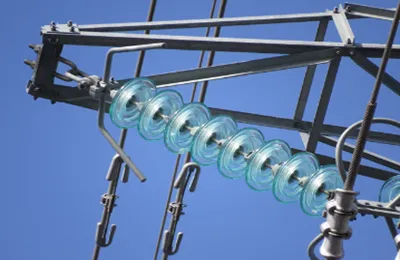
A high voltage glass insulator is a specialized component used in electrical power transmission and distribution systems to support and isolate high voltage conductors from the tower and ground. These insulators are typically made of toughened glass, chosen for its high dielectric strength, which means it can withstand high voltages without breaking down. They are designed to prevent electrical energy from escaping the system, either through arcing or as heat.
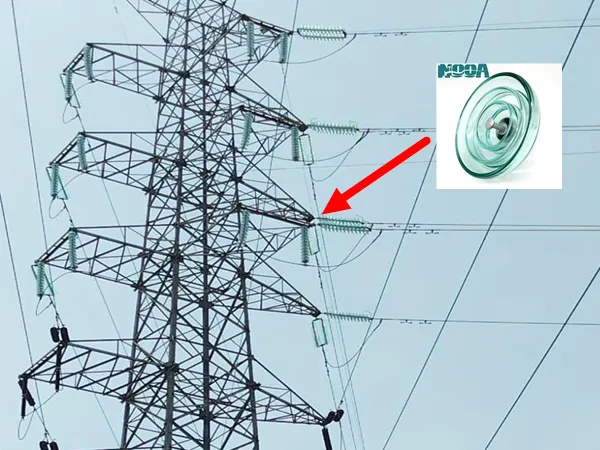
Function: High voltage insulators provide the necessary insulation to keep high voltage conductors separated from the supporting structure (like a tower) and the ground, preventing electrical short circuits.
Material: They are often constructed from glass, specifically toughened glass, which is a type of glass that has been heat-treated to increase its strength and durability.
Design: These insulators come in various shapes and sizes, depending on the voltage and application. Some common designs include string insulators (used for high voltage power lines) and bushings (used in transformer connections).
Advantages: Glass insulators offer several advantages, including high mechanical strength, weather resistance, and the ability to easily detect defects like cracks, as they are transparent.
Applications: High voltage glass insulators are essential components in power transmission and distribution lines, substations, and other electrical infrastructure where high voltage insulation is needed.
2.What are the main properties of a high-voltage glass insulator?
High-voltage glass insulators are characterized by high dielectric strength, mechanical strength, resistance to environmental factors, and durability. They are designed to withstand high voltages without breakdown, are strong enough to support conductors, and can resist weathering, contamination, and other environmental conditions.
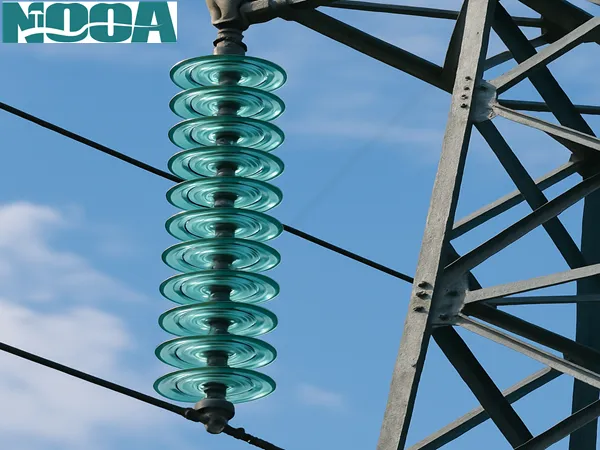
Weather Resistance: Glass insulators can withstand various weather conditions, including rain, snow, temperature fluctuations, and exposure to sunlight.
Resistance to Contamination: They are designed to resist the accumulation of dust, dirt, and pollutants, which can lead to flashover.
Chemical Inertness: Glass is chemically inert and resists corrosion and degradation from various chemicals.
Air Permeability: They allow for airflow, aiding in heat dissipation and preventing moisture buildup.
Low Maintenance: Their durability and resistance to environmental factors require minimal maintenance.
3.What is the importance of high voltage glass insulators in an electrical system?
High voltage glass insulators are crucial in electrical systems for safety, stability, and efficient power transmission. They prevent short circuits, electric shocks, and power interruptions by mechanically holding conductors in place and preventing current leakage. Additionally, they help maintain the electrical system's stability and ensure safe operation by preventing current flow to unintended paths.
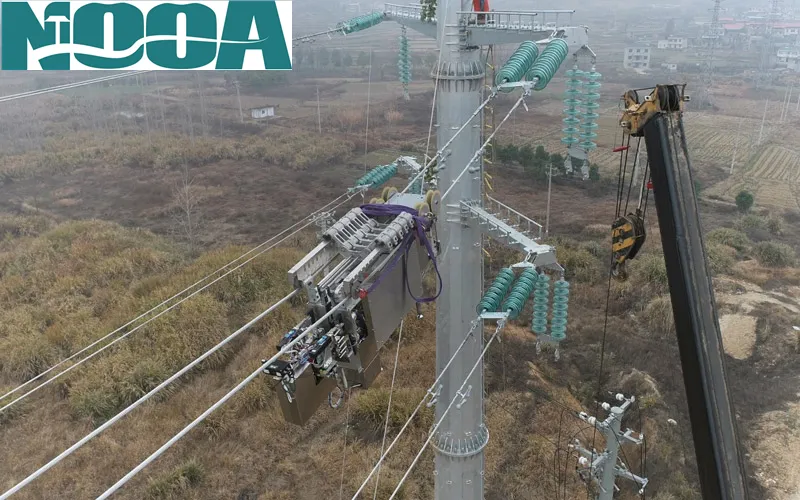
Safety: our glass insulator prevent electrical current from flowing to ground or unintended paths, which is vital for avoiding short circuits, electric shocks, and electrical fires.
Stability:glass electric insulators help maintain the electrical system's stability by preventing current leakage and ensuring that electrical energy is transmitted effectively.
Power Transmission: high voltage insulator ensure the reliable transmission of electricity by preventing current flow to ground and maintaining the integrity of the electrical system.
Mechanical Support: They provide physical support to electrical conductors, preventing them from sagging, falling, or damaging.
Preventing Electrical Discharge: Insulators protect against electrical hazards, such as electrical discharge and arcing, which can damage equipment and endanger personnel.
4.What are the factors to consider when selecting high-voltage glass insulators?
When selecting high-voltage glass insulators, consider mechanical strength, electrical properties, environmental factors, and economic factors to ensure reliable and safe performance. Key aspects include the voltage rating, mechanical load capacity, resistance to contamination, thermal stability, and ease of installation and maintenance.
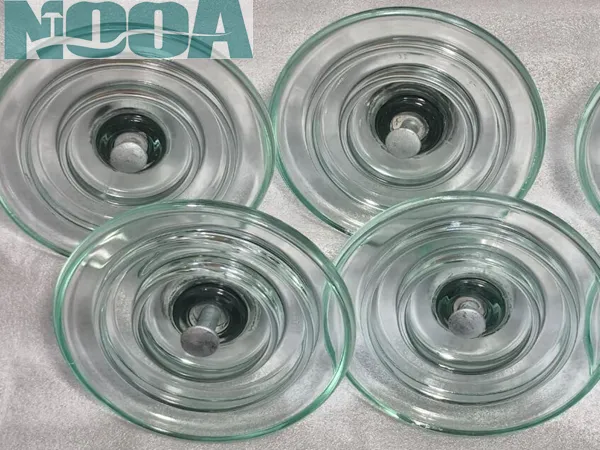
1. Mechanical Strength:
Load Capacity, Residual Mechanical Strength, Design
2. Electrical Properties:
Voltage Rating, Dielectric Strength, Creepage Distance, Leakage Distance:
3. Environmental Factors:
Resistance to Contamination, Weather Resistance, Thermal Stability
5.What are the main parameters that define each model of glass insulator?
The main parameters defining a model of glass insulator include mechanical, dimensional, geometric, and electrical properties. These parameters are crucial for ensuring the insulator's performance and safety under various operating conditions.
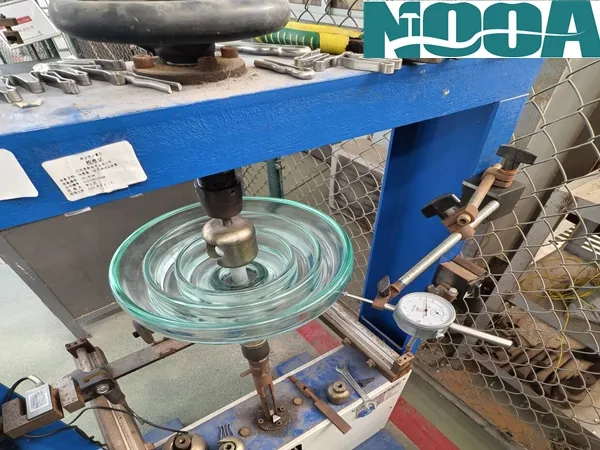
Mechanical Parameters:
Mechanical breaking load: This refers to the maximum load the insulator can withstand before fracturing.
Coupling standard: This specifies the method used to connect the insulator to the tower or other components.
Diameter: This specifies the insulator's physical dimensions.
Dimensional Parameters:
Creepage distance: The distance along the insulator's surface that an electric arc can travel without causing a flashover.
Pitch: The spacing between the ribs or protrusions on the insulator.
Geometric Parameters: Insulator profile: The shape and configuration of the insulator, including the shape of the individual glass discs or segments.
Electrical Parameters: Dry and wet power frequency withstand voltages: The voltage the insulator can withstand under dry and wet conditions at normal power frequencies.
Lightning impulse withstand voltages: The voltage the insulator can withstand under lightning impulse conditions.
Flashover voltage: The voltage at which a disruptive discharge (flashover) occurs across the insulator.
6.What is the installation and maintenance process for high-voltage glass insulators?
High-voltage glass insulators are crucial components in power transmission systems, requiring careful installation and maintenance. Installation involves secure fastening to support structures with appropriate hardware and tools, while maintenance includes regular inspections for contamination and corrective actions.
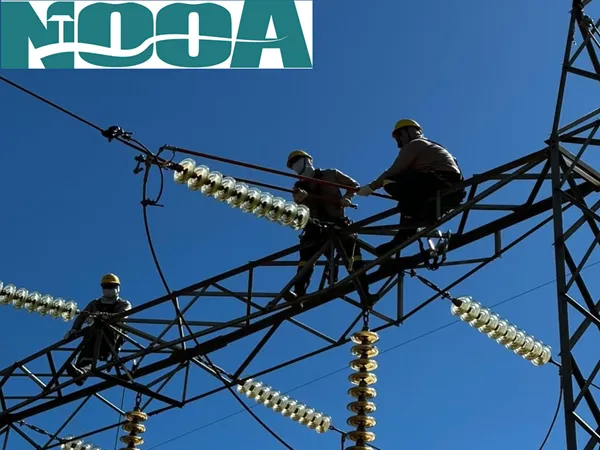
Installation Process:
1. Secure Fastening: Insulators must be securely fastened to the supporting structures using appropriate hardware and tools, ensuring a robust and reliable connection.
2. Environmental Considerations: The installation process should take into account the specific environmental conditions, including pollution levels and weather patterns, to ensure long-term performance.
3. Proper Alignment: Insulators need to be properly aligned and spaced to ensure optimal performance and prevent electrical faults.
Maintenance Process:
1. Regular Inspection: Regular inspections are crucial for detecting any signs of contamination, damage, or deterioration, which can compromise insulation integrity.
2. Contamination Removal: In polluted environments, regular cleaning and washing of insulators are necessary to remove accumulated contaminants and maintain their insulating properties.
3. Coating Application: Applying coatings, such as silicone grease or RTV silicone rubber, can enhance the hydrophobicity of insulators, preventing water accumulation and reducing the risk of flashovers.
4. Partial Discharge Monitoring: Monitoring for partial discharges (PD) using acoustic or other advanced techniques can help identify potential problems and plan maintenance proactively.
5. Replacement: Damaged or deteriorated insulators should be replaced to maintain the reliability and safety of the system.
7.What materials are used in the manufacture of high voltage glass insulators?
High voltage glass insulators are primarily made of high-quality toughened glass for their main insulation body. They also utilize metal fittings, such as cast iron, forged steel, cement, and stainless steel, for fastening and bonding, along with bonding materials.
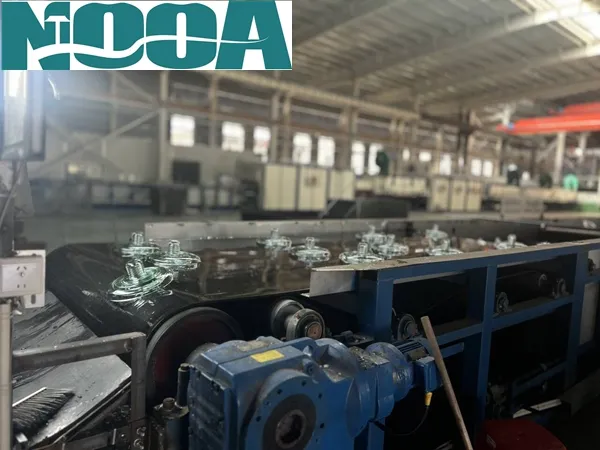
Toughened Glass: The core of the insulator, providing high mechanical and thermal strength, and electrical insulation.
Metal Fittings: Used for connecting the insulator to transmission lines and other components. Common materials include cast iron, forged steel, stainless steel, and sometimes bronze.
Bonding Materials: Like aluminous cement, are used to secure the metal fittings to the glass, ensuring a robust and reliable connection.
Additional Materials: Some insulators might also incorporate other materials like zinc sleeves for corrosion resistance in harsh environments.
Raw Materials for Glass Production: Raw materials for producing the glass include silica, alumina, sodium carbonate, sodium sulfate, limestone, potash, and dolomite.
8.How does contamination affect the performance of high-voltage glass insulators?
Contamination on high-voltage glass insulators, such as dirt, salt, or dust, significantly reduces their insulation performance by creating conductive paths and increasing the risk of flashover and power outages. These contaminants, combined with moisture, can lead to the formation of a conductive layer, allowing leakage current to flow and weakening the insulator's ability to withstand high voltages.
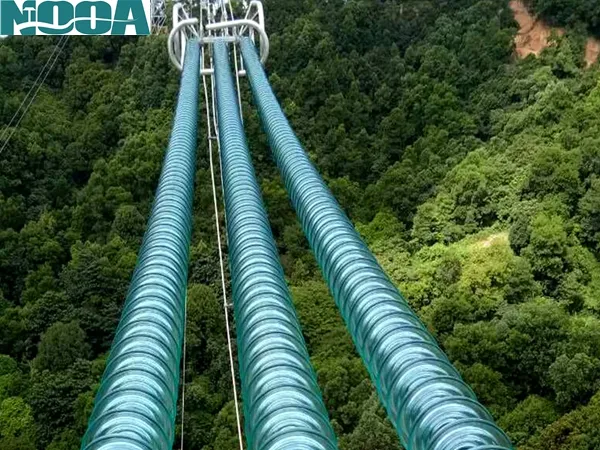
-
Reduced Dielectric Strength: Contamination reduces the insulator's ability to withstand electric stress, leading to flashover (sparking) and potential power outages.
-
Increased Leakage Current: Contaminants on the insulator surface, especially when wet, create a conductive path that allows leakage current to flow, further weakening the insulation.
-
Accelerated Aging: Excessive contamination, particularly with corrosive elements, can accelerate the aging and degradation of the insulator material.
-
Flashover: The combination of contamination and moisture can lead to flashover, a sudden breakdown of the insulator's electrical insulation, potentially causing a power outage.
9.What are the measures that can be taken to mitigate the effects of contamination on high voltage insulators?
To mitigate the effects of contamination on high-voltage insulators, a multi-pronged approach is recommended. This includes regular cleaning, applying protective coatings, and adjusting insulator designs to improve performance under contaminated conditions.
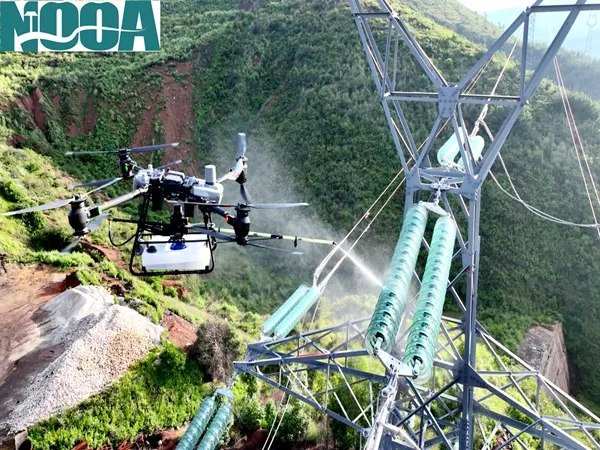
1. Cleaning and Maintenance:
Washing: Regularly washing insulators with deionized water to remove contaminants is a common practice.
Blasting: Using blasting techniques to remove organic material and other pollutants can be effective.
Visual Inspections: Regular visual inspections help identify signs of degradation and contamination early on.
2. Protective Coatings:
Silicone Grease/Coatings: Using silicone grease or coatings on insulators can create a water-repellent and arc-track-resistant surface, encapsulating pollutants and improving long-term performance.
Room Temperature Vulcanization (RTV) Silicone Coatings: These coatings, especially in highly contaminated areas, offer excellent dielectric properties and flexibility, helping to reduce flashover risks.
3. Design and Material Considerations:
Hydrophobic Surfaces: Employing silicone rubber materials or other hydrophobic surfaces on insulators can improve performance under pollution and reduce leakage currents.
Creepage Distance Optimization: Adjusting the creepage distance (the distance an electric field can travel across the insulator surface) can improve the insulator's ability to withstand contaminated conditions.
10.What are the differences between a glass insulator and other types of insulators?
Glass insulators stand out compared to other insulator types like ceramics and polymers due to their high dielectric strength, mechanical durability, and resistance to environmental factors. They offer superior electrical insulation and longer lifespans, contributing to a more sustainable and robust electrical system.
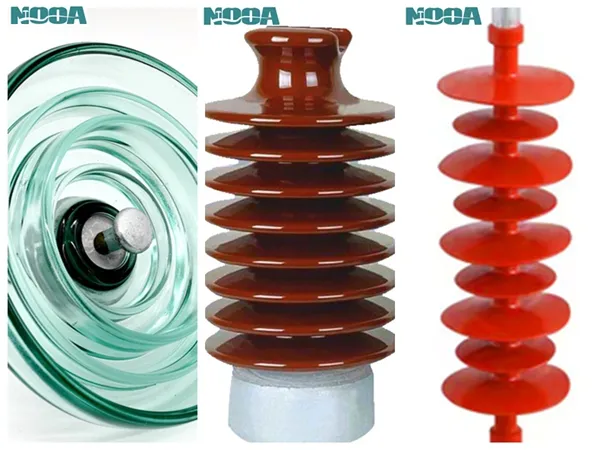
-
Dielectric Strength: Glass insulators boast a significantly higher dielectric strength than ceramics or polymers, meaning they can withstand higher electrical stress without failing. This makes them suitable for high-voltage applications where reliable insulation is crucial.
-
Mechanical Strength and Durability: Glass insulators are known for their mechanical strength, particularly their resistance to breaking and compressive stress. Their durability and long lifespan make them a reliable choice for long-term electrical infrastructure.
-
Environmental Resistance: Glass insulators are highly resistant to contamination, moisture, and temperature variations, making them suitable for various environments. Their low thermal expansion coefficient minimizes deformation due to temperature changes.
-
Manufacturing and Cost: While glass insulators offer superior performance, they can be more expensive and require specialized manufacturing processes compared to some other insulators.
11.What are the environmental benefits of using high-voltage glass insulators?
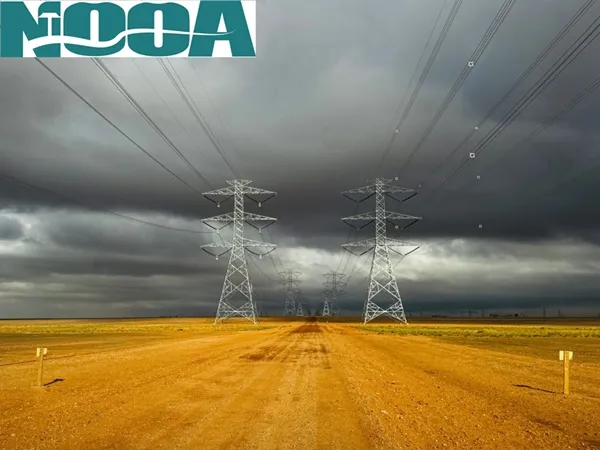
High-voltage glass insulators offer several environmental advantages, including a longer lifespan, recyclability, and reduced environmental impact compared to alternative materials like ceramic or composite insulators. Their durability and resistance to environmental degradation minimize waste and lower the consumption of natural resources. Additionally, they are easy to install and maintain, further reducing the environmental footprint associated with power transmission.
-
Reduced Environmental Impact: The use of glass insulators, especially in high-voltage applications, can minimize the need for other materials and processes, leading to lower environmental footprints.
-
Resistance to Environmental Degradation: Glass exhibits good resistance to weathering, pollution, and other environmental factors, contributing to its longevity and reducing the need for frequent replacements.
-
Lower Consumption of Natural Resources: Compared to materials like porcelain or some composite materials, glass insulators may require fewer raw materials and energy to manufacture, leading to reduced resource depletion.
-
Improved Performance in Polluted Environments: Glass insulators, particularly those with specific surface treatments, can exhibit superior performance in polluted environments, minimizing the risk of flashovers and power outages.
12.What do you know about China high-voltage glass insulator manufacturer-Nooa Electric?
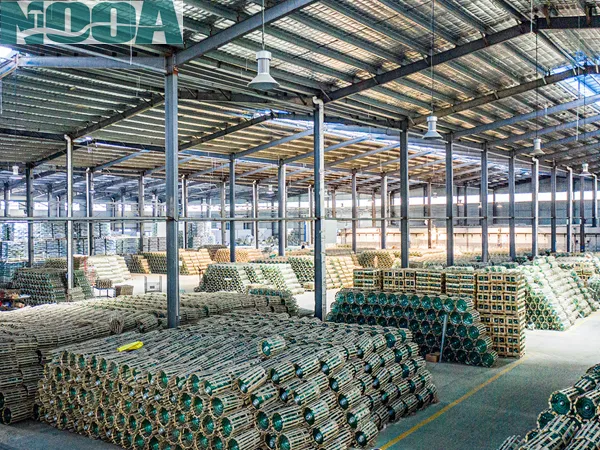
Nooa Electric is a major global manufacturer of glass insulators, used in power transmission lines and substations. These power line insulators prevent the flow of electricity between conductive components and grounded structures, ensuring safe and reliable power delivery. Nooa Electric is known for producing a wide range of glass insulators, including toughened glass insulators for high-voltage applications
-
Nooa Electric Co., Ltd. - China Leading Powerline Insulators Manufacturer With 22+ Experience.
-
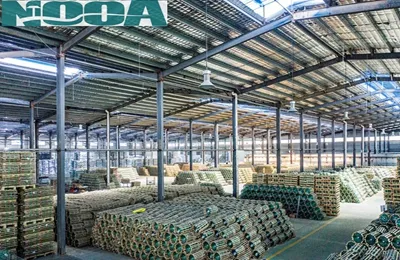
Self-own 70,000 ㎡toughened glass insulators factory. More Than 200 Employees, Including 25 Technicians.
-
Production Capacity : 10500000 Pieces Per Year with 2 New Kilns.
-
The Qualified Supplier For State Grid Corporation Of China And Southern State Grid Corporation Of China, And Is A Participating Unit Of Product Standard Formulation Of The National Electrical Insulator Standard Committee.
-
The range of suspension insulators produced in Nooa Electric complies with the main international and national standards: IEC, ANSI, ISO, TYPE TEST, INTERTEC.
13.What are the best high-voltage glass insulator solutions for different weathers and environments?
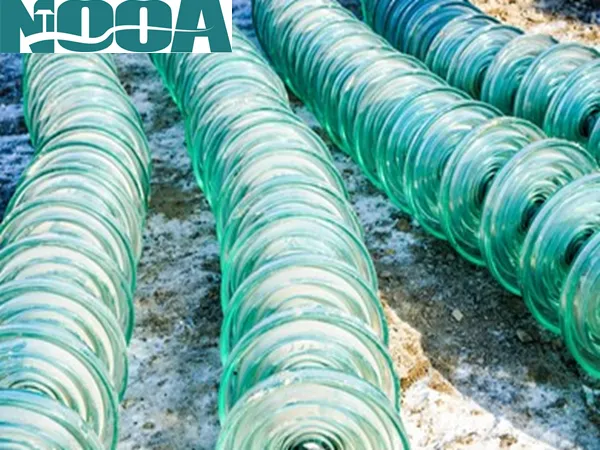
best glass insulator solutions are tailored to specific needs, ranging from protecting against pollution and severe weather to enhancing thermal insulation and addressing particular application requirements.
-
Polluted environments:Anti-pollution / Anti-fog profile powerline insulator
-
Desertic and industrial pollution environments:open profiles glass insulators
-
Extreme cold environments: standard type glass insulators
-
Regular environments:Standard profile glass insulator
14.What are the Main high-voltage glass insulators does Nooa Electric manufacture?
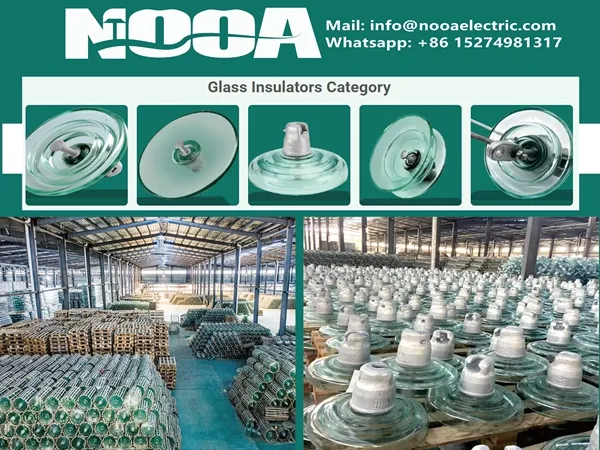
Nooa Electric manufactures various types of glass power line insulators, including standard profile, anti-pollution profile, and aerodynamic types, as well as multi-umbrella and ground wire insulators. The details as below
-
Standard-Type 40kn-550kn Glass Insulator (CTV254/CTV175/U40B/U70B/U120B/U160B/U210B/U300B)
-
Antipollution-Type 120kn-300kn Glass Insulators (U120bp/U160bsp/U210bp)
-
Aerodynamic Type Glass Electrical Insulators (Ug70bsa/U100bsa/U120bla)
-
Multi-Umbrella Type 120kn-300kn Toughened Glass Insulators
-
Ground-Wires Type Glass Power Line Insulators (U70cn/U100cn/U120c)