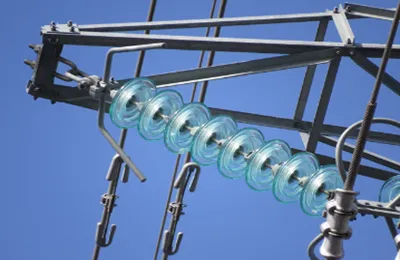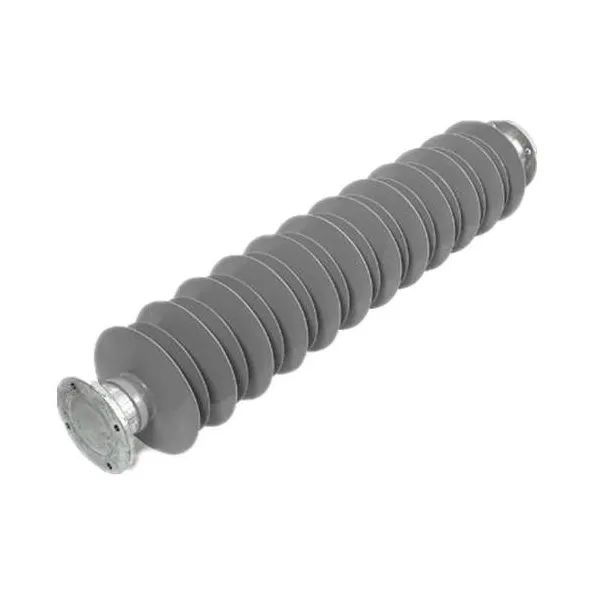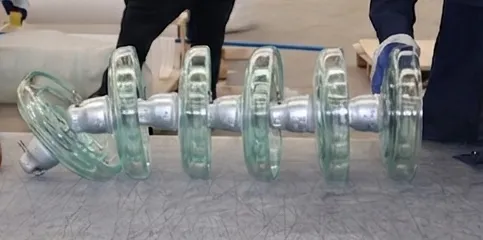
substation insulators, often referred to as substation bushings or insulator bushings, play a critical role in the electrical power transmission and distribution system. they are essential components in substations, which are facilities that transform high-voltage electricity into lower voltages for distribution to homes, businesses, and industries. substation insulators are used to support and insulate electrical conductors, such as power lines, from the grounded metal structures of the substation. here are some key aspects of substation insulators:
insulation function: the primary function of substation insulators is to electrically insulate conductors from the ground or grounded structures. they prevent electrical current from traveling along unintended paths, ensuring that electricity flows safely through the intended circuit.
material: substation insulators are typically made from materials with high dielectric strength, such as porcelain, glass, or composite materials. these materials can withstand high electrical voltages without breaking down and provide reliable insulation.
design: substation insulators come in various designs, including solid core insulators and composite insulators. solid core insulators consist of a single piece of insulating material, while composite insulators are made of multiple layers of materials.
mounting: substation insulators are mounted on various substation equipment, such as transformers, circuit breakers, and disconnect switches. they allow electrical conductors to pass through the grounded substation equipment without creating a short circuit.
voltage ratings: substation insulators are manufactured with specific voltage ratings to match the voltage levels in the substation. these ratings indicate the maximum voltage that the insulator can safely withstand.
creepage distance: creepage distance refers to the distance along the surface of the insulator from one end to the other. it plays a crucial role in preventing electrical discharge or flashover across the insulator surface, especially in polluted or wet conditions.
maintenance: regular maintenance of substation insulators is essential to ensure their continued effectiveness. cleaning and inspecting insulators for signs of contamination or damage are common maintenance activities.
environmental considerations: substation insulators must be designed to withstand various environmental factors, including temperature extremes, moisture, pollution, and uv radiation, as substations are often exposed to harsh outdoor conditions.
flashover prevention: to prevent flashovers (uncontrolled electrical discharges) across insulators, various measures may be taken, such as installing corona rings, using insulator sheds, and maintaining proper creepage distances.
safety: substation insulators play a vital role in electrical safety by isolating live conductors from the surrounding environment, ensuring the safety of personnel working in and around substations.
in summary, substation insulators are critical components in electrical substations that provide electrical insulation, prevent short circuits, and ensure the safe and reliable operation of power transmission and distribution systems. their design, material, and maintenance are essential factors in maintaining the integrity and safety of the electrical grid.
Who We Are?
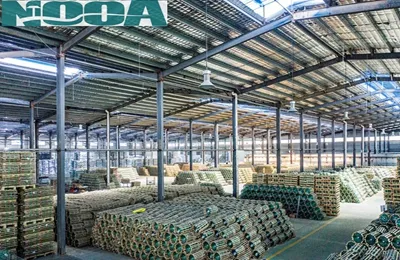
Nooa Electric Co., Ltd. - Chinese professional electrical insulators manufacturer with 21+ experience, covering an area of 70,000 square meters, and construction area is 50,000 square meters. There are more than 200 employees, including 25 technicians. The production capacity 3500000 pieces per year, and now setting up the new kiln and lines up to 10500000 pieces per year. We have been specialized in research and development of latest high-strength functional glass and power transmission insulators, which is the qualified supplier for State Grid Corporation of China and Southern State Grid Corporation of China, and is a participating unit of product standard formulation of the national electrical insulator standard committee.
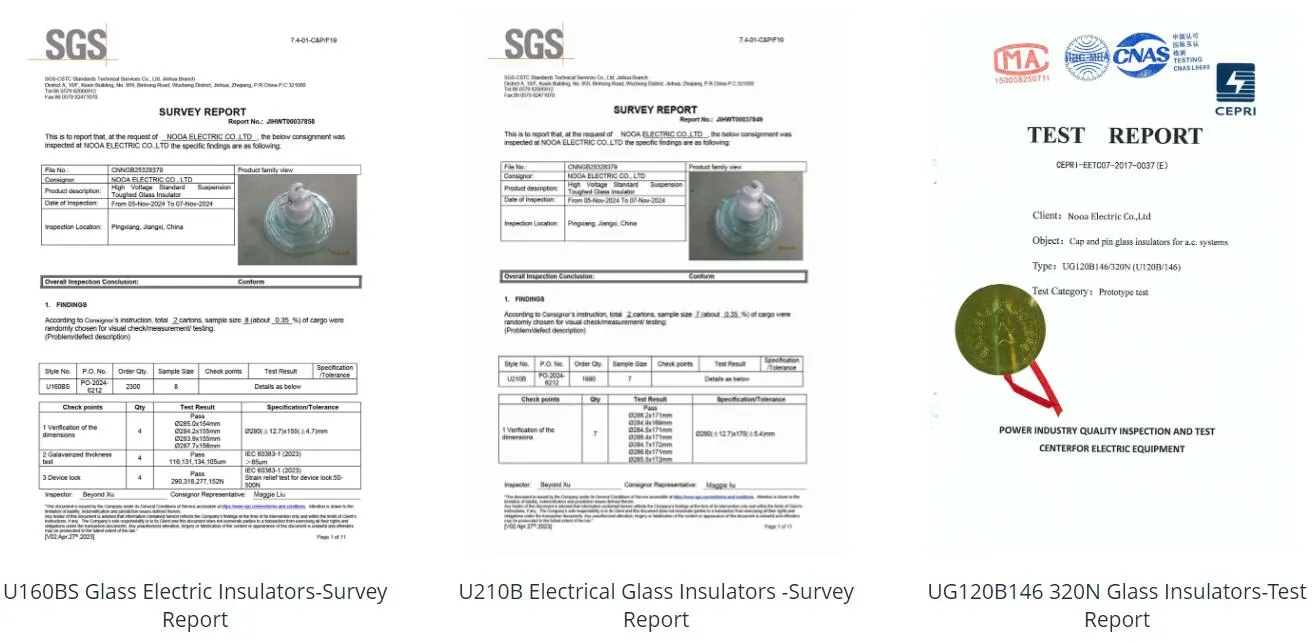
Certificates & Reports: INTERTK, SGS, BV Certificates,Type Test Certificate.
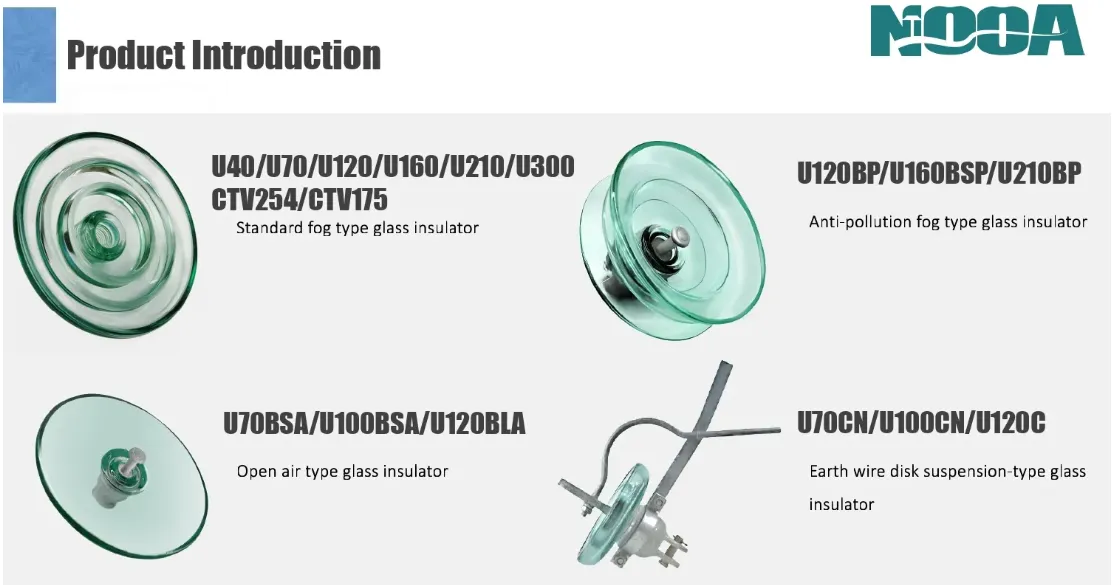
Main Electric Insulators : Standard-type glass insulator (u40(ctv175)/u70(ctv254, ps70e)/u120/u160/u210/u300) , antipollution-type glass insulators (u120bp/u160bsp/u210bp), aerodynamic type glass electrical insulators (ug70bsa/u100bsa/u120bla), multi-umbrella type electric insulators, ground-wires type glass power line insulators (u70cn/u100cn/u120c), post insulator for line, pin glass insulator. Products are mainly used for transmission line insulation, suspension, support, tension conductors. They are divided into 5 major series: The standard type glass insulator 40-550kn, filth-resistant type glass insulators 70-420kn, aerodynamic type glass electrical insulators 120-300kn, multi-umbrella type electric insulators 120-300kn, and ground circuit type high voltage insulators, able to be used for line voltage from 10kv~1000kv.
Core Technology:
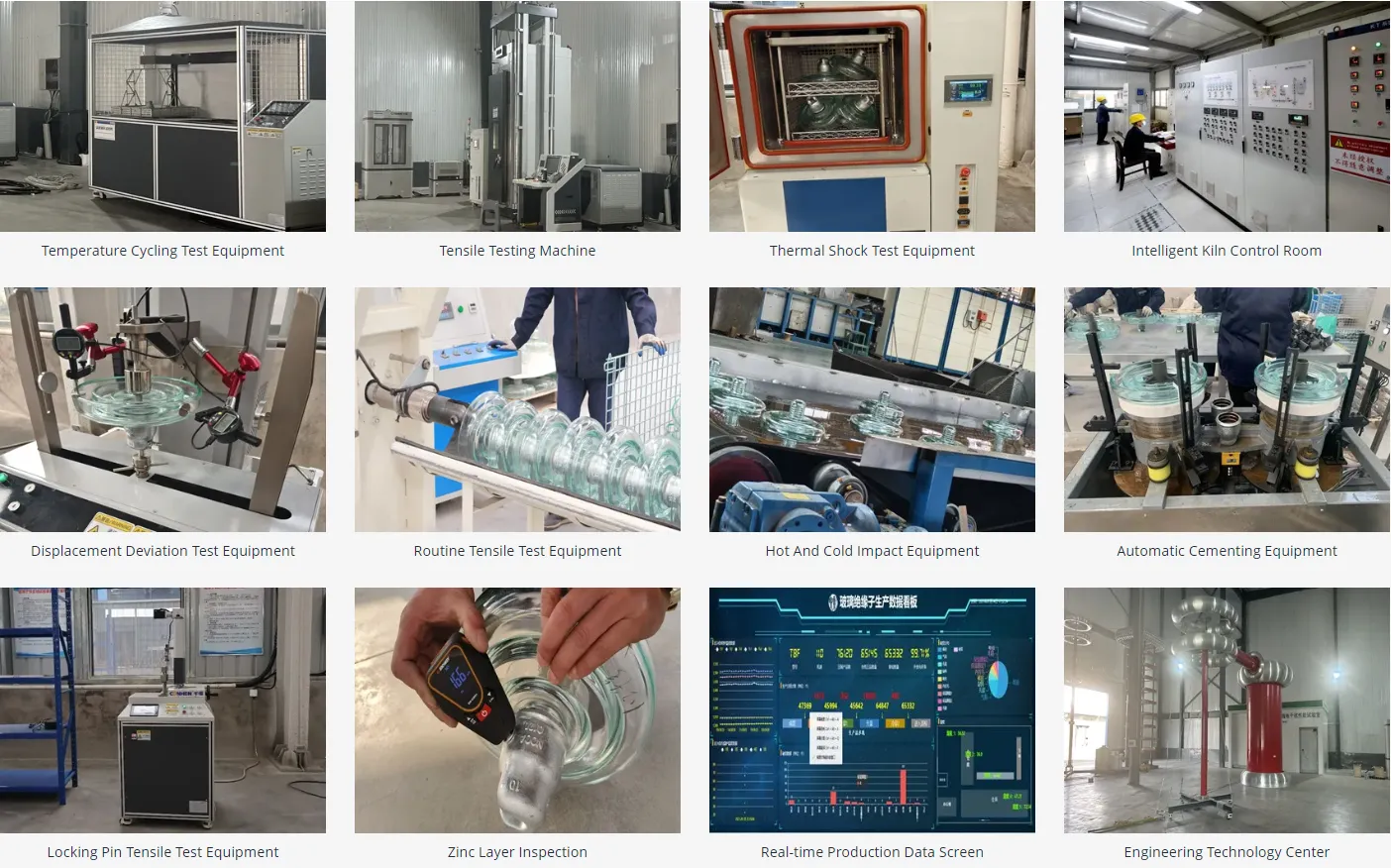
Automation Equipment: Siemens fully automatic feeding, stamping, temperature equalization, tempering, hot and cold shock control system.
Independent Product Model: U160BP/146/380/450, U160BP/155/380/450, U210BP/170/420/550 and U300BP/195/420/550.
Advanced Klin: Germany's new generation kiln control system, equipped with brand-new sensors and actuators, and equipped with a high-precision automatic batching system.
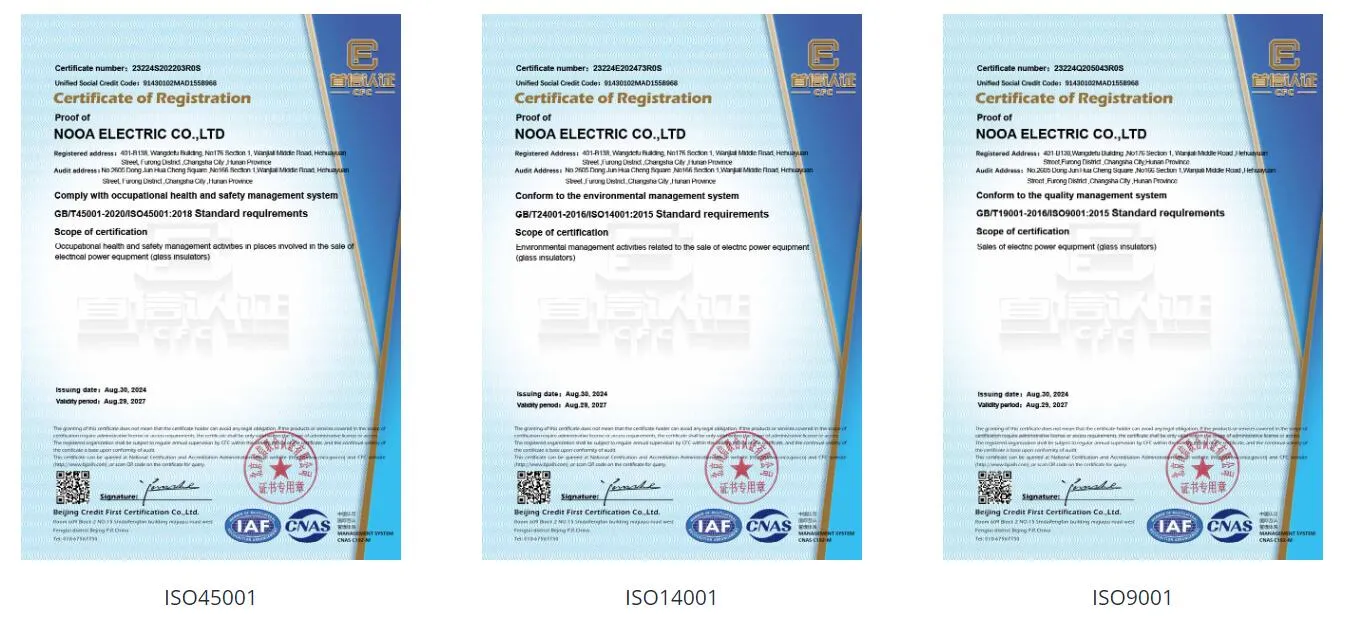
Qualification: Passed the quality, environment and occupational health system certification and obtained a number of invention patents.
Goal:
To be the world's largest glass insulators manufacturer.