CTV254 CTV175 U120B U160BSP Glass Electrical Insulators for Sale

CTV254 CTV175 U120B U160BSP Glass Electrical Insulators for Sale

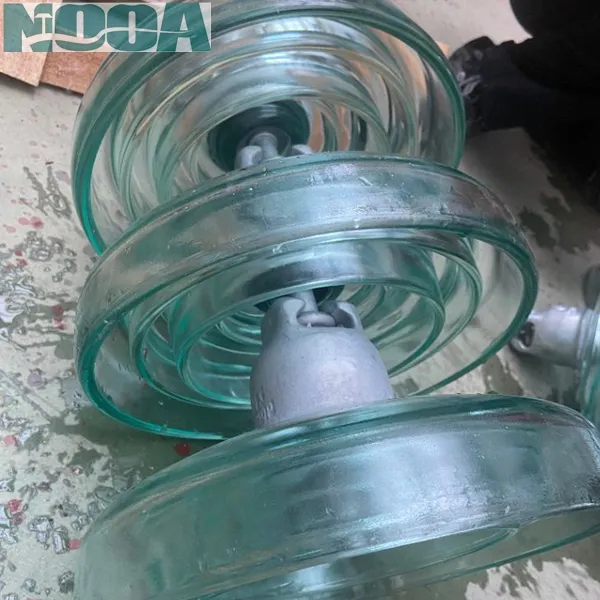
Zero-value self-breakage is a typical characteristic of glass insulators. It refers to the automatic shattering of the glass insulator's skirt when it becomes a zero-value insulator. Maintenance personnel can easily spot self-broken insulators from a distance.
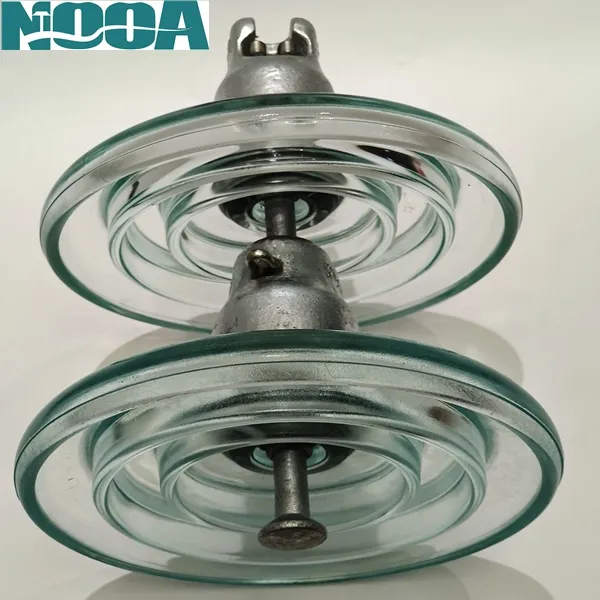
  • Product Details
  • Company
  • Product FAQ

What Are the Typical Characteristics of Glass Insulators: Zero-Value Self-Breakage

Zero-value self-breakage is a typical characteristic of glass insulators. It refers to the automatic shattering of the glass insulator's skirt when it becomes a zero-value insulator. Maintenance personnel can easily spot self-broken insulators from a distance.
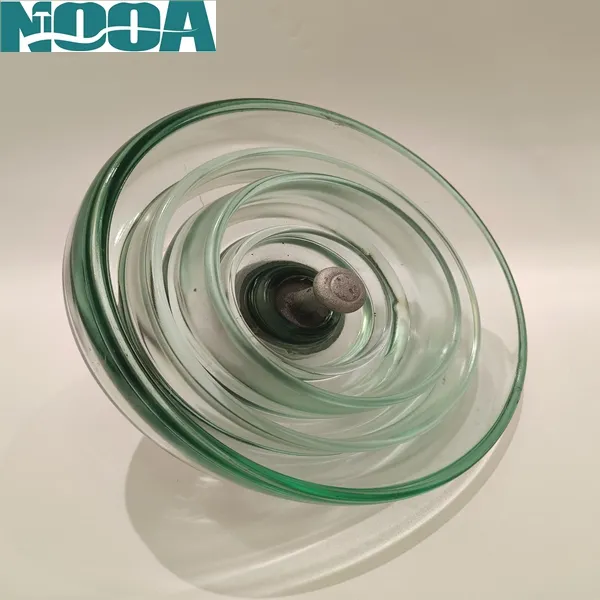
1. Mechanism of Glass Insulator Self-Breakage:
The glass component of a glass insulator is made of tempered glass, characterized by surface compressive stress and internal tensile stress. These stresses result from temperature changes during the manufacturing process. When the glass component is heated to its softening temperature (760–780°C) and then rapidly cooled, the surface layer contracts due to rapid cooling, while the internal temperature remains high and in an expanded state. This causes the surface layer’s contraction to be constrained, leaving compressive stress on the surface. As the internal temperature drops and the internal layer starts to contract, the hardened surface layer resists this contraction, generating tensile stress inside. These stresses become permanent after complete cooling and the disappearance of the temperature gradient. When the balance between the compressive and tensile stresses in the glass is disrupted, cracks can rapidly develop under stress, leading to the shattering of the glass component, known as self-breakage.

2. Characteristics of Glass Insulator Self-Breakage:
1) Early Exposure and Gradual Decline: Unlike the aging rate of ceramic and composite insulators, glass insulators exhibit "early exposure and gradual decline" in self-breakage rates. Across different production lines used in China's transmission networks, self-breakage typically peaks in the initial 1–3 years of operation and then gradually decreases, stabilizing over time.

2) Analysis of Self-Breakage Locations: The distribution of self-breakage locations in the insulator string was analyzed, ranging from the conductor end to the tower end. Most self-breakage incidents occur at the conductor and tower ends of the string, with fewer in the middle. The distribution of self-breakage along the string generally forms a "saddle shape," which closely aligns with the electric field distribution on the insulator surface. This indicates that electric field intensity significantly impacts self-breakage.
Higher voltage levels result in stronger electric fields at the same location, increasing the likelihood of self-breakage. To address this, grading rings are installed at the ends of insulator strings to improve the electric field distribution and reduce the deterioration rate of the first insulator.

3) Low Risk of String Failure: For disk-type suspension insulators, string failures mostly occur with ceramic insulators, while glass insulators rarely experience string failure.
In ceramic insulators, defects like micro-cracks in the headpiece can allow moisture ingress during operation, reducing the insulation resistance (resulting in a zero-value insulator). If the insulator string is struck by lightning or experiences flashover for other reasons, most of the discharge energy flows through the headpiece due to its low resistance, causing the ceramic insulator to explode and result in string failure.

In contrast, self-breakage in glass insulators does not cause conductor drop incidents. This is because:

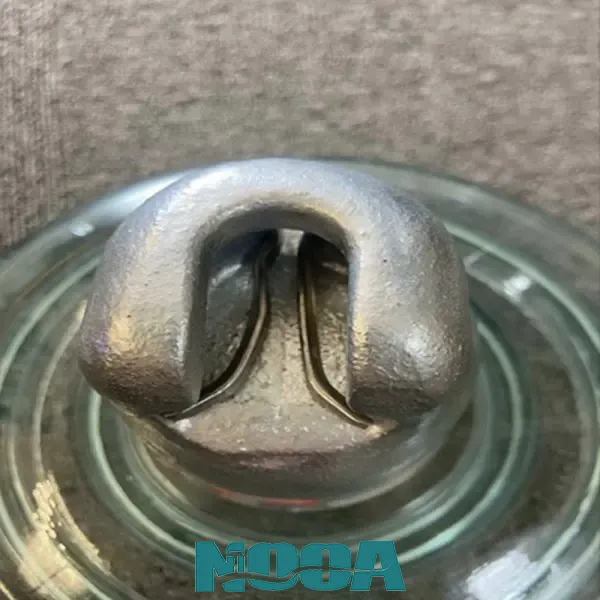
The shattered glass pieces from the skirt or head remain wedged tightly in the iron cap due to the expansion force from self-breakage, retaining sufficient residual strength to keep the string intact and prevent conductor drop. The discharge channel connects directly from the edge of the iron cap to the steel pin shaft, avoiding insulator explosion or conductor drop accidents. However, if moisture enters the head of a glass insulator, significantly reducing its resistance, increased discharge energy through the headpiece can lead to an explosion and potential string failure, particularly if the short-circuit discharge current is high. Therefore, self-broken glass insulators with 'zero-value self-breakage' should be replaced promptly to reduce the risk of string failure.

4) Safety Hazards from Shattered Fragments:
While zero-value self-breakage has many advantages, it also has a drawback: the shattered glass fragments can pose safety hazards, especially in densely populated areas such as cities. For this reason, some power grid companies recommend using ceramic insulators in urban or high-traffic areas.
basic type figure no. minimum mechanical failing load(kn) nominal diameter d(mm) nominal spacing p(mm) nominal creepage distance (mm) standard coupling wet power frequency withstand voltage (kv) dry lightning impulse withstand voltage (kv) power frequency puncture voltage (kv) radio interference voltage (μ v) 10kv 1mhz corona visual test p/c kv power frequency electric arc voltage impulse puncture voltage (p.u) net weight (kg)

u40b

1-3 40 178 110 190 11 25 50 90 50 18/22 0.12s/20ka 2.8 2.1
u70bs 1-3 70 255 127 320 16 40 100 130 50 18/22 0.12s/20ka 2.8 3.5
u70bl 1-3 70 255 146 320 16 40 100 130 50 18/22 0.12s/20ka 2.8 3.6
u100bs 1-3 100 255 146 320 16 40 100 130 50 18/22 0.12s/20ka 2.8 4
u120b 1-3 120 255 146 400 16 40 100 130 50 18/22 0.12s/20ka 2.8 4
u160bs 1-3 160 280 146 400 20 45 110 130 50 18/22 0.12s/20ka 2.8 6.5
u160bm 1-3 160 280 155 400 20 45 110 130 50 18/22 0.12s/20ka 2.8 6.6
u160bl 1-3 160 280 170 400 20 45 110 130 50 18/22 0.12s/20ka 2.8 6.7
u210b 1-3 210 280 170 400 20 45 110 130 50 18/22 0.12s/20ka 2.8 7.2
u240b 1-3 240 280 170 400 20/24 45 110 130 50 18/22 0.12s/20ka 2.8 7.2
u300b 1-3 300 320 195 485 24 50 130 130 50 18/22 0.12s/20ka 2.8 10.6
u420b 1-3 420 360 205 550 28 80 140 140 50 18/22 0.12s/20ka 2.8 16
u550b 1-3 550 380 240 600 32 55 140 140 50 18/22 0.12s/20ka 2.8 21.5

CTV254

(PS70E)

1-3
70
255
127
320
16
40
100
130
130
18/22
0.12s/20ka
2.8
3.5
CTV175
1-3
40
178 110 190 11 25 50 90 50 18/22 0.12s/s20ka 2.8 2.1

note:
1. the product model is in accordance with gb/t 7253-2005 and jb/t 9683-2012 (iec60305:1995, mod). the 420kn strength grade product contains 400kn strength grade, and the 550kn strength grade product contains 530kn strength grade.

2. the connection structure is in accordance with gb/t 4056-2008 (iec60120: 1984, mod) and bs 3288 part

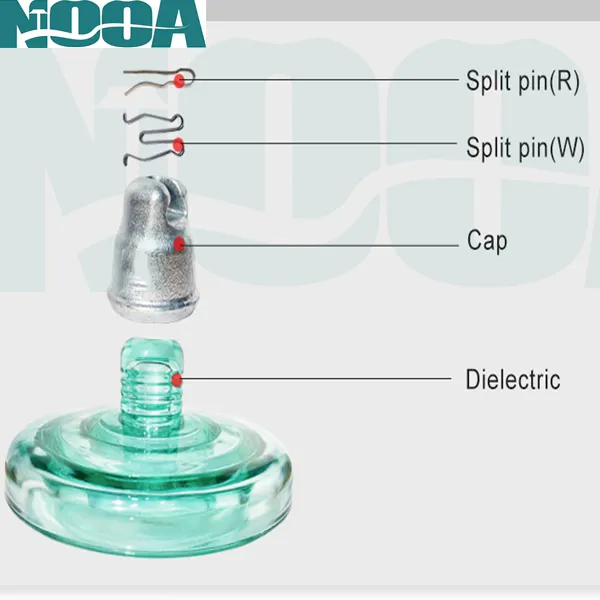
3. according to the customer's request, the locking pin can be w-pin or r-pin. unless otherwise specified, u70~u120 adopts w pin, and other uses r pin.

4. black marks are hot sellers-your best Glass insulators choice for overhead power lines

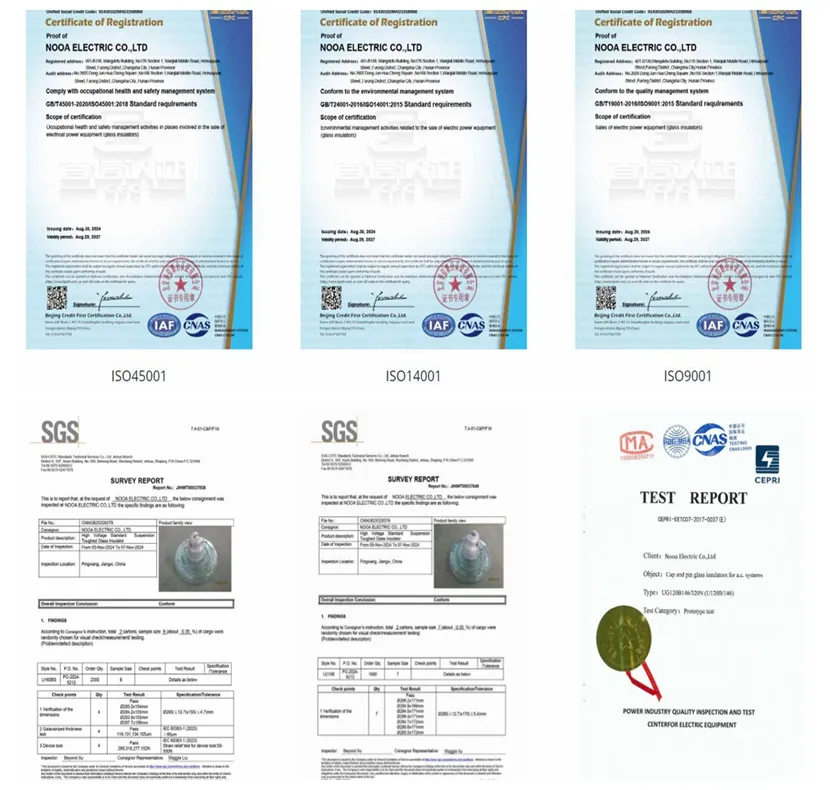
Toughened Glass Insulators' Certificates & Reports

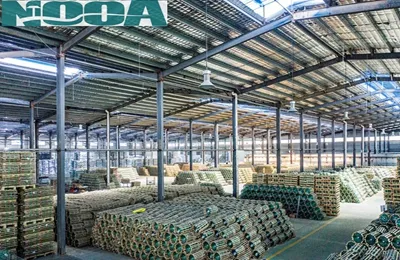
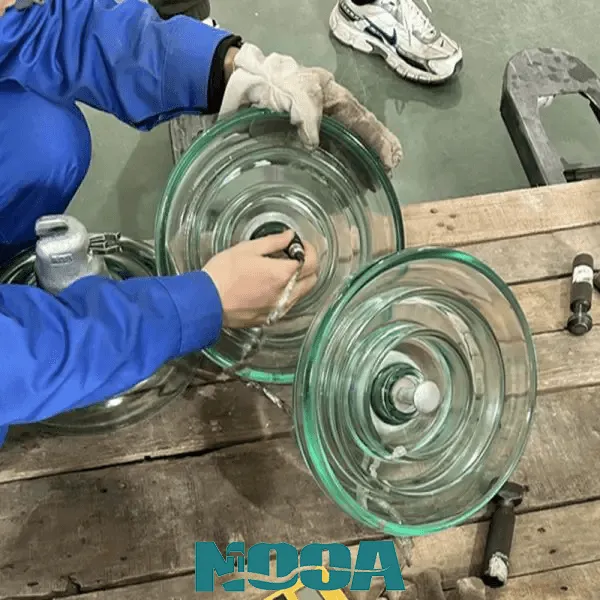
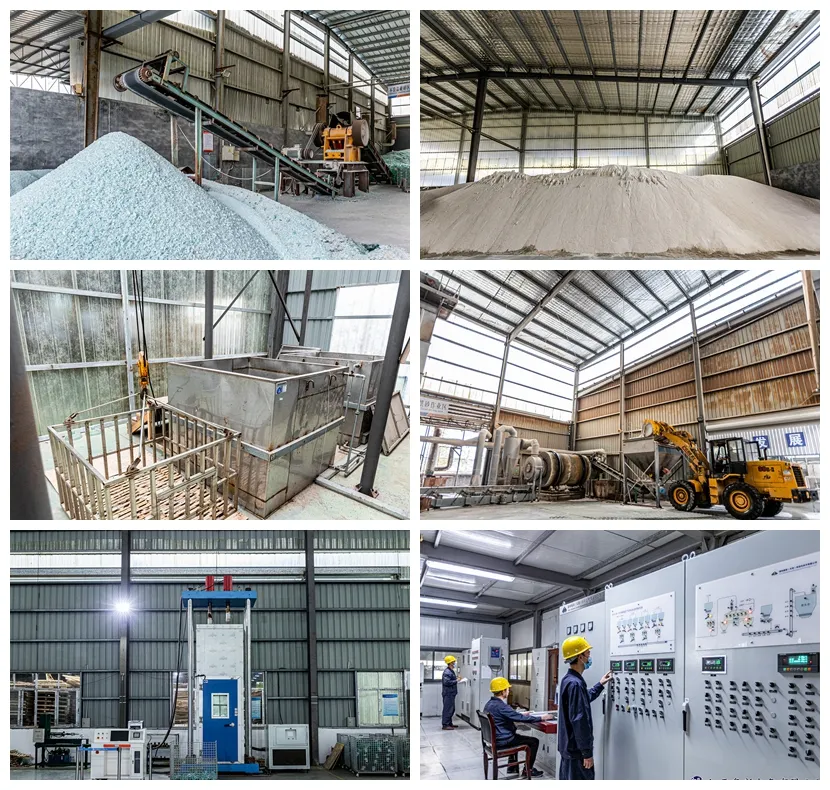
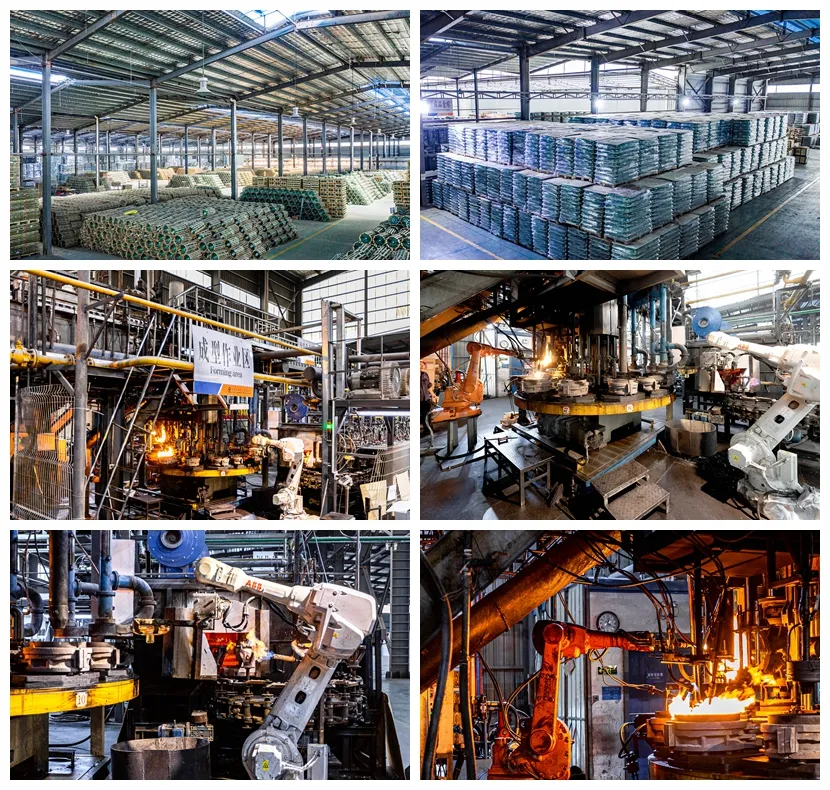
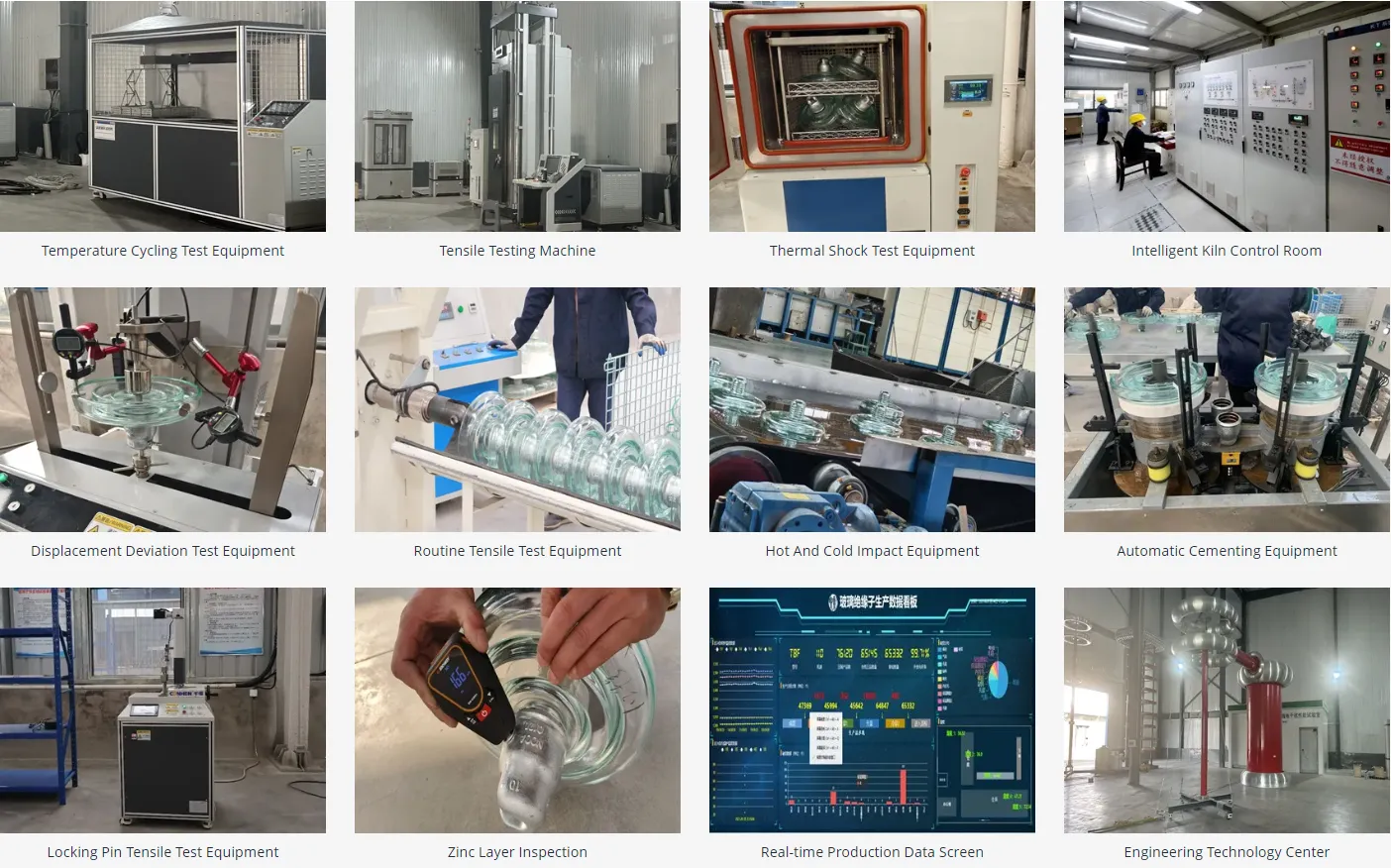
High Voltage Insulator Factory

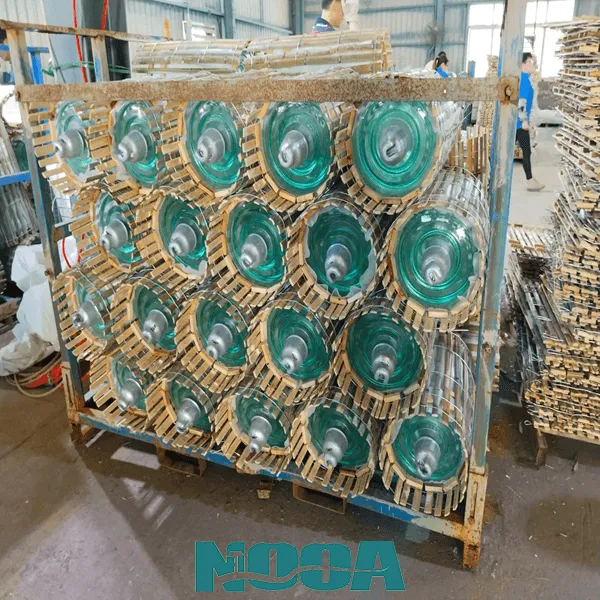
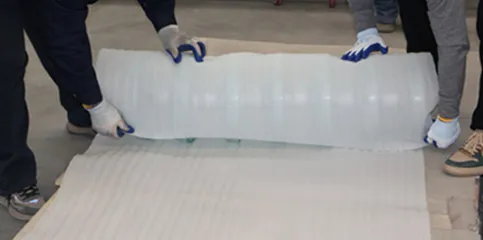
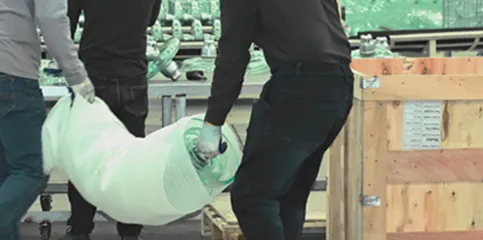
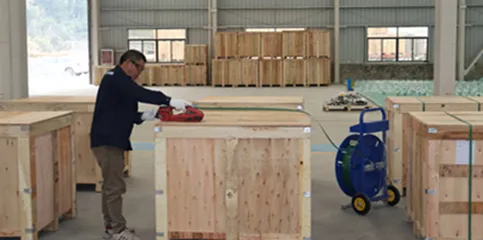
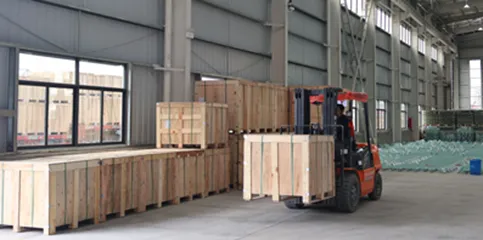
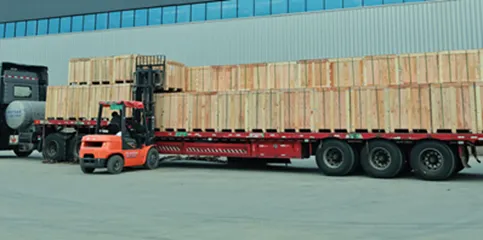
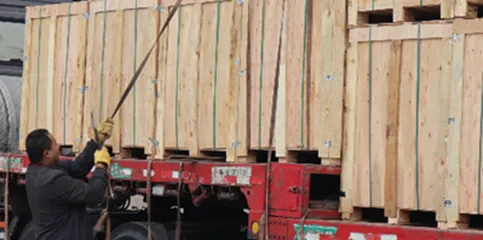
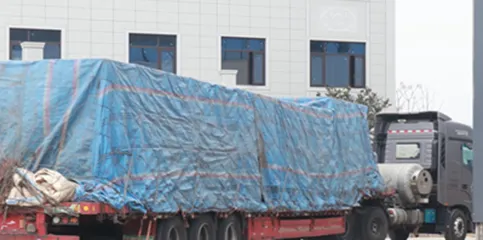
 Electric Glass Insulator Packing

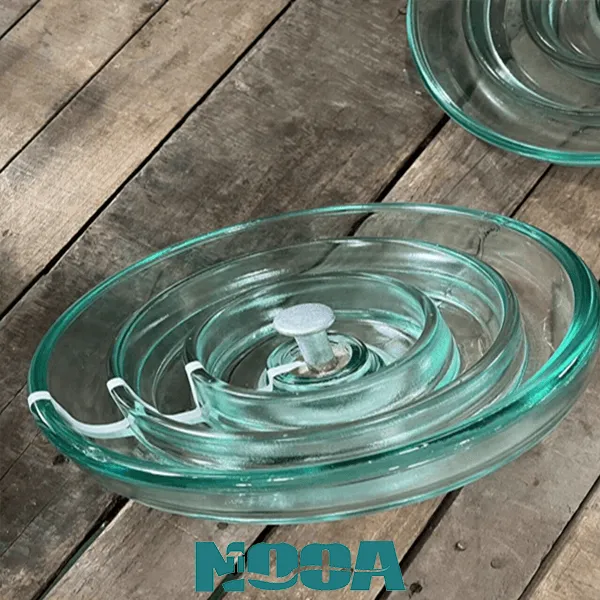
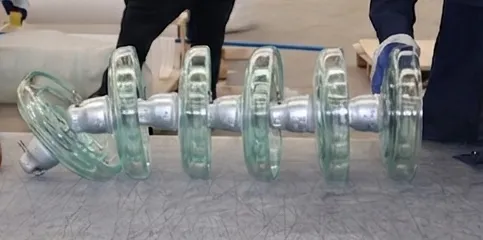
electric glass insulators

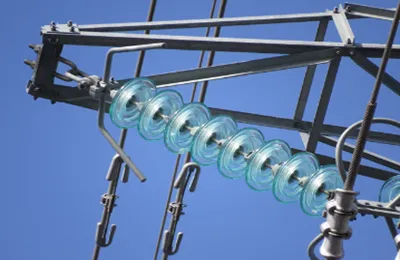
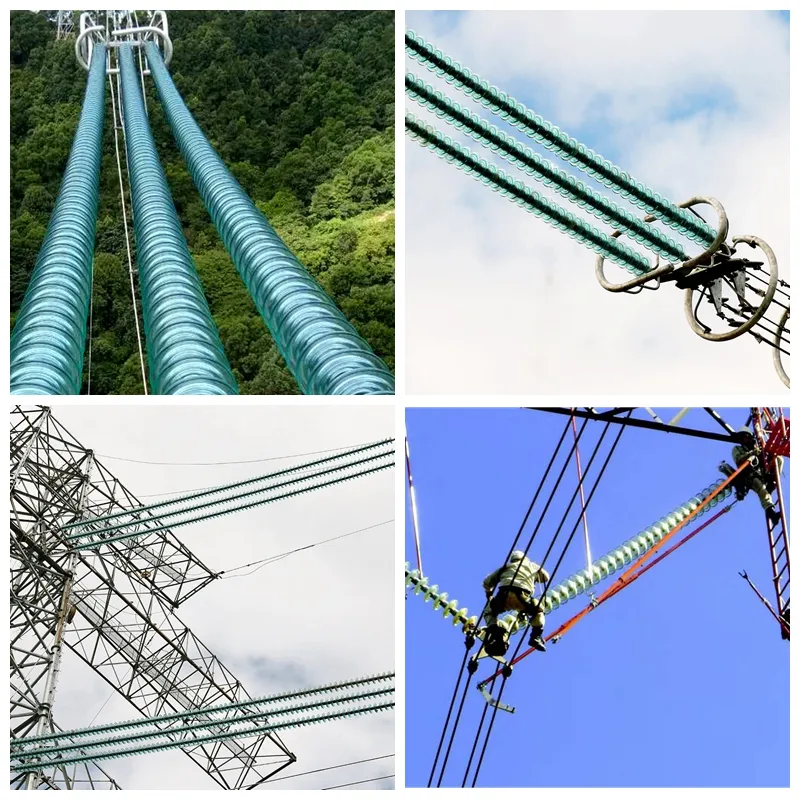
 Electric Glass Insulator Application

Glass Insulators Packing

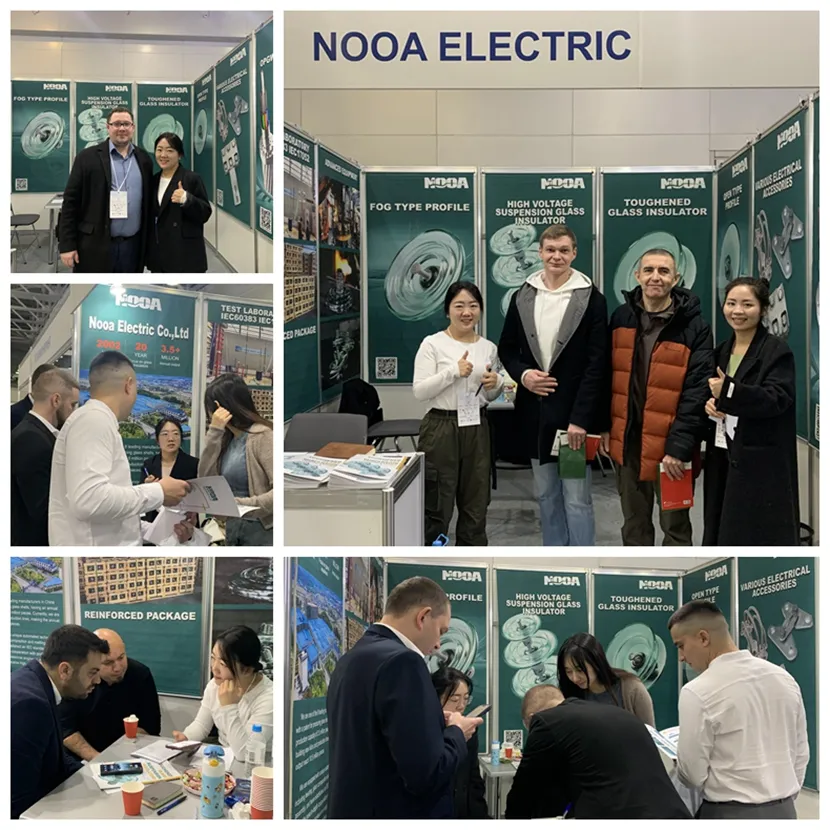
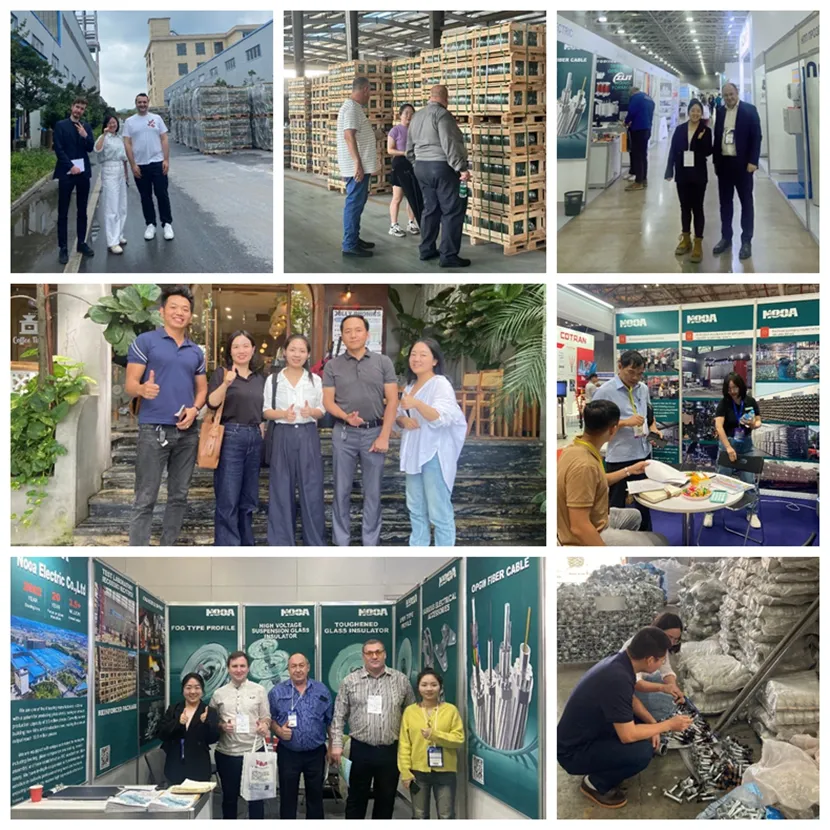
Toughened Glass Insulator Exhibitions & Clients

Glass Electrical Insulators Glass Electrical Insulators

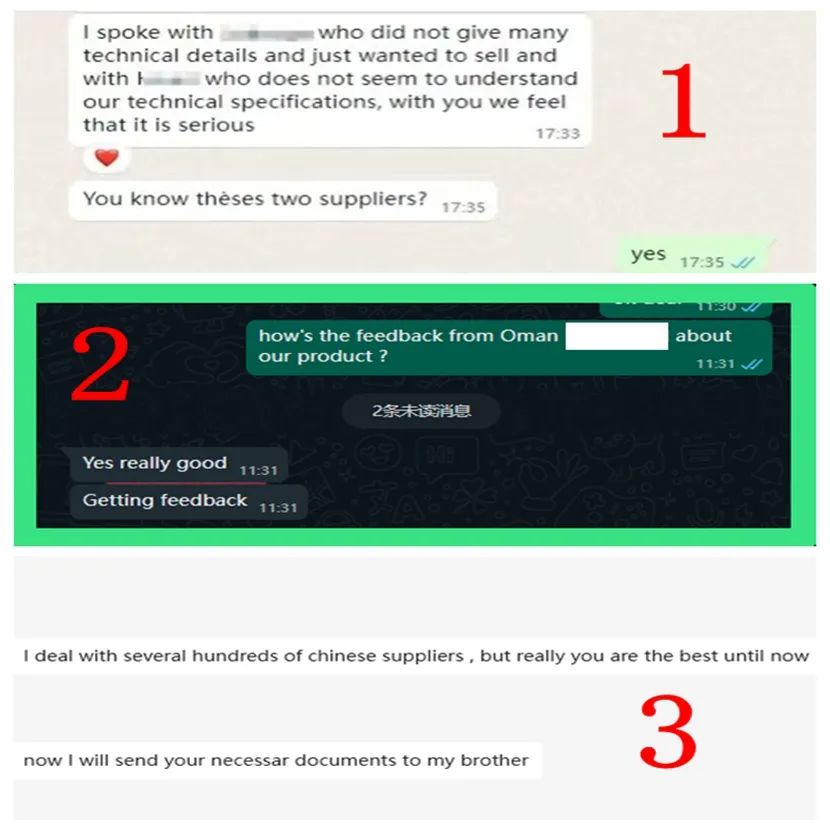
What Our Clients Say

Glass Electrical Insulators
Company profile

Who We Are?

Nooa Electric Co., Ltd. - Chinese professional electrical insulators manufacturer with 21+ experience, covering an area of 70,000 square meters, and construction area is 50,000 square meters. There are more than 200 employees, including 25 technicians. The production capacity 3500000 pieces per year, and now setting up the new kiln and lines up to 10500000 pieces per year. We have been specialized in research and development of latest high-strength functional glass and power transmission insulators, which is the qualified supplier for State Grid Corporation of China and Southern State Grid Corporation of China, and is a participating unit of product standard formulation of the national electrical insulator standard committee.


What We Have?

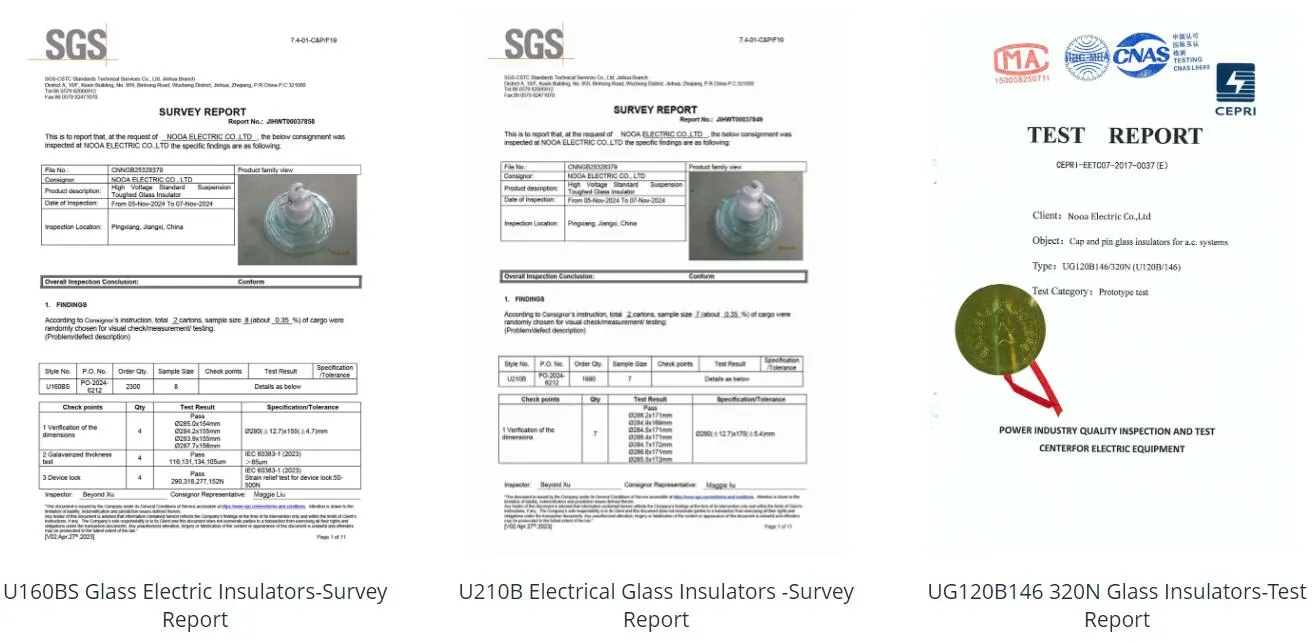
Certificates & Reports: INTERTK, SGS, BV Certificates,Type Test Certificate.

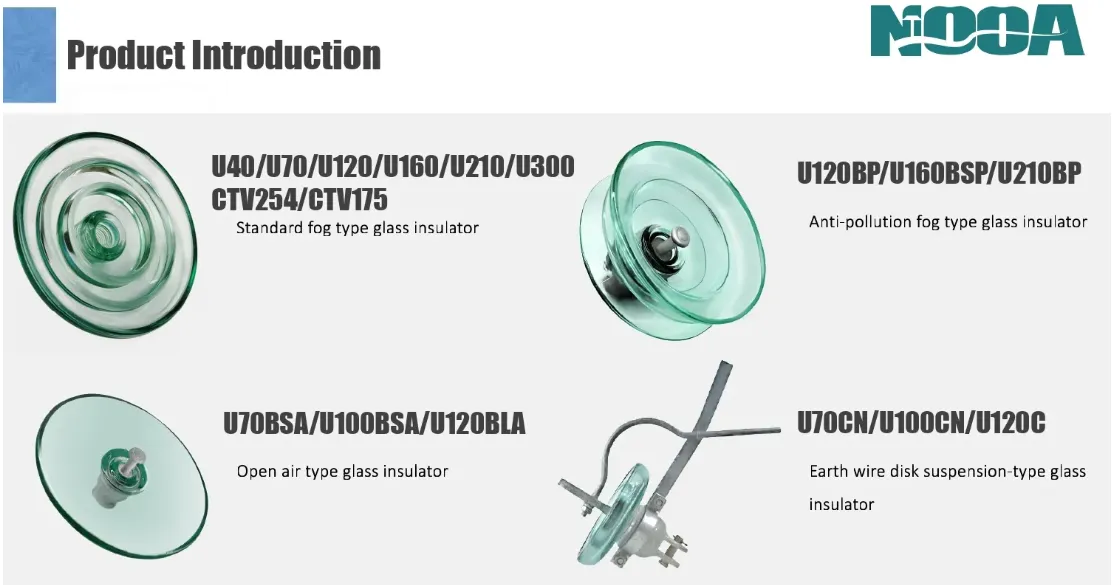
Main Electric Insulators : Standard-type glass insulator (u40(ctv175)/u70(ctv254, ps70e)/u120/u160/u210/u300) , antipollution-type glass insulators (u120bp/u160bsp/u210bp), aerodynamic type glass electrical insulators (ug70bsa/u100bsa/u120bla), multi-umbrella type electric insulators, ground-wires type glass power line insulators (u70cn/u100cn/u120c), post insulator for line, pin glass insulator. Products are mainly used for transmission line insulation, suspension, support, tension conductors. They are divided into 5 major series: The standard type glass insulator 40-550kn, filth-resistant type glass insulators 70-420kn, aerodynamic type glass electrical insulators 120-300kn, multi-umbrella type electric insulators 120-300kn, and ground circuit type high voltage insulators, able to be used for line voltage from 10kv~1000kv.


Core Technology:

Automation Equipment: Siemens fully automatic feeding, stamping, temperature equalization, tempering, hot and cold shock control system.
Independent Product Model: U160BP/146/380/450, U160BP/155/380/450, U210BP/170/420/550 and U300BP/195/420/550.
Advanced Klin: Germany's new generation kiln control system, equipped with brand-new sensors and actuators, and equipped with a high-precision automatic batching system.
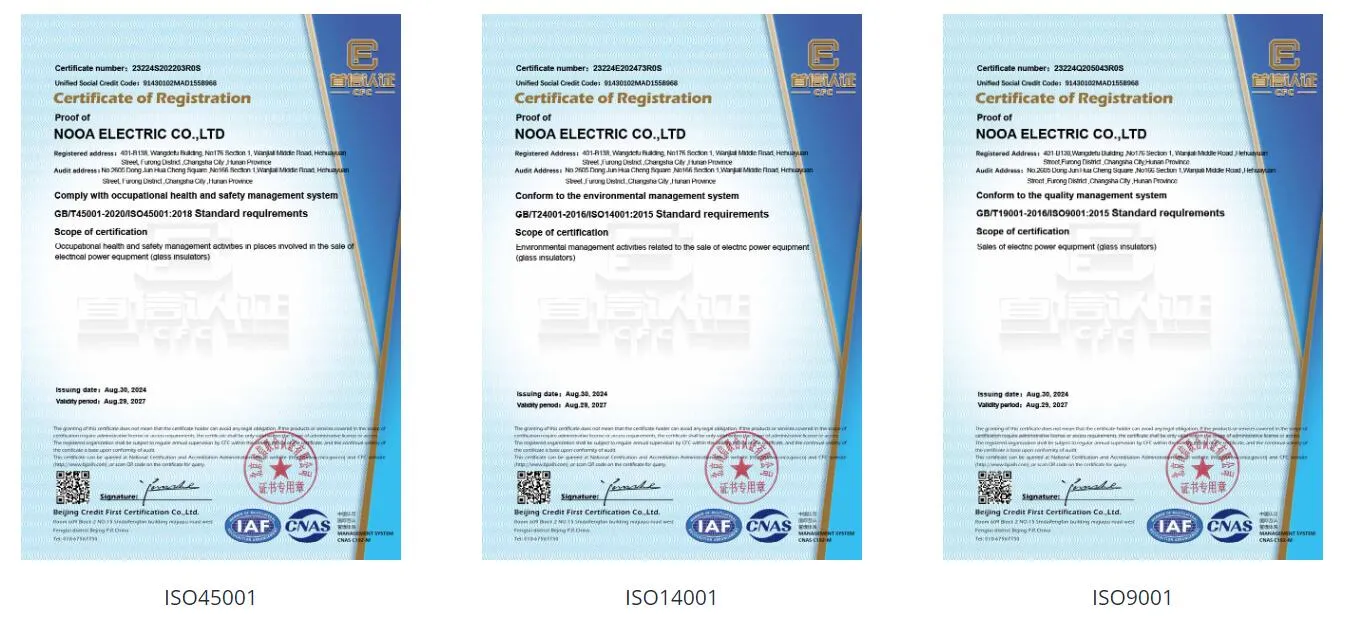
Qualification: Passed the quality, environment and occupational health system certification and obtained a number of invention patents.


Goal:

To be the world's largest glass insulators manufacturer.

Electric Insulators Certificates

Are u the electric insulators factory or trading company?
China Leading Electric Insulators Factory founded in 2002
What're your main power insulators?
Powerline Electric Insulators (glass insulators, porcelain insulators, composite insulators ), the fittings and hardwares of all kinds for high-voltage applications and related products.
Can I get some glass insulators samples?
Yes, powerline glass insulator sample order is available for quality check and market test.
What's your payment terms?
We usually accept all kinds of payment terms, T/T, L/C, Western Union.
How can you control your glass power line insulator quality?
For each glass insulator production processing, we have a complete QC system for the chemical composition, physical and electrical properties. After production, all glass power line insulators will be tested according to related standards, and the ex-factory test reports will be sent along with shipment documents.
Does your company accept customization?
We accept OEM service.
What's your warranty terms?
We offer 24 months warranty terms.
Do you have glass electrical insulators in stock?
Depends on your request, we have standard models (CTV254 & CTV175, U40B U70B U120B U160BL U240B U300B ) in stock. Some special product and big order will be newly produced according to your order.

Inquiry Online

Recommended Products

We use cookies and other tracking technologies to improve your browsing experience on our website, to show you personalized content and targeted ads, to analyze our website traffic, and to understand where our visitors are coming from.