What Is U70BS Glass Insulator?
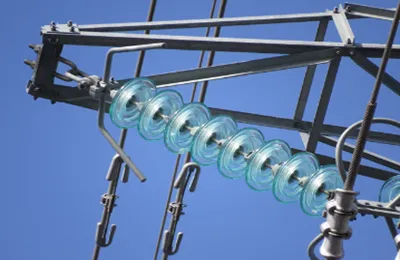
the u70bs glass insulator is a high-voltage insulator used for the insulation and fastening of wires and thunder-proof cables on power transmission lines and in switchgears. it has a mechanical failing load of 70 kn and is designed to withstand high-voltage applications.
the insulator is made of toughened glass material and is part of the suspension insulator structure. it is a type of cap and pin insulator and is used for high-voltage power transmission, insulation, and electrical installation.
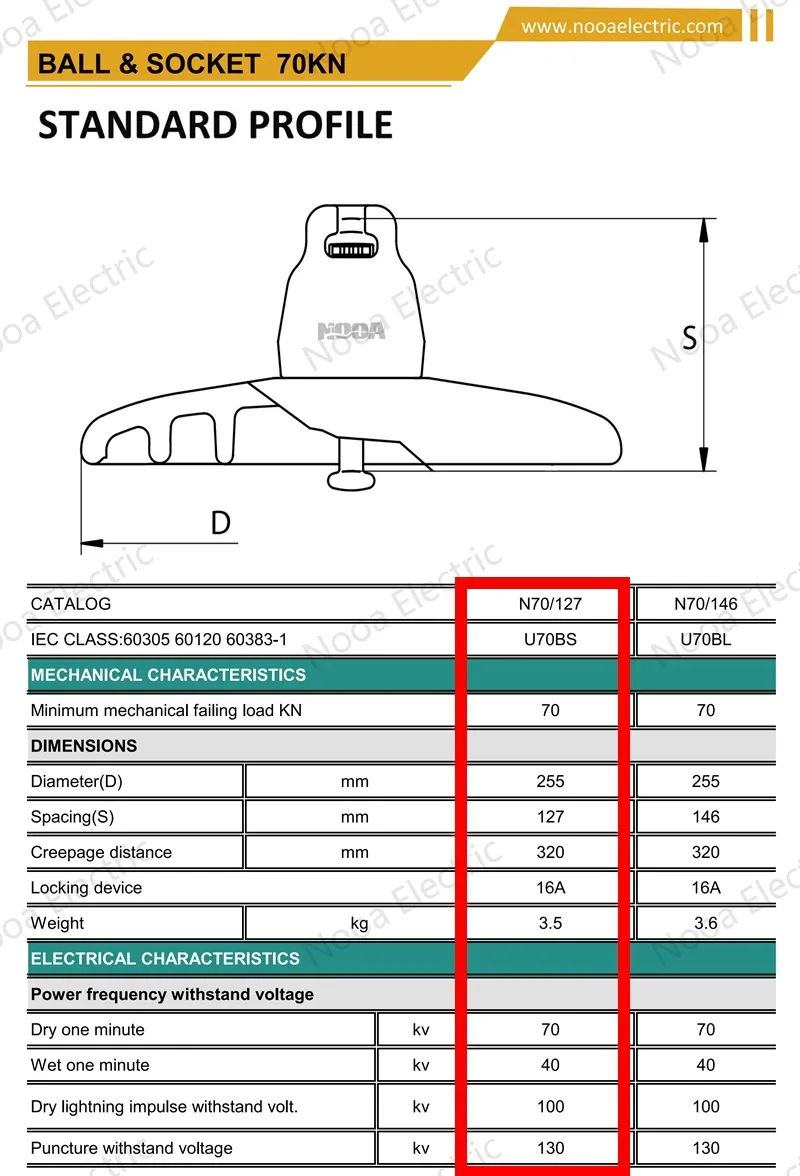
the u70bs insulator has a standard coupling of 16 mm and a creepage distance of 320 mm. it is designed and tested according to iec standards and is suitable for various high-voltage and high-temperature applications.
U70BS is a toughened glass suspension insulator designed for overhead transmission and distribution lines, featuring a 70 kN mechanical strength rating and ball-and-socket coupling system.
The U70BS glass insulator belongs to the family of cap-and-pin suspension insulators used in electrical transmission systems. It consists of three primary components:
Toughened glass insulating disc
Galvanized steel cap
Forged steel pin
Cement bonding material
The designation "U70BS" is commonly interpreted as:
U = Suspension insulator
70 = Specified Mechanical Failing Load (70 kN)
B = Ball-and-socket coupling
S = Standard profile
These insulators are connected in strings to achieve the required insulation level for different voltage classes.
Typical applications include:
11kV transmission lines
33kV overhead lines
66kV substations
132kV transmission projects
Utility distribution networks
Rural electrification projects
Why Is Toughened Glass Used in U70BS Insulators?
Toughened glass provides superior mechanical strength, excellent dielectric properties, and visible failure indication.
Compared with conventional porcelain insulators, toughened glass offers several operational advantages.
1.Higher Mechanical Reliability
The thermal tempering process creates compressive stress on the glass surface, improving impact resistance and mechanical strength.
2.Excellent Electrical Insulation
Glass exhibits very low electrical conductivity and stable insulation performance under varying environmental conditions.
3.Self-Shattering Detection
One of the most valued advantages of toughened glass insulators is their self-indicating failure mechanism.
When internal damage occurs:
The glass shell shatters automatically.
The steel cap and pin remain connected.
Maintenance crews can identify damaged units visually from a distance.
This feature significantly reduces inspection costs for utility operators.
Advantages of U70BS Glass Insulators for EPC Projects
U70BS insulators provide cost-effective performance, standardized specifications, and easy maintenance for large-scale transmission projects.
1.Global Standardization
U70BS is widely recognized in international utility standards and tender documents.
Benefits include:
Easy sourcing
Simplified engineering design
Reduced spare-parts inventory
International compatibility
2.Suitable for Harsh Environments
U70BS toughened glass insulators can operate reliably in:
Coastal regions
Desert environments
Tropical climates
Industrial pollution zones
High-altitude transmission corridors
Reliable Quality Assurance
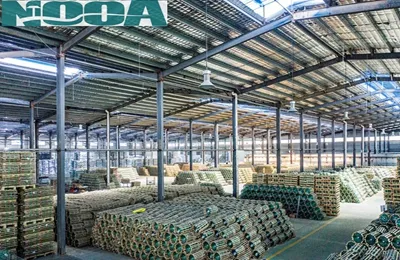
Manufacturers such as Nooa Electric implement strict quality-control procedures, including routine mechanical testing, electrical testing, thermal-mechanical performance verification, and dimensional inspections to meet international utility requirements.
Common Applications of U70BS Glass Insulators
U70BS units are commonly used in distribution and transmission systems ranging from medium-voltage to high-voltage networks.
Typical applications include:
Utility transmission lines
National grid projects
Renewable energy substations
Solar power evacuation lines
Wind farm transmission systems
Rural electrification projects
Railway electrification networks
Industrial power distribution systems
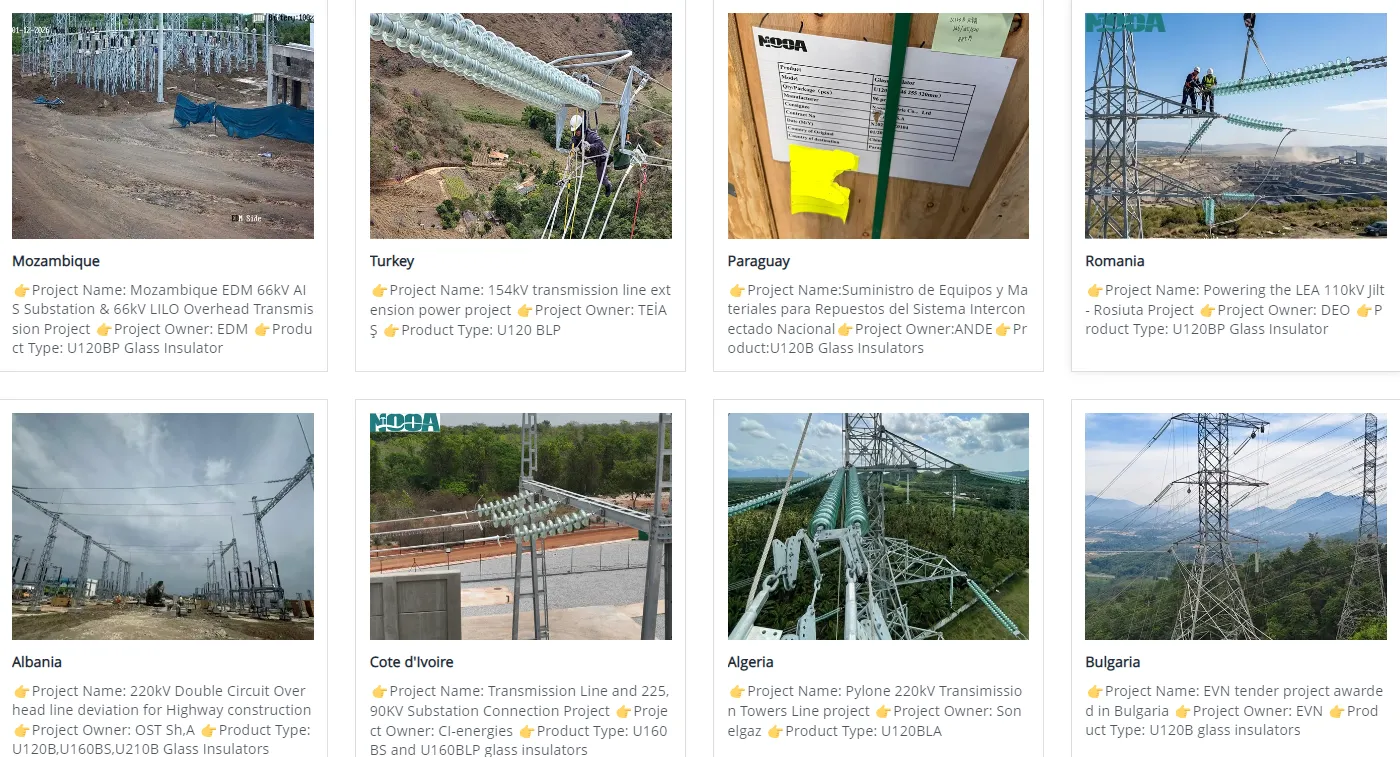
Their versatility makes them one of the most commonly specified glass suspension insulators in international tenders.
FAQ About U70BS Glass Insulators
1. What does the "70" in U70BS mean?
It refers to the specified mechanical failing load of 70 kN.
2. Is U70BS suitable for 132kV transmission lines?
Yes. Multiple U70BS units can be assembled into insulator strings suitable for 132kV systems.
3. What standard governs U70BS glass insulators?
The most commonly referenced standard is IEC 60383.
4. What is the typical creepage distance of a U70BS insulator?
A standard U70BS generally has a creepage distance around 320 mm, depending on the manufacturer.
5. Why do glass insulators shatter when damaged?
Toughened glass contains internal stresses that cause visible self-shattering upon failure, making defective units easy to identify.
6. Can U70BS insulators be used in coastal areas?
Yes. They are widely used in coastal and high-humidity environments.
7. What coupling size is commonly used for U70BS?
Most U70BS insulators use a 16 mm ball-and-socket coupling.