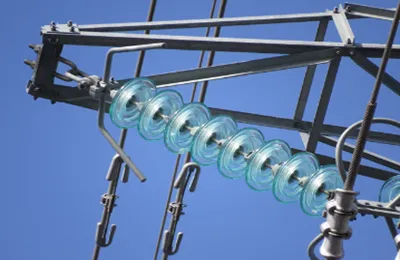
A glass insulator is used to electrically isolate conductors from supporting structures (like transmission towers or poles) while mechanically supporting the load of the power line. In simple terms, it keeps electricity flowing along the wire—not into the tower or the ground—while holding everything in place.
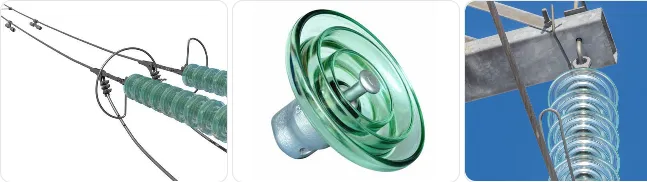
glass insulators are crucial components in electrical and telecommunication infrastructure, serving a vital role in the safe and efficient transmission of power and communication signals. these insulators are typically made of high-quality glass materials and are designed with precision to meet specific electrical and mechanical requirements. their primary function is to prevent the flow of electricity between conductive materials, thereby isolating electrical circuits and maintaining the integrity of power lines and communication networks.
the key uses and significance of glass insulators can be summarized as follows:
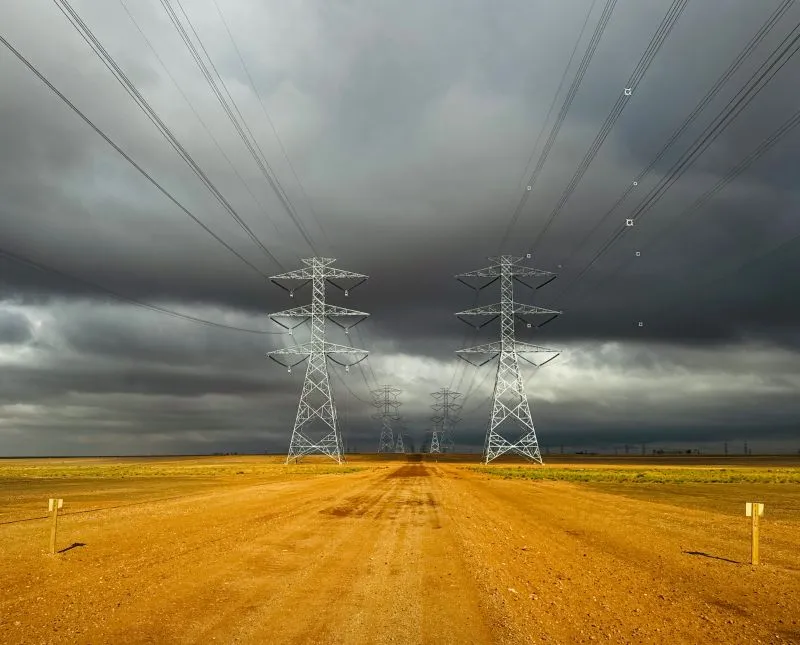
electrical isolation: glass insulators are widely employed in electrical power transmission and distribution systems. they are strategically placed along overhead power lines and electrical equipment to ensure that electricity flows through the designated conductors without leaking to the supporting structures. this electrical isolation prevents short circuits, electrical arcing, and other potentially hazardous situations, thus enhancing the reliability and safety of the power grid.
supporting overhead wires: glass insulators provide essential support for overhead wires and conductors, suspending them at a safe distance from poles, towers, and other supporting structures. this not only prevents mechanical damage to the wires due to contact with the ground or structures but also minimizes the risk of electrical faults caused by the wires coming into contact with other conductive materials.
weather resistance: glass insulators are highly resistant to environmental factors such as rain, snow, wind, and uv radiation. their robust design ensures that they can withstand extreme weather conditions over long periods, maintaining their insulating properties and structural integrity. this resilience is critical in ensuring the continuous and reliable operation of power transmission and distribution systems.
telecommunication infrastructure: glass insulators are integral to the functioning of telecommunication networks, particularly in the case of telephone and data transmission lines. they insulate and support the cables that carry voice and data signals, preventing interference and signal loss. this enables the seamless flow of information over long distances, connecting people and businesses worldwide.
historical significance: glass insulators also hold historical significance, as they were commonly used in early electrical and telecommunication systems dating back to the late 19th and early 20th centuries. collectors and enthusiasts often value these insulators for their unique designs, colors, and historical context.
glass insulators play a crucial role in ensuring the safety, efficiency, and reliability of electrical power transmission and telecommunication networks. their ability to isolate conductive materials, provide mechanical support, and withstand harsh environmental conditions makes them indispensable components in modern infrastructure. as technology continues to advance, the demand for high-quality glass insulators remains as vital as ever in maintaining the integrity of our electrical and communication systems.