In distribution network design, the classification and function of power insulators are crucial for ensuring the safe and reliable operation of the power system.
Main Functions of Insulators:
Provide electrical isolation to prevent current leakage and short circuits.
Provide mechanical support to withstand tension and environmental forces.
Resist pollution, high temperatures, and aging to ensure long-term reliability and safety.
Types of Insulators:
Material: Glass, porcelain, and composite.
Structure: Disc, pin, suspension, and tension insulators.
Use: Suspension, pin, and tower insulators.
Voltage Level: Low, medium, and high-voltage insulators.
Below is a detailed summary of the different types of insulators and their main functions:
1. Classification by Material:
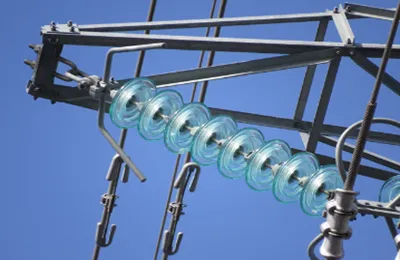
Glass Insulators:
Function: Glass insulators are known for their excellent electrical performance and mechanical strength. They can withstand high voltages and mechanical stress, are resistant to corrosion, and have a long service life. These insulators are commonly used in high-voltage and extra-high-voltage transmission lines.
Characteristics: Strong resistance to pollution, high transparency for easy inspection of cracks or damage, and ideal for harsh environments.
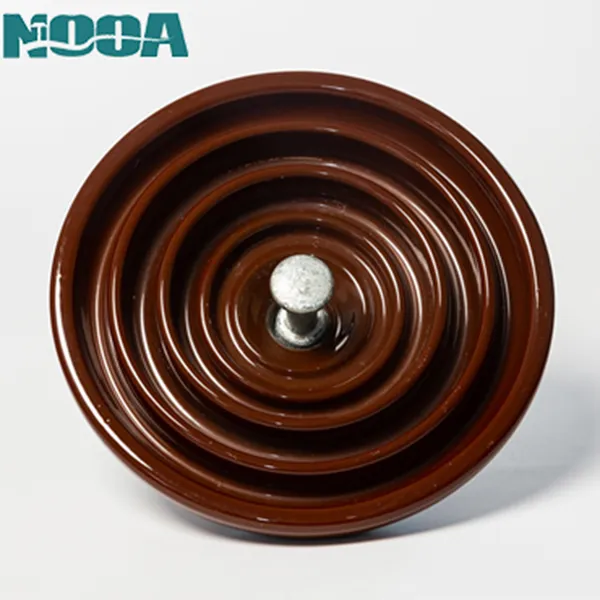
Porcelain Insulators:
Function: Porcelain insulators are used in typical distribution and transmission lines to provide excellent electrical insulation and prevent current leakage.
Characteristics: High hardness, strong corrosion resistance, good pollution resistance, and high-temperature endurance. However, they are more prone to breakage compared to glass insulators.
Composite Insulators:
Function: Composite insulators are made of materials such as rubber and plastic. They offer better pollution resistance and shock absorption and are commonly used in medium and low-voltage distribution systems.
Characteristics: Lightweight, excellent pollution resistance, and suitable for complex environments such as urban areas.
2. Classification by Structure:
Disc Insulators:
Function: Disc insulators consist of multiple disc-shaped insulating units stacked together. They are mainly used in high-voltage transmission lines to support the electrical system while withstanding high voltages and mechanical tension.
Characteristics: Strong mechanical strength, widely used in power transmission lines.
Pin Insulators:
Function: Pin insulators are mainly used in low-voltage lines and specific applications, providing insulation and mechanical support. They are typically used in substations or distribution networks.
Characteristics: Simple structure, easy to install, and suitable for environments where mechanical load is not too high.
Suspension Insulators:
Function: Suspension insulators are used to suspend and support conductors in transmission lines. They are designed to support high voltage and mechanical tension while maintaining electrical insulation.
Characteristics: Simple structure, effective at supporting conductors, and providing reliable electrical insulation.
Tension Insulators:
Function: Tension insulators are used to support conductors and provide insulation in high-voltage transmission lines. They are designed to withstand the mechanical tension caused by wind, ice, or other external forces.
Characteristics: Can withstand significant external forces, making them ideal for high-voltage overhead lines.
3. Classification by Use:
Suspension Insulators (for Lines):
Function: Used in transmission lines to suspend conductors and ensure proper electrical isolation. These insulators provide the necessary mechanical support for conductors and maintain electrical insulation.
Characteristics: Widely used in high-voltage transmission lines for supporting conductors and providing reliable insulation.
Pin Insulators (for Poles):
Function: Pin insulators are commonly used in substations and distribution networks to provide mechanical support and electrical isolation for conductors.
Characteristics: They support the conductor and prevent electrical contact with other components.
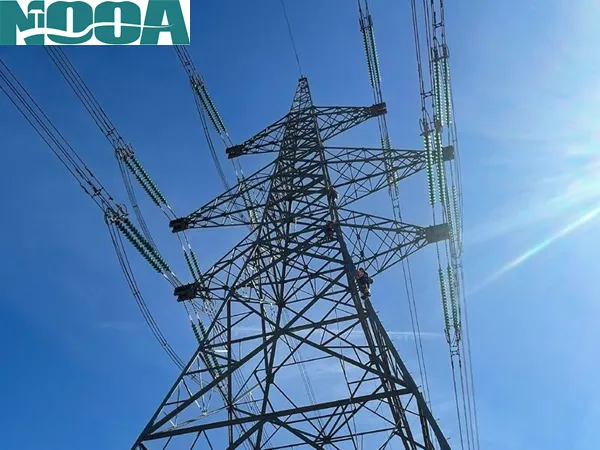
Tower Insulators:
Function: Tower insulators are used on power transmission towers to support cables and provide electrical insulation. They help maintain safety and prevent electrical leakage.
Characteristics: Designed for high-voltage or extra-high-voltage transmission lines, they ensure the system operates safely under heavy mechanical and electrical loads.
4. Classification by Voltage Level:
Low-Voltage Insulators:
Function: Used in low-voltage systems to prevent electrical leakage and short circuits, ensuring the safe operation of electrical equipment in residential and commercial settings.
Characteristics: Typically used for home or small business electrical systems.
Medium-Voltage Insulators:
Function: Used in medium-voltage distribution systems, typically found in substations and power distribution networks.
Characteristics: Strong mechanical strength and excellent electrical insulation, suitable for moderately high electrical loads.
High-Voltage Insulators:
Function: Used in high-voltage transmission lines, these insulators are designed to withstand high electrical stress and mechanical loads over long distances.
Characteristics: Commonly used in high-voltage or extra-high-voltage transmission systems to ensure safe and efficient power transfer.
Below are some typical applications in power systems:
Transmission Lines
Transmission lines are a critical component of the power system. Insulators are used to support conductors and fittings, ensuring the electrical insulation performance of the system. They prevent electrical leakage and short circuits while withstanding mechanical stress, thus ensuring the safe and efficient transmission of electricity over long distances.
Substations
Substations are vital for voltage conversion and power distribution within the power system. Insulators in substations are used to support equipment such as transformers and circuit breakers, maintaining electrical insulation and preventing equipment failures or short circuits. They are critical in maintaining the functionality and safety of substation equipment.
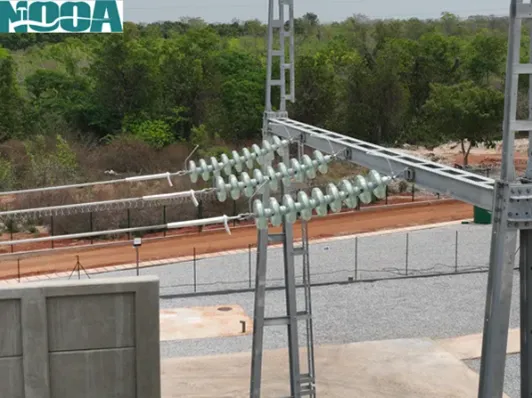
Distribution Systems
Distribution systems are the final stage in delivering electricity to consumers. Insulators support overhead lines, cables, and other components in the distribution network, ensuring electrical insulation and protecting the network from electrical faults. In urban and rural distribution, they play a major role in keeping power reliable and secure.
Electrical Equipment
Electrical devices like motors, generators, and other machinery require insulators to maintain their electrical insulation properties. These insulators prevent electrical faults and ensure the safety of both equipment and personnel. Proper insulator usage is crucial in safeguarding the performance and longevity of these devices.
New Energy Sector
In the renewable energy sector, such as solar and wind energy, insulators are used to support solar panels, wind turbines, and other related equipment. They ensure that these devices maintain optimal electrical insulation, contributing to the safety and efficiency of renewable energy production systems.
Selecting the appropriate insulator for a distribution network depends on various factors such as voltage level, environmental conditions, and mechanical load requirements. Proper selection ensures the safety, efficiency, and longevity of the electrical system.
FAQ: classifications and functions of power insulators
1. Why are suspension insulators used in some distribution systems?
Suspension insulators are used when higher mechanical loads or higher operating voltages are involved. They offer flexibility, increased insulation distance, and easier voltage upgrading by adding additional insulator units.
2. What are line post insulators and their advantages?
Line post insulators provide rigid conductor support and are commonly installed on compact distribution lines and substations. Their advantages include higher strength, reduced line swing, and improved space utilization.
3. How are power insulators classified according to material?
Distribution network insulators are generally manufactured from:
Porcelain insulators
Toughened glass insulators
Composite (polymer) insulators
Each material offers different benefits regarding mechanical strength, pollution performance, weight, and maintenance requirements.
4. Which insulator type is best for polluted or coastal environments?
Composite insulators are often preferred in heavily polluted, coastal, desert, and industrial areas because their silicone rubber housing provides excellent hydrophobic properties and contamination resistance.
5. How do insulators contribute to the reliability of distribution networks?
Insulators help maintain system reliability by:
Preventing electrical leakage
Reducing flashover incidents
Supporting conductors under mechanical loads
Withstanding environmental stress
Improving safety for personnel and equipment
Proper insulator selection significantly reduces maintenance costs and outage risks.
6. What factors should utilities and EPC contractors consider when selecting distribution line insulators?
Key selection criteria include:
System voltage level
Mechanical load requirements
Pollution severity
Climatic conditions
Material type
Creepage distance requirements
Applicable IEC, ANSI, or utility standards
Lifecycle cost and maintenance considerations