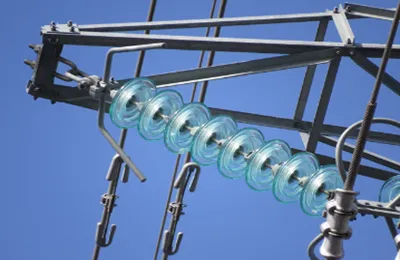
glass insulators are used to support and insulate electrical conductors (wires) from the structures they are attached to. they play a crucial role in electrical power distribution and telecommunication systems. here are some specific uses of glass insulators:
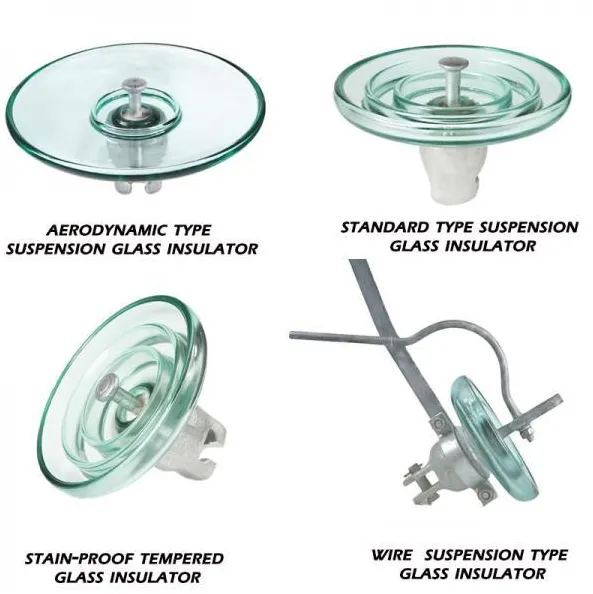
power distribution lines: glass insulators are commonly used in overhead power distribution lines. they are mounted on utility poles or transmission towers to support the electrical wires while preventing the flow of electric current to the supporting structure.
railway electrification: glass insulators are also used in railway electrification systems. they help isolate the electrified overhead wires from the structures supporting them, ensuring that the electrical current flows through the intended path.
telecommunication lines: in the past, glass insulators were widely used in telecommunication systems to support and insulate telephone and telegraph lines. while newer materials like ceramics and polymers are now more common for this purpose, glass insulators may still be found in older installations.
lightning arrester insulation: glass insulators are employed in lightning arresters to insulate and support the components of these devices. lightning arresters are designed to protect electrical equipment and lines from damage caused by lightning strikes.
high voltage applications: glass insulators are suitable for high-voltage applications where their insulating properties are advantageous. they help prevent the leakage of current and ensure the safe and efficient transmission of electrical power.
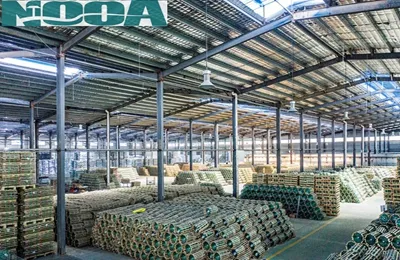
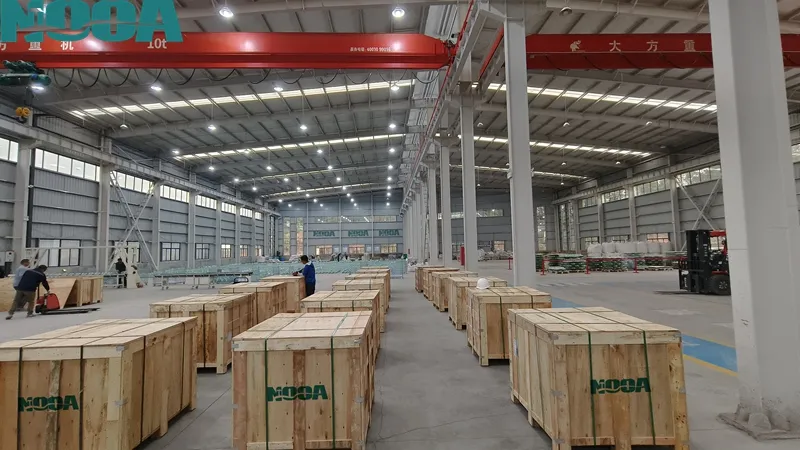
Today, utilities, EPC contractors, and transmission engineers around the world use glass disc insulators extensively in suspension and tension applications to improve grid reliability and reduce maintenance costs. Manufacturers such as Nooa Electric supply advanced glass disc insulator solutions for demanding transmission environments worldwide.
Suspension and Tension Applications of Glass Disc Insulators
1.Suspension Applications of Glass Disc Insulators:
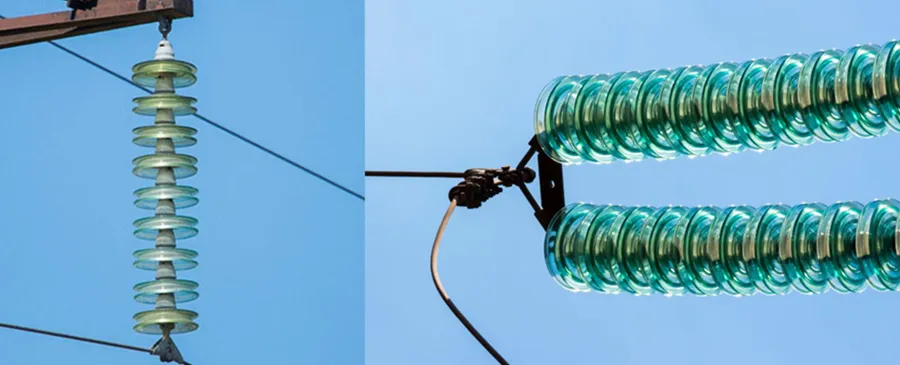
Most glass disc insulators are used in suspension insulator strings.
In suspension systems:
-
Conductors hang below the insulator string
-
Multiple discs are connected together for higher voltage levels
Advantages include:
-
Flexible voltage scaling
-
High mechanical strength
-
Easy maintenance
-
Better conductor movement flexibility
Utilities widely prefer glass suspension insulators because damaged discs are visually easy to identify.
2.Tension and Dead-End Applications
Glass disc insulators are also used where conductors experience high mechanical tension.
At:
Dead-end towers
Line angle towers
River crossings
Long-span transmission sections
The insulators must withstand:
High conductor tension
Wind load
Ice accumulation
Vibration
High mechanical strength glass disc insulators from suppliers like Nooa Electric are designed specifically for these demanding conditions.
Why Utilities Prefer Glass Disc Insulators
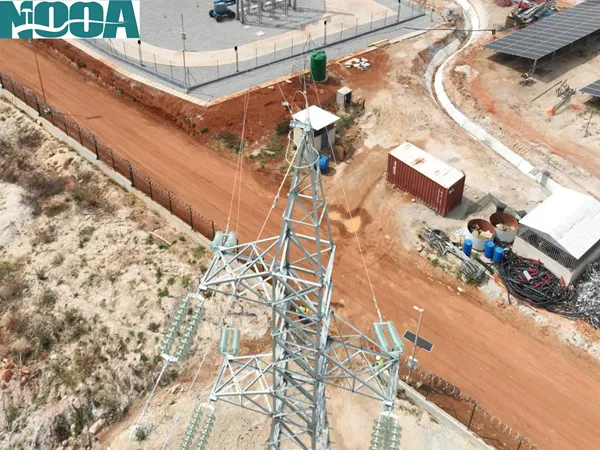
Glass disc insulators offer durability, visible fault detection, and long-term reliability. Check Nooa Electric's global insulator projects now!
Key advantages include:
Visible Self-Shattering
When damaged, toughened glass shatters visibly, making inspection easier.
Excellent Mechanical Strength
Suitable for heavy conductor loads and harsh weather conditions.
Long Service Life
Glass resists:
UV aging
Chemical corrosion
Environmental degradation
Better Maintenance Efficiency
Faults are easier to detect compared with porcelain insulators.
Applications in Different Industries
Glass disc insulators are used across many electrical infrastructure sectors.
Typical industries include:
Power utilities
Renewable energy transmission
Railway electrification
Industrial substations
Cross-border transmission projects
Modern smart grids increasingly rely on reliable high voltage glass disc insulator systems for stable operation.
Glass Disc Insulators vs Other Insulator Types
Feature
|
Glass Disc Insulator
|
Porcelain Insulator
|
Composite Insulator
|
Fault Visibility
|
Excellent
|
Moderate
|
Difficult
|
Weight
|
Medium
|
Heavy
|
Light
|
Pollution Resistance
|
Good
|
Good
|
Excellent
|
Aging Resistance
|
Excellent
|
Excellent
|
Depends on material
|
Maintenance
|
Easy inspection
|
Moderate
|
Lower cleaning frequency
|
FAQ: Glass Disc Insulators
Q1: What are glass disc insulators mainly used for?
A: They are used to electrically isolate and mechanically support conductors in overhead transmission lines.
Q2: Why are glass disc insulators used in high-voltage systems?
A: They provide excellent dielectric strength, mechanical reliability, and scalable insulation performance.
Q3: What is the advantage of toughened glass insulators?
A: Damaged units visibly shatter, making fault detection faster and easier.
Q4: Are glass disc insulators suitable for polluted environments?
A: Yes. Anti-pollution designs and longer creepage distances improve performance in harsh environments.
Q5: Which industries commonly use glass disc insulators?
A: Utilities, substations, renewable energy projects, railway systems, and industrial power infrastructure.