News Center

To Konw More Our Company News and Exhibition Topics Here.
glass electrical insulators for sale,glass transformer insulator,glass insulator clean

How to Clean Electric Glass Insulators Effectively?

Date:2024-01-11Tags:glass electrical insulators for sale,glass transformer insulator,glass insulator clean
Manual Cleaning Methods
cleaning electric glass insulators is important to maintain their efficiency and performance. here's a step-by-step guide on how to clean electrical glass insulators effectively:


safety first: before you start cleaning, ensure that the electrical equipment connected to the insulators is turned off to prevent any accidents. wear appropriate personal protective equipment, such as gloves and safety goggles, to protect yourself from potential hazards.


inspect for damage: before cleaning, inspect the insulators for any signs of damage or wear. if you notice any cracks, chips, or other issues, it may be necessary to replace the insulator rather than clean it.


remove loose debris: gently brush away any loose dirt, dust, or debris from the surface of the insulator using a soft brush or a compressed air can. this will help prevent scratching during the cleaning process.


prepare a cleaning solution: mix a mild cleaning solution using warm water and a gentle detergent. avoid using abrasive or harsh chemicals, as they may damage the glass or the insulator's surface.


apply the cleaning solution: dip a soft sponge or cloth into the cleaning solution and gently wipe the entire surface of the insulator. pay extra attention to areas with stubborn dirt or residue


use a soft brush for crevices: for hard-to-reach areas or crevices, use a soft brush (such as a toothbrush) to gently scrub away any remaining dirt. be careful not to apply excessive pressure to avoid damaging the glass.


rinse thoroughly: after cleaning, rinse the insulator thoroughly with clean water to remove any soap residue. use a hose or a damp cloth for this purpose.


dry completely: allow the insulator to air dry completely before restoring power. avoid using heat sources to accelerate the drying process, as rapid temperature changes may cause the glass to crack.


inspect again: once the insulator is dry, inspect it again for any signs of damage or missed spots. ensure that it is in good condition before reconnecting it to the electrical system.


reconnect and restore power: reconnect the insulator to the electrical equipment and carefully restore power following standard operating procedures.


Semi-Automated Cleaning

Mechanized cleaning improves efficiency for medium to large installations.

  • Rotary brushes with water spray: Mounted on maintenance vehicles
  • High-pressure water jets: Remove stubborn deposits without damaging the insulator
  • Water quality: Use deionized or softened water to avoid residue

This method is suitable for overhead transmission lines where full live-line washing is not required but manual cleaning is impractical.

Live-Line Washing (Hot-Line Cleaning)

Safely cleans energized lines without interrupting power.

Live-line washing uses specialized equipment and trained personnel:

  • High-pressure water with insulating booms or telescopic poles
  • Rubber gloves, insulating suits, and dielectric tools for safety
  • Regular monitoring of flashover risk areas


Advantages:

  • No power outage required
  • Reduces operational downtime
  • Effective for coastal and high-pollution regions


If you have sufficient budget, you can also adopt the most efficient method - using drones to clean the glass insulators.


Nooa Electric supports utilities in selecting insulators designed for easier live-line maintenance, such as aerodynamic or coated glass disc types.


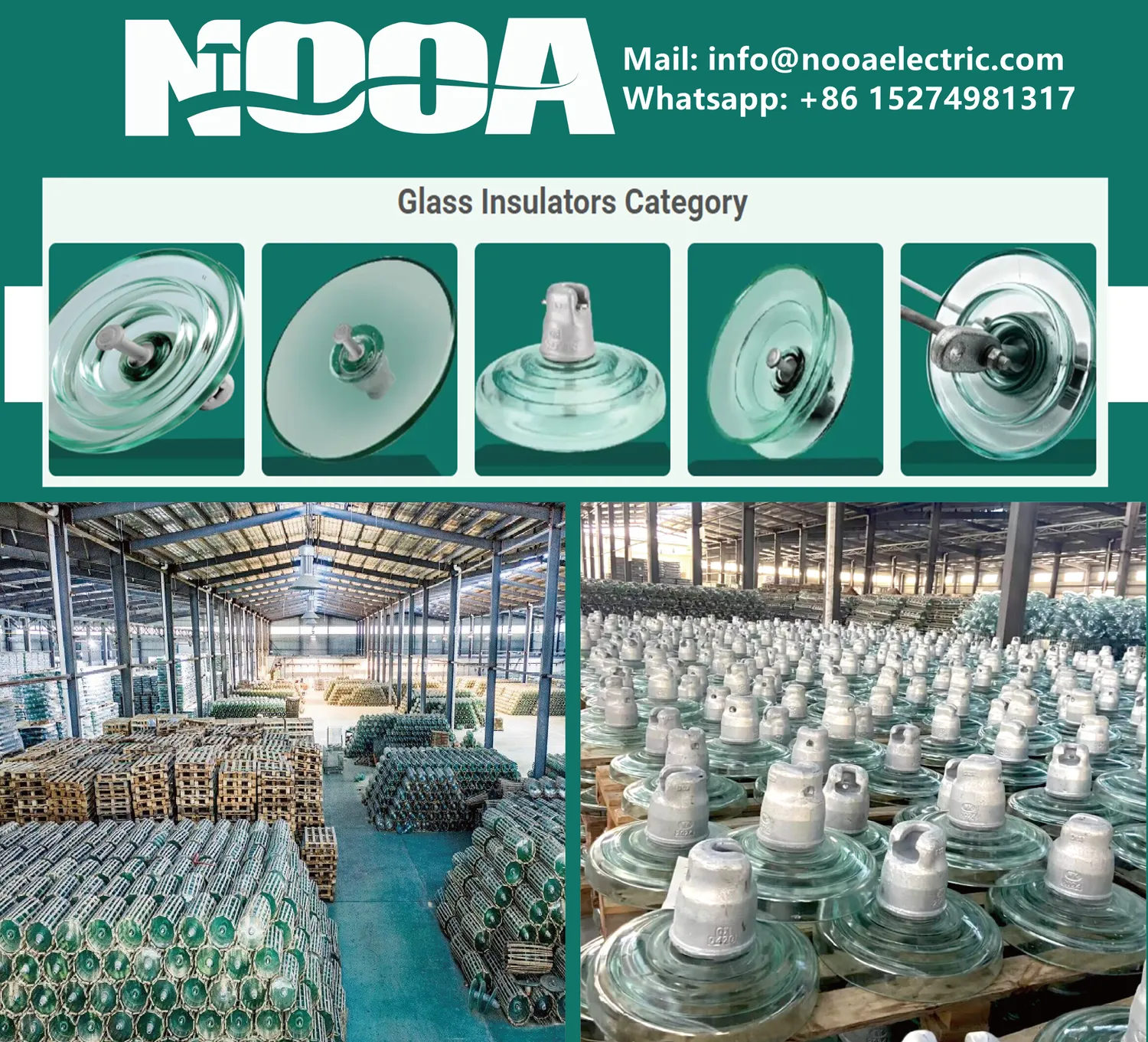
Regular maintenance and cleaning can help extend the lifespan of electric glass insulators and ensure their optimal performance. if you are unsure about any aspect of the cleaning process or encounter significant damage, it's advisable to consult us for guidance - nooa electric co., ltd. has been specialized in research and development of latest high-strength functional glass and power transmission insulators, which is the qualified supplier for state grid corporation of china and southern state grid corporation of china, and is a participating unit of product standard formulation of the national insulator standard committee. the main products type are : standard-type insulator, antipollution-type insulator, aerodynamic type insulator, multi-umbrella type insulator, ground-wires type insulator, post insulator for line, pin insulator.


China glass insulators manufacturer


All glass insulators are mainly used for transmission line insulation, suspension, support, tension conductors. our insulators are divided into 5 major series: the standard type 40-550kn、filth-resistant type 70-420kn、aerodynamic type 120-300kn、multi-umbrella type 120-300kn、and ground circuit type,able to be used for line voltage from 10kv~1000kv.


FAQ: Cleaning Electrical Glass Insulators

Q1: How often should glass insulators be cleaned?
A: Cleaning frequency depends on pollution levels: coastal areas may require 2–4 times per year, while clean rural areas may need only once annually.


Q2: Can chemicals be used to clean glass insulators?
A: Generally, no. Use deionized water or mild detergents if necessary. Strong chemicals may damage the glass surface or fittings.


Q3: Is live-line washing safe for all types of insulators?
A: Yes, provided trained personnel and proper equipment are used. Transmission line glass insulators from reputable manufacturers like Nooa Electric are designed to handle live-line cleaning stress.


Q4: Can cleaning improve insulator performance immediately?
A: Yes, removing conductive contamination reduces leakage currents and the risk of flashovers almost instantly.


Q5: Are RTV coatings compatible with all glass disc insulators?
A: Most standard glass disc insulators can be coated; consult Nooa Electric for recommendations for your specific insulators type.

We use cookies and other tracking technologies to improve your browsing experience on our website, to show you personalized content and targeted ads, to analyze our website traffic, and to understand where our visitors are coming from.