A line post porcelain insulator differs from other types of insulators in its design, application, and the specific roles it plays within electrical transmission and distribution systems. Here’s a breakdown of how line post insulators stand out compared to other common insulator types:
1. Mounting Position and Orientation
Line Post Insulators: These are designed to mount directly onto poles, crossarms, or other supporting structures either in a horizontal or vertical orientation. They are often used to support conductors along the pole line, keeping them spaced apart from one another and isolated from the supporting structure.
Other Types: Other insulators, like suspension insulators, hang the conductor below the support structure and are used in high-voltage lines to prevent the conductor from making contact with the tower. Pin insulators are mounted on top of poles for lower-voltage applications and are directly pinned to the support structure.
2. Mechanical Strength
Line Post Insulators: Known for their high mechanical strength, line post insulators support the weight of conductors, withstand environmental stresses (like wind and ice), and resist forces from line tension. They provide both insulation and structural support.
Other Types: Suspension insulators are generally better suited for absorbing conductor movement and providing flexibility, especially for high-voltage transmission. Strain insulators, meanwhile, are designed specifically for handling high tension and are used in areas where lines experience significant pulling forces, such as sharp turns or dead-end poles.
3. Voltage Applications
Line Post Insulators: Commonly used in medium- to high-voltage applications (like 24kV and 35kV lines), line post insulators are versatile for distribution and certain transmission lines, providing insulation and stability.
Other Types: Suspension insulators are generally used for high-voltage transmission lines above 69kV due to their scalability in strings. Pin insulators are more common in low- to medium-voltage applications where electrical loads are lower, typically below 33kV.
4. Configuration and Assembly
Line Post Insulators: They are often single-piece units, mounted individually on poles or crossarms. This design makes them easy to install, replace, and inspect.
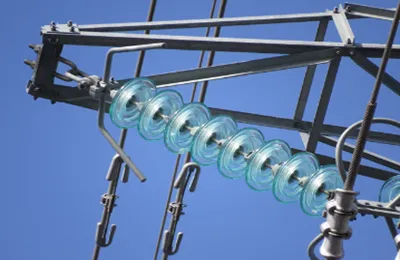
Other Types: Suspension and strain insulators are usually made up of multiple insulator units in series (called a "string") to provide greater insulation for higher voltages. This modular design adds flexibility and allows for configurations based on the required insulation level.
5. Primary Uses in Power Systems
Line Post Insulators: Primarily used along straight sections of transmission and distribution lines to provide support and insulation where conductor spacing is critical.
Other Types: Suspension insulators are preferred for transmission lines with heavy load requirements, often in high-voltage applications. Strain insulators are used where lines must withstand high mechanical stress, like at end poles, bends, or points of line termination.
line post porcelain insulators are versatile, high-strength insulators suited to both medium- and high-voltage applications, with the ability to handle both electrical and mechanical demands directly on the support structure. In contrast, other insulators are specialized for specific roles, such as handling tension (strain insulators) or high voltage and flexibility (suspension insulators).