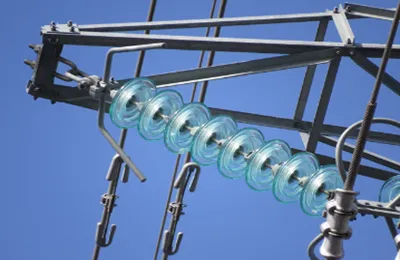
Selecting the correct glass insulator string configuration is far more than choosing an insulator with sufficient mechanical strength. For international transmission projects, EPC contractors and utility companies must evaluate electrical insulation performance, pollution severity, mechanical loading, environmental conditions, tower configuration, conductor characteristics, applicable IEC or ANSI standards, transportation reliability, factory quality assurance, and long-term maintenance costs.
A properly engineered glass insulator string significantly improves line reliability, minimizes flashover risks, reduces lifecycle costs, and ensures compliance with international tender specifications. Understanding the complete criteria allows procurement teams to compare suppliers based on technical capability rather than simply unit price.
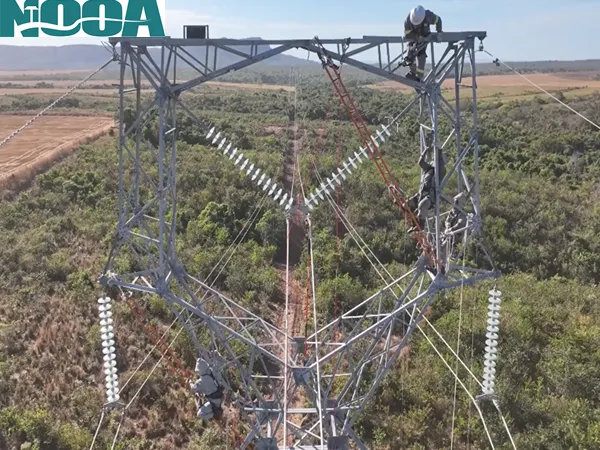
Why Proper Glass Insulator Stringing Criteria Matter?
Proper stringing criteria ensure electrical safety, mechanical reliability, longer service life, and lower operating costs throughout the transmission line's lifespan.
High-voltage transmission lines operate under continuous electrical, mechanical, and environmental stress. Every glass insulator string serves as the critical interface between energized conductors and grounded tower structures.
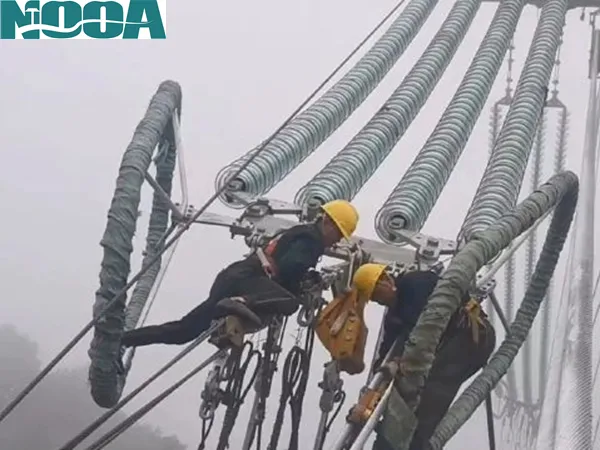
Improper selection or incorrect string configuration may result in:
1.Flashover during contamination
2.Mechanical failure under extreme loading
3.Excessive conductor swing
4.Increased maintenance frequency
5.Premature replacement
6.Higher lifecycle cost
For utilities investing millions in transmission infrastructure, optimizing the glass insulator string is a strategic engineering decision rather than a purchasing exercise.
Determine the Required Mechanical Strength
Select the specified mechanical load (SML) according to conductor weight, wind, ice loading, safety factors, and tower type.
Mechanical strength is typically the first engineering parameter evaluated during transmission line design.
Key considerations include:
Conductor self-weight
Bundle conductor configuration
Wind pressure
Ice accumulation
Span length
Tower geometry
Uneven terrain loading
Emergency overload conditions
Typical standardized mechanical ratings include:
Glass Insulator Model
|
Mechanical Strength
|
U70B
|
70 kN
|
U100B
|
100 kN
|
U120B
|
120 kN
|
U160B
|
160 kN
|
U210B
|
210 kN
|
U300B
|
300 kN
|
U420B
|
420 kN
|
U550B
|
550 kN
|
We Nooa Electric - glass insulator manufacturer can also supply the routine tensile test reports and verification of specified mechanical load performance as EPC tender specifications required.
Evaluate Creepage Distance for Environmental Conditions
Creepage distance should match the site's pollution severity to reduce leakage current and contamination flashovers.
Environmental pollution significantly affects transmission reliability.
Typical contamination sources include:
Coastal salt
Industrial emissions
Desert dust
Cement plants
Chemical factories
Agricultural pollution
The required creepage distance increases with pollution severity.

Engineers often select among:
Standard profile glass insulators
Fog-type glass insulators
Anti-pollution profile designs
Long creepage glass insulators
Proper creepage distance minimizes surface leakage current and improves performance during wet conditions.
Verify Electrical Performance Requirements
Ensure every insulator string satisfies the specified insulation coordination and withstand voltage requirements.
Electrical evaluation includes:
Lightning impulse withstand
Wet withstand voltage
Dry withstand voltage
Switching impulse withstand
Radio interference voltage
Corona performance
Power frequency flashover voltage
Modern transmission projects increasingly focus on minimizing corona discharge to reduce power losses and electromagnetic interference.
High-quality toughened glass insulators provide excellent dielectric stability over decades of operation.
Consider Tower Type and Line Configuration
Suspension, tension, dead-end, and angle towers require different glass insulator string arrangements.
Different tower applications require different string designs.
1.Common configurations include:
Suspension Towers
Used on straight transmission routes with vertical loading.
Tension Towers
Designed to withstand longitudinal conductor forces.
Angle Towers
Require stronger mechanical performance due to directional changes.
Dead-End Towers
Carry the highest mechanical loading and usually employ multiple parallel insulator strings.
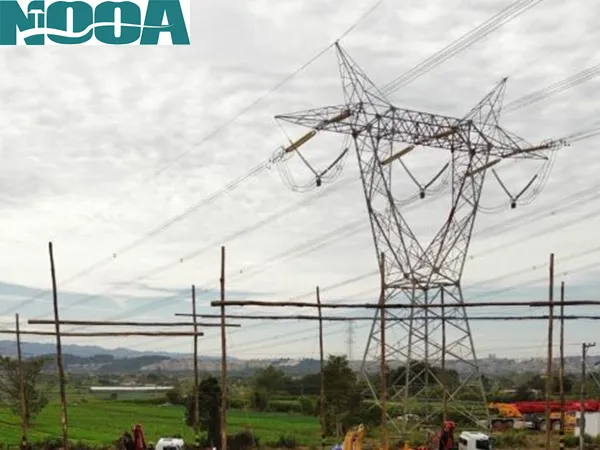
2.Engineering drawings should specify:
String length
Hardware arrangement
Ball-and-socket dimensions
Y-clevis connections
Grading rings where applicable
Ensure Compliance with International Standards
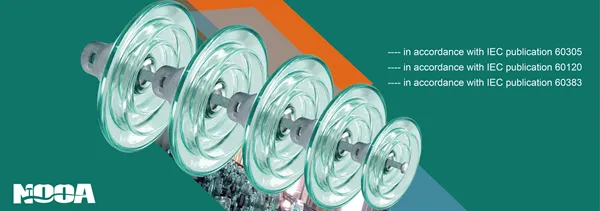
International tenders generally require compliance with IEC, ANSI, or customer-specific utility specifications.
Most global transmission projects specify internationally recognized standards.
Common requirements include:
IEC 60383
IEC 60120
IEC 60305
IEC 60437
ANSI C29 standards
Utility technical specifications
Suppliers should provide:
Type test reports
Routine test reports
Sample test reports
Factory inspection procedures
Third-party laboratory certification
Compliance simplifies project acceptance and minimizes technical disputes during procurement.
Assess Manufacturing Quality and Process Control
Stable manufacturing processes directly determine the long-term reliability of glass insulator strings.
Purchasing teams increasingly evaluate manufacturers beyond pricing.
Important quality indicators include:
Automated production lines
Tempering process consistency
Zinc sleeve inspection
Galvanized cap thickness
Cement curing control
Mechanical strength testing
Thermal shock testing
Residual strength verification
Dimensional inspection
Batch traceability
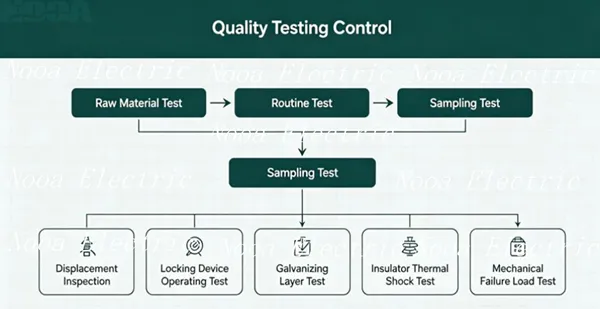
Reliable suppliers maintain strict quality control from raw material inspection through final shipment.
Evaluate Installation and Stringing Practices
Proper installation protects the insulators from mechanical damage and preserves designed electrical performance.
During transmission line construction, installers should verify:
Correct hardware orientation
Locking device engagement
Proper torque values
String alignment
Damage inspection
Clean insulator surfaces
Adequate conductor clearance
Correct grading ring positioning
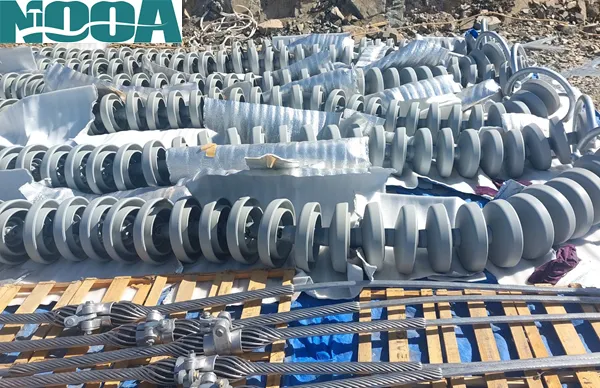
Improper installation may introduce hidden stresses that shorten service life even when high-quality insulators are used.
FAQ
1. What determines the number of glass insulators in a transmission line string?
The number depends on system voltage, insulation coordination, pollution severity, altitude, switching impulse requirements, and applicable utility standards.
2. Why is specified mechanical load (SML) important?
SML defines the maximum mechanical load an insulator can safely withstand, ensuring reliable operation under conductor weight, wind, ice, and emergency conditions.
3. How does pollution affect glass insulator string design?
Heavier pollution requires greater creepage distance or anti-pollution profiles to reduce leakage current and flashover risk.
4. Which international standards apply to glass insulator strings?
Common standards include IEC 60383, IEC 60120, IEC 60305, IEC 60437, and ANSI C29 series, depending on project specifications.
5. What is the difference between suspension and tension insulator strings?
Suspension strings primarily support vertical conductor loads, while tension strings are designed to resist higher longitudinal forces at angle and dead-end towers.
6. Why are toughened glass insulators preferred for many transmission projects?
They offer high mechanical strength, excellent dielectric performance, resistance to aging, and visible self-indication of failure, simplifying maintenance.
7. What tests should manufacturers perform before shipment?
Routine mechanical tests, thermal shock tests, dimensional inspections, galvanization checks, electrical tests, and visual quality inspections are typically required.
8. Does altitude influence insulator string design?
Yes. Higher altitudes reduce air insulation strength, often requiring additional insulation distance or more insulator discs.