Glass Insulators for Power Lines: Durability, Efficiency, and Safety in Modern Electrical Systems
In the rapidly evolving energy sector, glass insulators for power lines have become indispensable components for ensuring reliable electricity transmission and distribution. Engineered from high-strength tempered glass, these insulators combine exceptional durability, superior electrical insulation, and long-term performance—even in the harshest environmental conditions.
This comprehensive guide explores their benefits, applications, types, and why they outperform traditional alternatives like porcelain or polymer insulators.
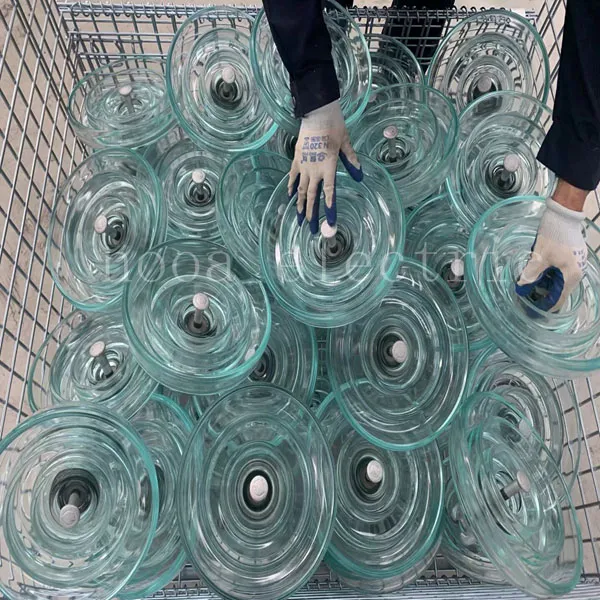
What Are Glass Insulators for Power Lines?
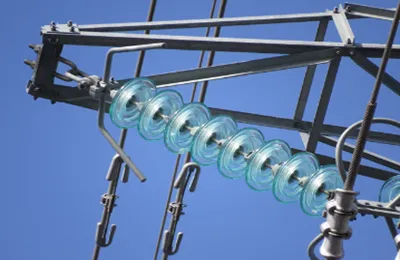
Glass insulators are non-conductive devices installed on power lines, poles, and towers to prevent electrical current from escaping to the ground. Through a specialized thermal tempering process, they gain enhanced mechanical strength and resistance to environmental stressors, making them ideal for high-voltage transmission networks, renewable energy projects, and urban/rural electrification.
Key Advantages of Glass Insulators
Unmatched Mechanical Strength:
Tempered glass withstands heavy loads, vibrations, and extreme weather (ice, wind, temperature fluctuations).
Shatter-resistant design minimizes accident risks during installation or storms.
Superior Electrical Performance:
Glass insulators provide outstanding electrical insulation, reducing leakage current and minimizing flashover risk. High dielectric strength prevents energy loss and electrical leakage, ensuring stable power transmission. Self-cleaning surfaces reduce contamination buildup, ideal for polluted or coastal regions.
Glass has naturally high dielectric strength, making it ideal for high-voltage applications. Toughened glass insulators resist voltage stress over long distances, ensuring that electricity flows safely and efficiently. For EPC projects, this reliability is critical, especially in long-span transmission lines and substation connections.
Key advantages include:
Stable insulation under extreme voltage conditions
Minimal electrical degradation over time
Resistance to corona discharge
Compliance with IEC 60383 and ANSI C29 standards
Long-Term Durability:
Resistant to UV radiation, chemical exposure, and moisture absorption, offering 30+ years of service life.
Maintain transparency and structural integrity, unlike porcelain or composite insulators.
Cost-Effectiveness:
Lower lifecycle costs due to minimal maintenance and replacement needs.
Recyclable materials align with sustainability goals, reducing environmental impact.
Safety and Visibility:
Transparent glass allows easy visual inspection for cracks or contamination.
Fragments harmlessly if damaged, unlike hazardous porcelain shards.
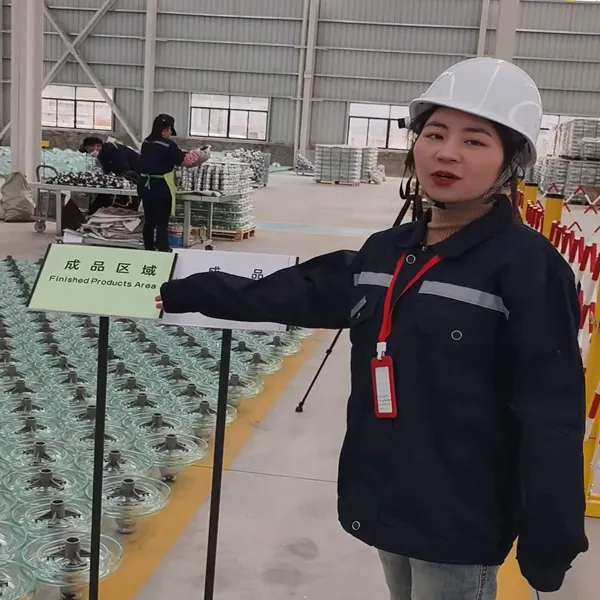
Applications of Glass Insulators
High-Voltage Transmission Lines: Critical for 66kV to 1200kV networks, enabling efficient long-distance power transfer.
Renewable Energy Integration: Used in solar farms, wind turbines, and hydropower plants to connect clean energy to grids.
Urban Electrification: Supports dense power distribution in cities with high reliability.
Rural and Remote Areas: Withstands extreme climates (deserts, mountains) where maintenance access is limited.
Railway Electrification: Ensures safe power supply for high-speed rail systems.
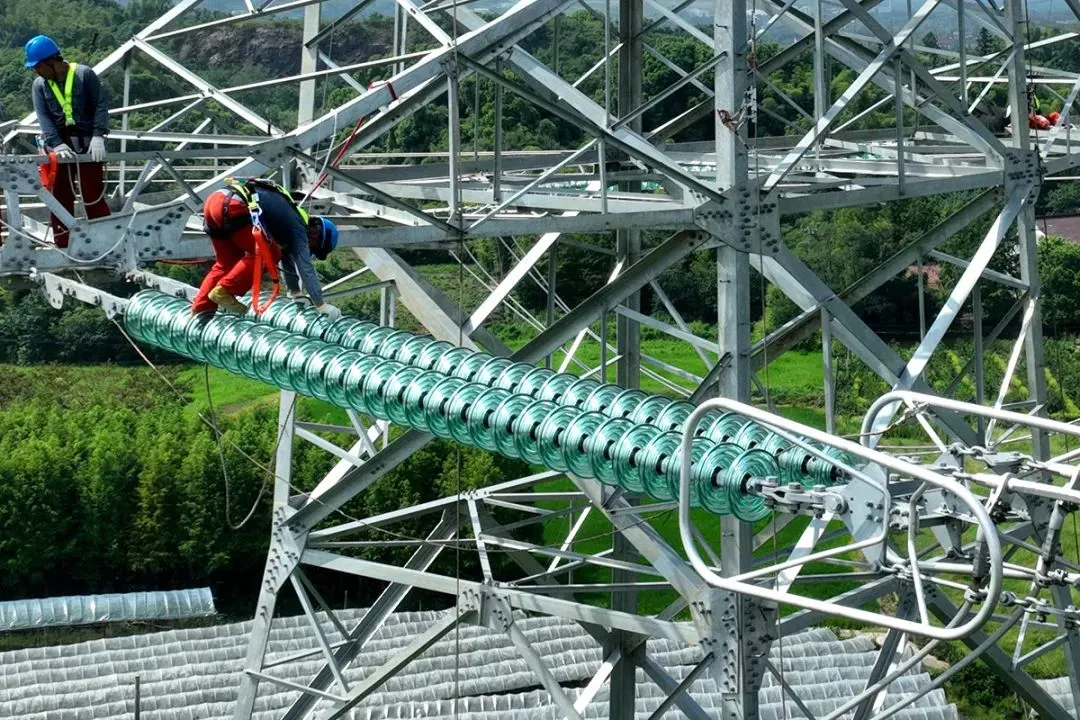
FAQ About Glass Insulators
Q1: Why are glass insulators preferred over porcelain or polymer types?
Glass offers higher dielectric strength, better visual inspection, and superior long-term durability, especially under extreme environmental conditions.
Q2: Can glass insulators be used in coastal or polluted areas?
Yes. The smooth, non-porous surface prevents pollution buildup and allows natural cleaning by rainwater.
Q3: What is the service life of a toughened glass insulator?
Typically, 30–50 years, depending on voltage, environmental conditions, and load factors.
Q4: How does Nooa Electric ensure glass insulator quality?
Nooa Electric implements full production traceability, routine mechanical and electrical testing, and IEC/ANSI standard compliance.
Q5: Are glass insulators suitable for high-voltage EPC projects?
Absolutely. They offer modular string design, mechanical robustness, and excellent insulation properties required for international transmission line projects.
Q6: How easy is it to inspect glass insulators in the field?
Very easy. Cracks, chips, and contamination are visually noticeable, allowing quick preventive maintenance.