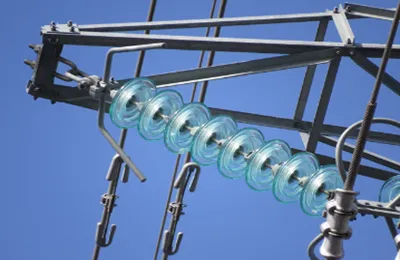
suspension insulators are preferred for high voltage power transmission for 7 reasons:
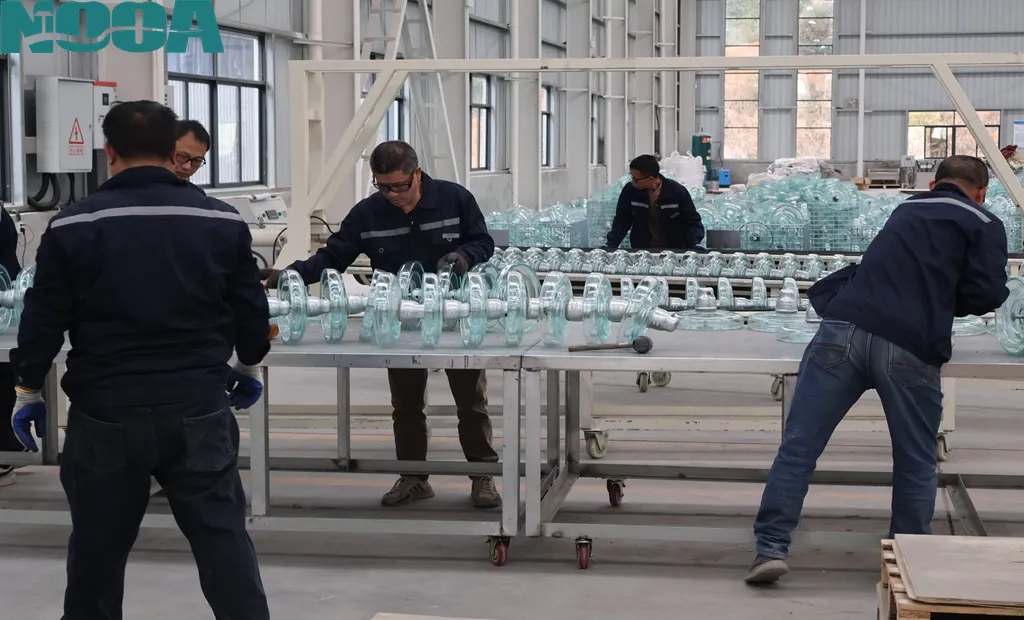
high mechanical strength: Suspension insulators can withstand heavy conductor loads and environmental stress. suspension insulators are designed to withstand the mechanical stresses imposed by the weight of the conductor and other environmental factors. they provide high mechanical strength and are capable of supporting the heavy loads associated with high voltage transmission lines.
High-voltage transmission lines are exposed to:
-
Wind loads
-
Ice accumulation
-
Conductor tension
-
Seismic vibration
Suspension insulators provide excellent:
-
Tensile strength
-
Flexibility under load
-
Resistance to mechanical shock
Manufacturers such as Nooa Electric produce high mechanical strength glass disc insulators designed for demanding transmission conditions.
good electrical insulation: Suspension insulators improve insulation coordination and reduce flashover risk. the primary function of insulators is to prevent the flow of electrical current between the conductor and the supporting structure. suspension insulators are made of materials with excellent electrical insulation properties, such as toughened glass, porcelain or composite materials, which effectively isolate the high voltage conductors from the tower or pole.
Advantages include:
-
Longer creepage distance
-
Improved voltage distribution
-
Reduced leakage current
-
Better flashover resistance
In polluted or coastal environments, utilities often use:
These features help maintain reliable operation under severe environmental conditions.
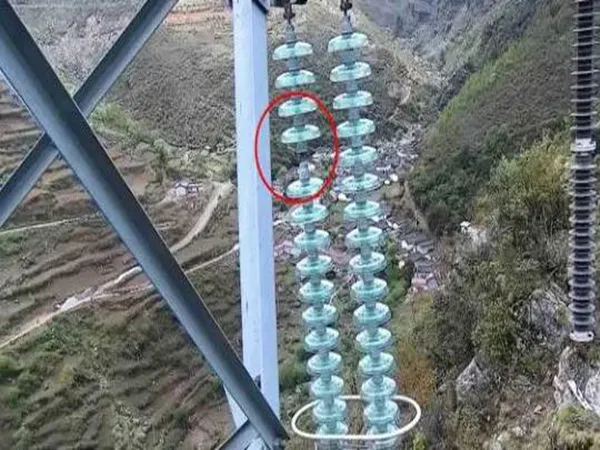
flexibility and redundancy: suspension insulator strings consist of multiple insulator units connected in series. this design provides flexibility and redundancy. if one insulator in the string fails, the others can still provide insulation and support. this design enhances the reliability of the insulator system.
resistance to environmental conditions: Better Performance in Harsh Environments. Suspension insulators perform reliably in polluted, coastal, and high-altitude areas. high voltage transmission lines are exposed to various environmental conditions, including rain, pollution, and contaminants. suspension insulators are designed to be resistant to these environmental factors. for instance, the design of the insulator sheds helps to prevent the accumulation of pollutants that could lead to a loss of insulating properties.
Modern suspension insulator designs can resist:
-
Salt fog corrosion
-
Industrial pollution
-
Desert sand contamination
-
Heavy rainfall and humidity
Properly selected high voltage glass disc insulators maintain stable insulation performance even under extreme weather conditions.
ease of installation and maintenance: Damaged suspension insulators are easier to identify and replace individually. One major advantage of glass disc suspension insulators is visible fault detection. suspension insulators are relatively easy to install and maintain. the modular design allows for straightforward replacement of individual insulator units if needed. this ease of maintenance contributes to the overall reliability of the transmission line.
When a toughened glass disc fails, it usually shatters visibly while maintaining mechanical connection temporarily.
Benefits include:
-
Faster inspection
-
Reduced maintenance time
-
Lower outage risk
-
Easier replacement of individual units
This is one reason many utilities prefer glass suspension insulators from suppliers like Nooa Electric for modern transmission systems.
cost-effective: Suspension insulators reduce long-term maintenance and operational costs. they are often considered cost-effective for high voltage transmission applications. their design and materials balance performance and cost considerations, making them a practical choice for many transmission projects. suspension insulators provide:
-
Longer service life
-
Lower maintenance frequency
-
Better reliability
-
Easier scalability for voltage upgrades
For large utility projects, these long-term benefits often outweigh the initial investment.
versatility: suspension insulators can easily adapt to higher voltages by increasing the number of discs in the string. suspension insulators can be used in various transmission line configurations, including both overhead and vertical arrangements. this versatility makes them suitable for a wide range of applications and transmission line designs.
For example:
-
Lower voltage lines may use 5–7 discs
-
Extra-high-voltage lines may use 20+ discs
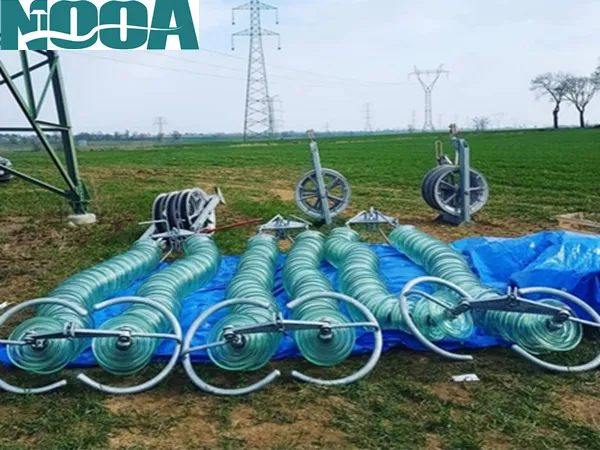
This modularity makes suspension insulators highly suitable for expanding power grids.
In summary, the mechanical strength, electrical insulation properties, environmental resistance, and overall reliability of suspension insulators make them a preferred choice for high voltage power transmission lines.
FAQ: Suspension Insulators in High Voltage Transmission
Q1: Why are suspension insulators used instead of pin insulators for high voltage?
A: Suspension insulators can handle much higher voltages by increasing the number of discs in the string.
Q2: Why are glass suspension insulators popular?
A: They provide visible failure detection, high mechanical strength, and easier maintenance.
A: The number depends on system voltage, environmental conditions, and insulation requirements.
Q4: Are suspension insulators suitable for polluted environments?
A: Yes. Anti-pollution designs and increased creepage distance improve performance in harsh conditions.
Q5: What materials are commonly used in suspension insulators?
A: Toughened glass, porcelain, and composite polymer materials are the most common.