Transmission Line lnsulator Hardware Fittings: Definition and Detailed Explanation
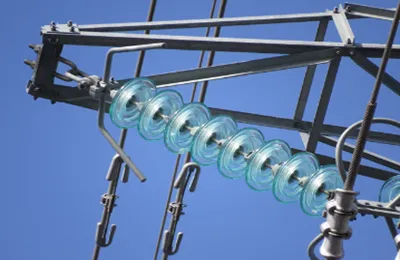
Insulator hardware fittings are specialized components designed to mechanically secure electrical insulators to transmission structures (e.g., towers, poles) and connect them to conductors. These fittings ensure insulators remain stable under mechanical loads (e.g., wind, ice) while maintaining electrical isolation between energized conductors and grounded structures. They play a critical role in the reliability and safety of overhead power lines.
Types of Insulator Hardware Fittings
Suspension Fittings
Clevis and Tongue:
A clevis is a U-shaped metal plate with holes for pin connections, while a tongue is a flat plate that fits into the clevis. Together, they form a hinge-like joint to suspend insulator strings from crossarms or towers. Allows articulation to accommodate conductor movement.
Ball-and-Socket:
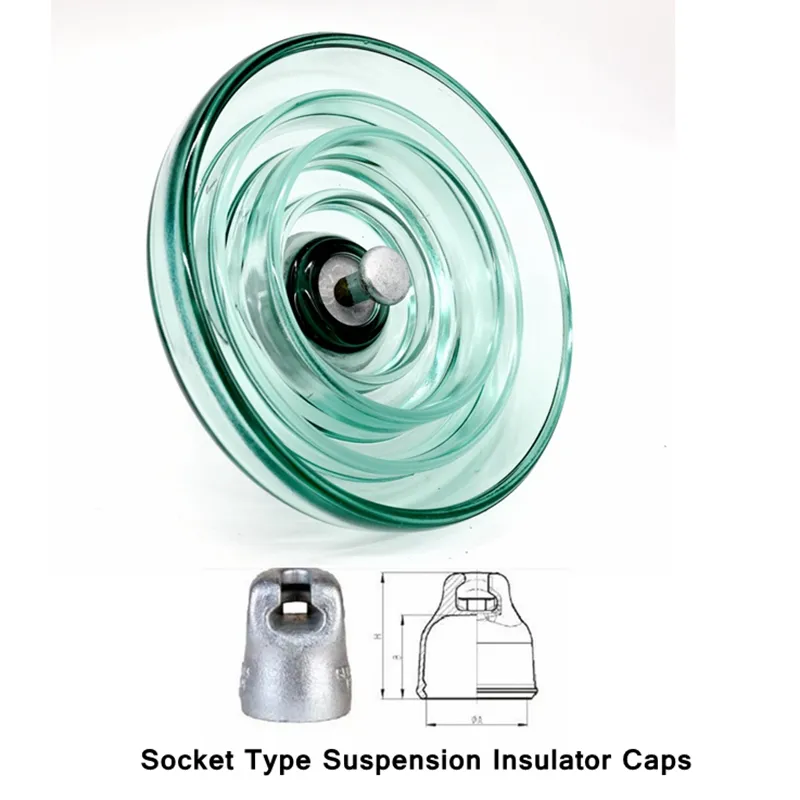
A spherical bearing system that enables multi-axis rotation, ideal for lines requiring flexibility (e.g., uneven terrain).
Dead-End Fittings
Anchor Shackles and Strain Clamps:
Secure insulator strings at endpoints (e.g., corners, terminations) to handle full conductor tension.
Often paired with strain insulators rated for high mechanical loads.
Conductor Attachment Fittings
Suspension Clamps:
Attach conductors to the bottom of insulator strings in straight-line spans. Designed to allow slippage during thermal expansion.
Dead-End Clamps:
Anchor conductors to insulator strings at endpoints, preventing slippage under tension.
Grading Rings (Corona Rings)
Large aluminum rings mounted near insulator ends to distribute electric fields evenly, reducing corona discharge (ionization) and preventing insulator surface damage.
Arcing Horns
Paired metal projections installed on insulator strings to direct power arcs away from the insulator surface during lightning strikes or faults, protecting it from damage.
Yoke Plates and Links
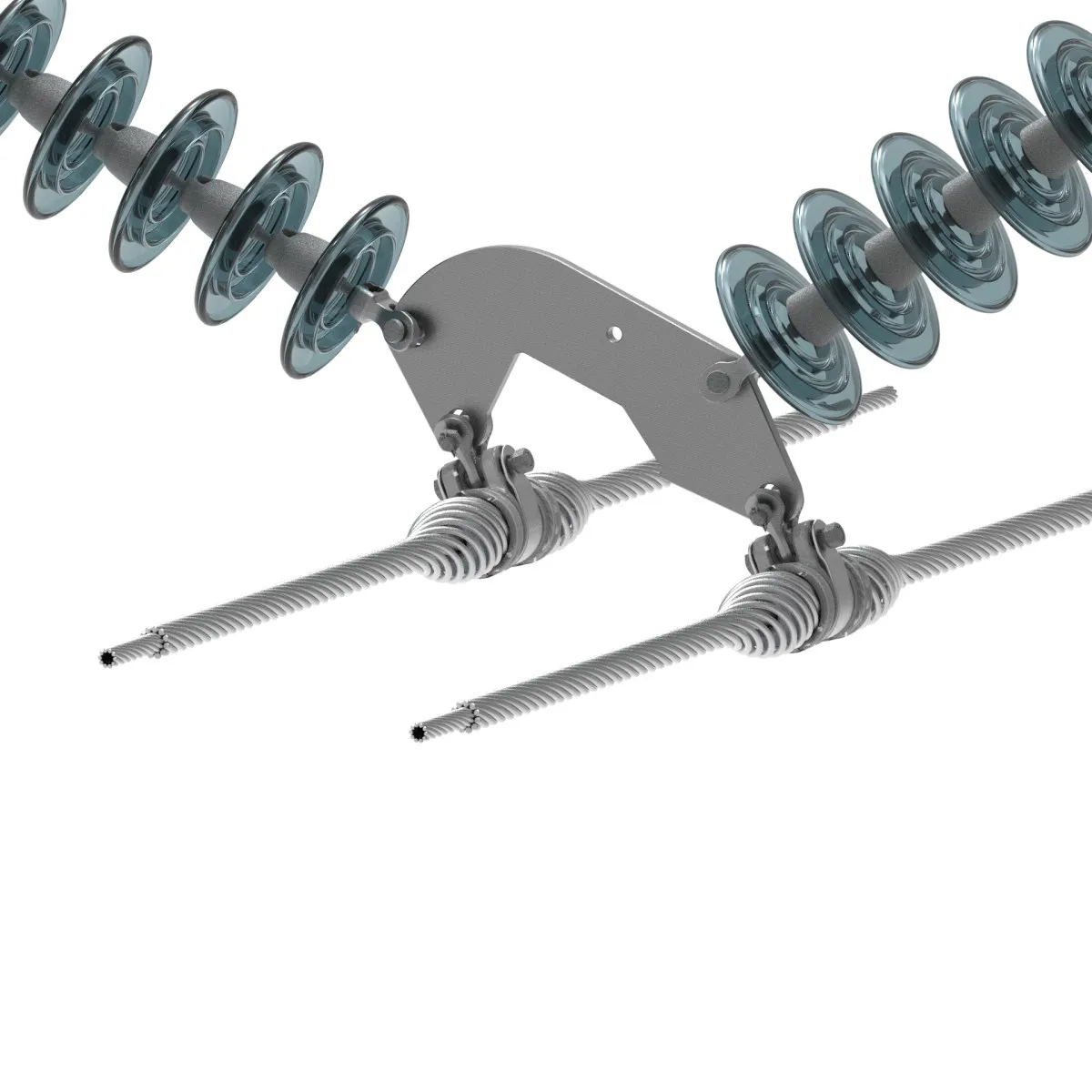
Yoke Plates: Metal plates that connect multiple insulator strings in parallel (common in high-voltage applications).
Adjustable Links: Enable precise alignment and tension adjustment of insulator strings.
Brackets and Crossarm Attachments
Brackets: Mount insulators to crossarms or towers (e.g., angle brackets for dead-end configurations).
U-Bolts: Secure insulator hardware to structural members.
Vibration Control Accessories
Dampers: Attached near insulator strings to absorb wind-induced vibrations (e.g., Stockbridge dampers).
Materials and Design
Galvanized Steel: High strength and corrosion resistance for mechanical fittings.
Aluminum Alloys: Lightweight and corrosion-resistant for components like grading rings.
Forged or Cast Metals: Used for high-stress parts (e.g., clevis, ball-and-socket).
Coatings: Zinc or epoxy coatings enhance durability in harsh environments.
Standards and Compliance
IEEE 1523: Specifies hardware for polymer insulators.
IEC 60120: International standards for ball-and-socket connections.
ASTM F855: Guidelines for temporary grounding fittings.
Key Functions
Mechanical Support: Withstand conductor tension, wind, and ice loads.
Electrical Isolation: Prevent current leakage to grounded structures.
Flexibility: Allow movement to avoid stress fractures in insulators.
Environmental Protection: Mitigate corrosion, UV degradation, and pollution.
Importance in Transmission Systems
Safety: Prevent flashovers and structural failures.
Longevity: Protect insulators from mechanical fatigue and electrical erosion.
Efficiency: Ensure uninterrupted power flow by maintaining proper conductor spacing and insulation.
Innovations
Polymer Insulator Fittings: Lightweight, non-brittle hardware for composite insulators.
Smart Fittings: Sensors embedded in hardware to monitor tension, temperature, or corrosion.
Insulator hardware fittings are the unsung backbone of transmission systems, bridging the gap between electrical performance and mechanical resilience. Their design and installation require precision to balance dynamic loads, environmental factors, and electrical demands.
FAQ About Transmission Line Insulator Hardware Fittings
1.What are hardware fittings used for in transmission lines?
They connect insulators to conductors and tower structures, providing mechanical support and maintaining electrical insulation.
2.What types of hardware fittings exist?
Clevis, ball and socket, pin and cap, tie rods, shackles, and clamps are the main types.
3.Why is corrosion resistance important?
Transmission lines often operate in harsh environmental conditions. Corrosion-resistant fittings reduce maintenance and prevent failures.
4.Are hardware fittings standardized?
Yes, international projects usually require IEC, ANSI, or utility-specific standard compliance.
5.Can one manufacturer provide both insulators and hardware fittings?
Yes. Companies like Nooa Electric supply complete insulator systems, including high-quality hardware fittings, ensuring compatibility and reliability.