News Center

To Konw More Our Company News and Exhibition Topics Here.
Glass Electrical Insulators,ANSI Standards Glass Insulator,SGS Certified Glass Insulators Factory

Intertek-SGS-BV-ANSI Certified Glass Electrical Insulators

Date:2024-12-17Tags:Glass Electrical Insulators,ANSI Standards Glass Insulator,SGS Certified Glass Insulators Factory

Intertek, SGS, BV Certification and ANSI Standards for Glass Electrical Insulators

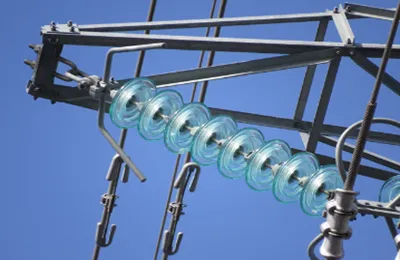
Glass Electrical Insulators that are used in high-voltage transmission and distribution lines need to meet various standards and certifications to ensure their quality, safety, and reliability. Below is an overview of the Intertek, SGS, and Bureau Veritas (BV) certification processes for electric glass insulators, as well as the relevant ANSI standards they must comply with.

1. Intertek Certification for Electric Glass Insulators

Intertek is a global leader in testing, inspection, and certification services. For electric glass insulators, the Intertek certification process typically involves:

Product Testing: Intertek tests glass insulators for various mechanical, electrical, and environmental properties, including tensile strength, insulation resistance, dielectric strength, thermal endurance, and UV resistance.
Quality Management Systems (QMS): Intertek may assess the manufacturing processes to ensure compliance with quality standards like ISO 9001. Insulators manufactured in facilities with ISO 9001 certification are considered to meet high-quality production standards.
Certification Marks: Once the insulator passes the required tests and meets global standards, it can carry the Intertek "ETL" mark, indicating it has been evaluated and meets specified safety and performance standards.


Common Tests for Intertek Certification:
Mechanical Strength: Tensile, impact, and cantilever tests.
Electrical Properties: Insulation resistance and dielectric breakdown.
Environmental Resistance: UV exposure, thermal cycling, and moisture resistance.


2. SGS Certification for Glass Electrical Insulators

SGS is one of the world’s leading inspection, verification, testing, and certification companies. SGS certification for electric glass insulators ensures that the product adheres to relevant international standards.

Testing: SGS will perform mechanical, electrical, and environmental tests similar to those of other testing organizations, such as dielectric testing, tensile strength, and impact resistance.

Compliance with International Standards: SGS ensures that insulators comply with standards set by ANSI, IEC, and other regional and international organizations.
Factory Audits: SGS also conducts factory audits to assess production quality and ensures that manufacturing processes are compliant with safety and quality standards.

Common SGS Certifications for Glass Insulators:
ISO 9001: Quality management system certification.
ISO 14001: Environmental management system certification (if applicable).
IEC & ANSI Compliance: SGS will ensure the product adheres to the International Electrotechnical Commission (IEC) standards and ANSI (American National Standards Institute) specifications.


3. Bureau Veritas (BV) Certification for Glass Electrical Insulators

Bureau Veritas provides testing, inspection, and certification services for a wide range of products, including electric glass insulators. Their certification ensures that insulators meet international standards for performance, safety, and quality.
Laboratory Testing: Bureau Veritas conducts extensive laboratory testing to assess electrical properties, mechanical strength, and environmental durability of the glass insulators. They test properties such as dielectric strength, insulation resistance, and creep performance.
Compliance to International Standards: BV ensures that the glass insulators meet the requirements of global standards such as ANSI, IEC, and BS (British Standards).
Quality System Audits: BV also evaluates the manufacturer’s quality control processes through audits and certifications such as ISO 9001 (for quality management) and ISO 14001 (for environmental management).

Common BV Certifications for HV Insulators:
CE Marking: Certification that the product complies with European safety and performance requirements.
ISO 9001: Quality management system certification.
ANSI Compliance: Adherence to ANSI standards for electrical equipment and materials.

4. ANSI Standards for Toughened Glass Insulators

ANSI (American National Standards Institute) sets specific standards for electric glass insulators, ensuring that they meet safety, mechanical, and electrical performance requirements. Some of the most relevant ANSI standards for electric glass insulators include:


ANSI C29.2 - Glass Insulators for Overhead Lines:

Scope: This standard specifies the requirements for porcelain and glass insulators used in overhead line applications for electrical power transmission and distribution.
Testing Requirements: Includes mechanical tests such as tensile strength and impact resistance, as well as electrical testing for dielectric strength and insulation resistance.
Design Requirements: Specifies the design criteria for glass insulators to ensure they can withstand mechanical loads, electrical stresses, and environmental factors.


ANSI C29.3 - Testing of Electric Insulators:

Scope: This standard outlines the test procedures for insulators, including glass insulators, to assess their electrical, mechanical, and environmental properties.
Key Tests: Insulation resistance, mechanical strength, flashover voltage, and temperature cycling tests are common in this standard.


ANSI C29.5 - Insulator Performance Requirements:

Scope: Provides performance criteria for electric insulators, covering environmental conditions such as temperature fluctuations, humidity, and UV exposure.

Testing Requirements: Includes tests for load performance, resistance to thermal and mechanical stresses, and electrical insulation properties under various environmental conditions.


5. Relevance of Certifications to Electric Power Glass Insulators
Quality Assurance: Certification from agencies like Intertek, SGS, and Bureau Veritas ensures that the electric glass insulators are manufactured to the highest quality standards and are capable of performing safely under high voltage conditions.
Compliance with Standards: These certifications confirm that the insulators meet or exceed the requirements set by ANSI, IEC, and other global standards for electrical equipment.
Marketability: Certified insulators are more likely to be accepted by utilities and power companies, ensuring the product can be used in global markets.
Safety and Reliability: Certifications guarantee that the insulators have been rigorously tested for safety and reliability, minimizing the risk of failure in critical electrical infrastructure.

Electric glass insulators certified by Intertek, SGS, or Bureau Veritas ensure that the product adheres to high safety, quality, and performance standards, while also meeting the requirements of ANSI standards like C29.2, C29.3, and C29.5. These certifications provide assurance to end users—such as utility companies—that the insulators will perform reliably and safely in high-voltage transmission systems. Wanna buy related certified glass insulators? Contact China Leading Toughened Glass Insulators Factory - Nooa Electric

Related Q&A for Glass Electrical Insulators:

1. What are the key tests performed for glass electrical insulators to ensure quality and reliability?

Glass electrical insulators undergo several critical tests to assess their quality and reliability:
Mechanical Tests: These include tensile strength tests, impact resistance, and cantilever tests to evaluate the insulator's ability to withstand mechanical stresses such as wind or ice loads.
Electrical Tests: These tests measure insulation resistance, dielectric strength, and flashover voltage to ensure the insulator can effectively prevent electrical breakdown and conduct electricity safely.
Environmental Tests: These include UV exposure, thermal cycling, and moisture resistance tests, which ensure the insulator can withstand environmental factors such as high temperatures, UV radiation, and humidity.


2. What does Intertek certification mean for glass electrical insulators?

Intertek certification for glass electrical insulators signifies that the product has passed comprehensive testing to meet industry safety and performance standards. The certification ensures the insulator has been tested for mechanical strength, electrical properties, and environmental resistance.

We use cookies and other tracking technologies to improve your browsing experience on our website, to show you personalized content and targeted ads, to analyze our website traffic, and to understand where our visitors are coming from.