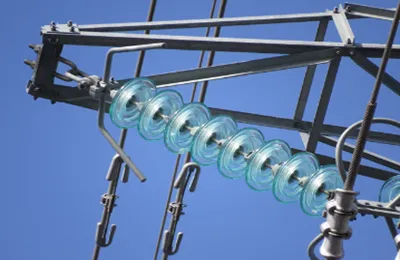
choosing the right disc glass insulator involves considering several factors related to the electrical and environmental conditions where the insulator will be used. here are 11 key considerations:
1. voltage rating:
Voltage level is the first factor when selecting a disc glass insulator. select an insulator with a voltage rating suitable for the system it will be a part of. the voltage rating should exceed the maximum voltage expected in the system.
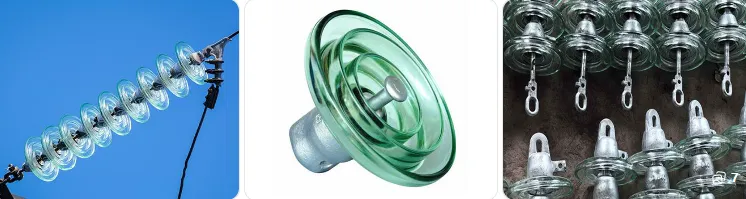
Higher transmission voltages require:
1.More insulator discs in a string
2.Greater insulation distance
3.Higher creepage distance
2. mechanical strength:
Mechanical strength must match conductor tension and environmental stress. consider the mechanical strength of the insulator to withstand the mechanical stresses it may experience, such as wind, ice, or vibration. the insulator should be able to support the weight of the conductors.
Important load factors include:
Conductor weight
Wind pressure
Ice loading
Vibration and galloping
Long-span transmission tension
Common mechanical ratings include:
70kN
120kN
160kN
210kN and above
Utilities should select high mechanical strength glass disc insulators for:
1.Mountain transmission lines
2.River crossings
3.Heavy ice regions
3. material:
glass insulators are often used for their good electrical properties and resistance to environmental conditions. ensure that the material of the insulator is appropriate for the specific application and environmental factors. for example, some glass insulators are coated to resist pollution.
4. pollution severity:
consider the pollution level in the area where the insulator will be installed. in areas with high pollution, pollution-resistant coatings may be necessary to maintain the insulator's performance.
5. creepage distance:
Creepage distance is critical in polluted or humid environments. creepage distance is the shortest path along the insulator surface between two metal parts. it is crucial for preventing flashovers. choose an insulator with an adequate creepage distance for the environmental conditions and voltage level.
Creepage distance refers to the shortest path along the insulator surface between energized and grounded parts.
Longer creepage distance helps:
Reduce leakage current
Prevent dry-band arcing
Improve pollution performance
Polluted environments require higher creepage distance values than clean regions.
6. size and design:
Different profiles are designed for different pollution conditions. select the size and design of the insulator based on the physical space available and the configuration of the transmission or distribution lines.
Common profiles include:
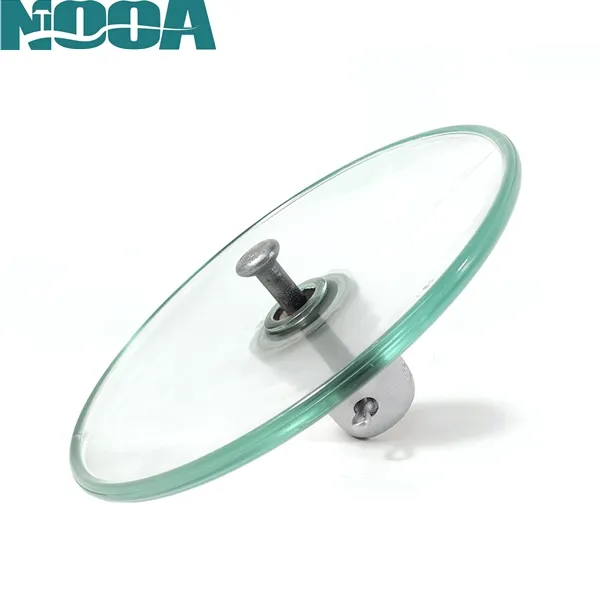
1.Standard Profile
Suitable for:
Clean environments
General transmission applications
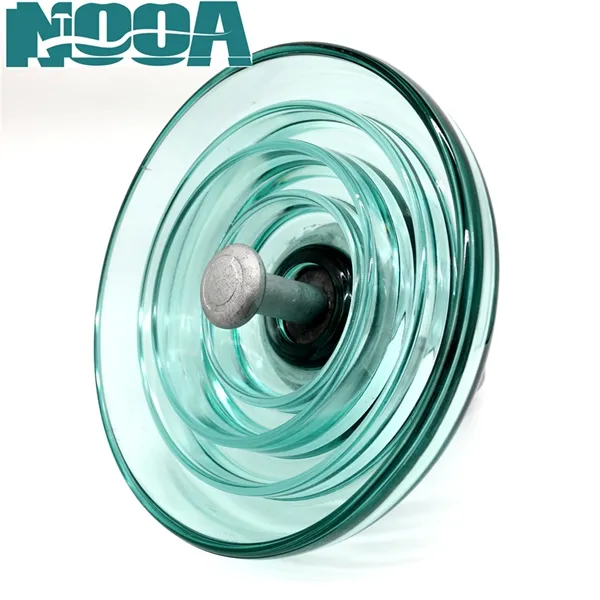
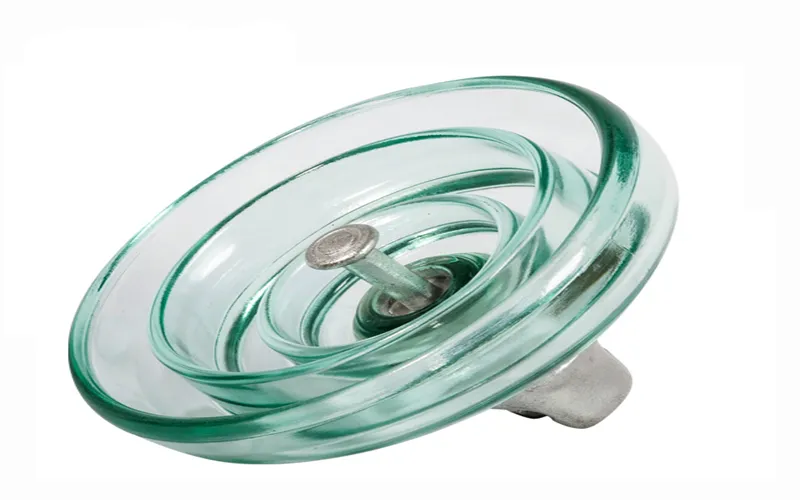
2.Fog Type / Anti-Pollution Type
Designed for:
Coastal regions
Industrial pollution
Salt fog environments
3.Aerodynamic Profile
Helps reduce:
Dust accumulation
Ice formation
Wind-induced contamination
Anti-pollution and fog-type designs provide longer creepage distance and improved flashover resistance.
7. corona performance:
corona is an electrical discharge caused by the ionization of air surrounding a conductor carrying high voltage. good insulators should minimize corona effects. choose insulators with designs that reduce corona discharge.
8. temperature rating:
Environment strongly affects insulator selection and service life. consider the temperature conditions in the installation area. ensure that the insulator can withstand temperature variations without compromising its performance.
Environmental considerations include:
Coastal salt contamination
Industrial pollution
Desert dust
Heavy rainfall
Snow and ice
UV exposure
Proper insulator selection improves:
Flashover resistance
Long-term durability
Maintenance efficiency
9. installation and maintenance:
consider the ease of installation and maintenance. some insulators may be designed for easier installation and may require less maintenance over time.
10. compliance with standards:
Certified insulators ensure consistent quality and operational reliability. ensure that the chosen insulator complies with relevant industry standards and specifications.
Check compliance with:
IEC standards
ANSI standards
Utility technical specifications
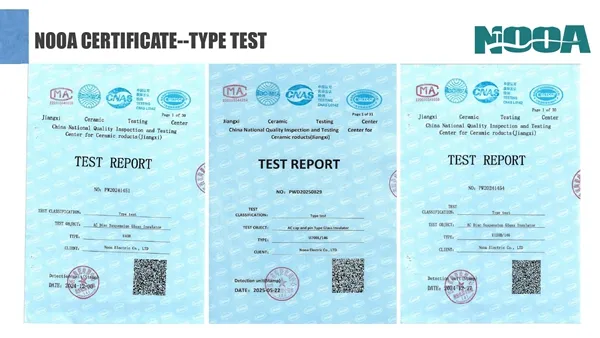
Required tests may include:
Mechanical tensile testing
Thermal shock testing
Power frequency withstand tests
Pollution testing
Impact testing
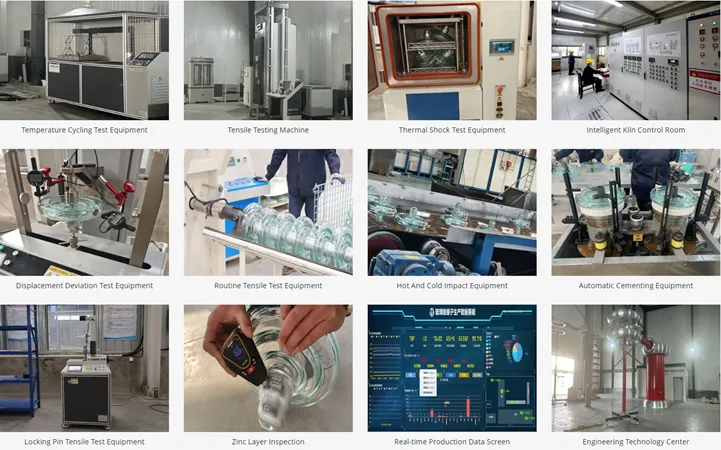
Reliable manufacturers such as Nooa Electric provide certified glass suspension insulators tested according to international transmission standards.
11. cost:
while ensuring the insulator meets all necessary requirements, consider the cost implications. compare different options and choose the one that provides the best balance of performance and cost.
always consult with electrical engineers or experts in the field to ensure that the selected disc glass insulator is suitable for your specific application and meets the required standards and regulations.
FAQ: Choosing Disc Glass Insulators
Q1: What is the most important factor when choosing a disc glass insulator?
A: Voltage level and environmental conditions are usually the most important selection factors.
Q2: Why is creepage distance important?
A: Longer creepage distance improves pollution resistance and reduces flashover risk.
Q3: Which type of glass insulator is best for coastal areas?
A: Fog-type or anti-pollution glass disc insulators are recommended for salt-contaminated environments.
Q4: Why are toughened glass insulators preferred by many utilities?
A: They offer visible self-shattering, making damaged units easy to detect during inspections.
Q5: How do I verify the quality of a glass disc insulator supplier?
A: Check IEC/ANSI/ISO certifications, testing capabilities, production quality control, and insulators project experience.