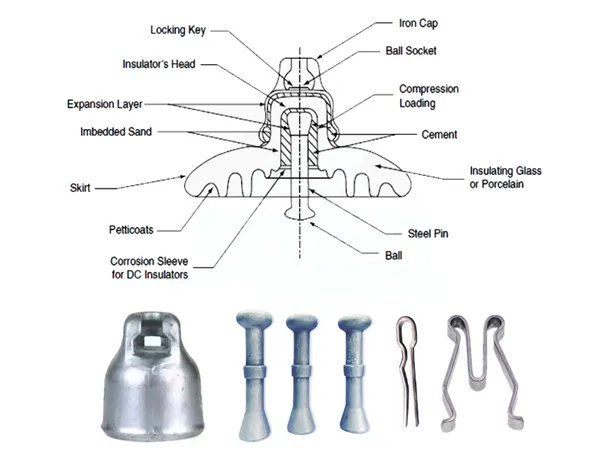
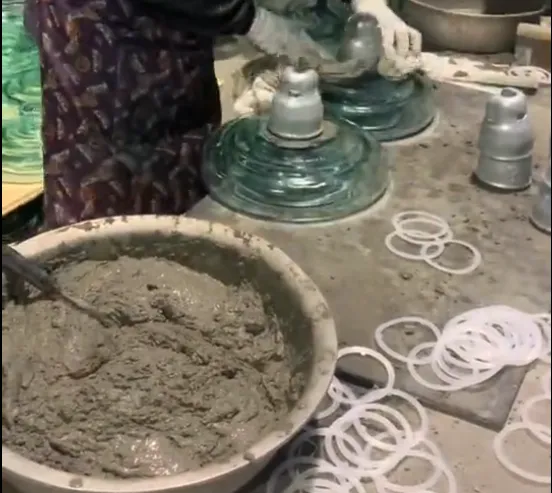
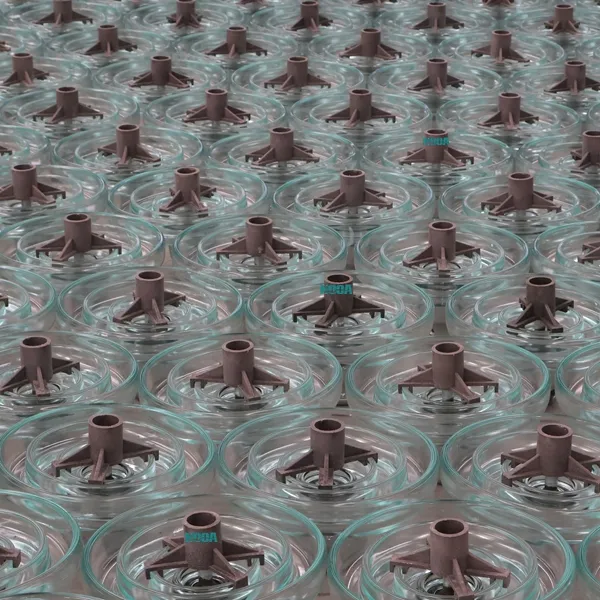
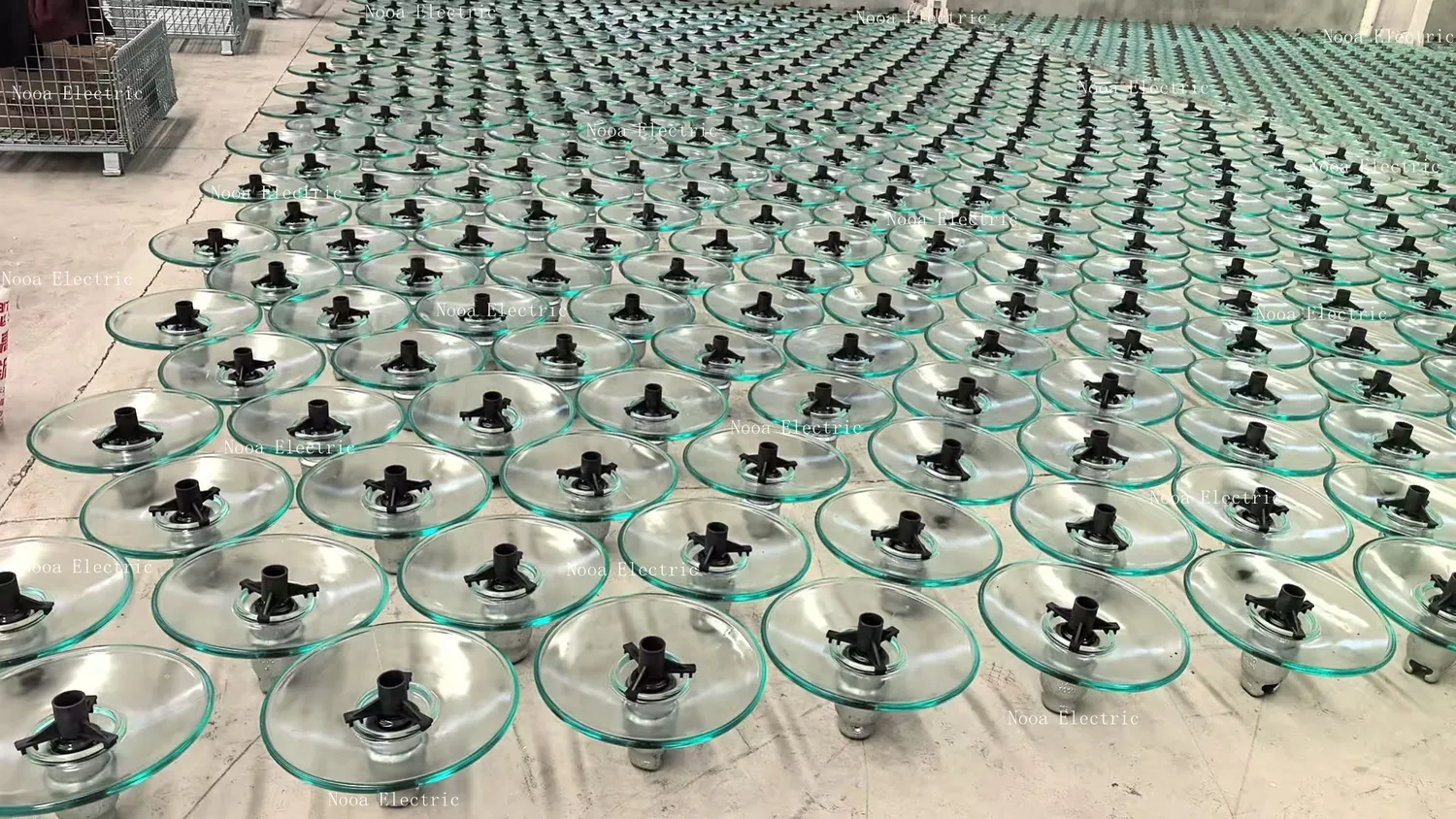
glass electrical insulators, also known as glass insulators or glass isolators, are essential components in electrical systems designed to prevent the flow of electrical current between conductive elements and their support structures. these insulators are crafted from glass, a versatile and durable material that offers excellent electrical insulation properties, making it suitable for a wide range of voltage levels and environmental conditions. glass insulators have been widely used in electrical infrastructure since the early days of electrification and continue to play a vital role in modern electrical engineering.
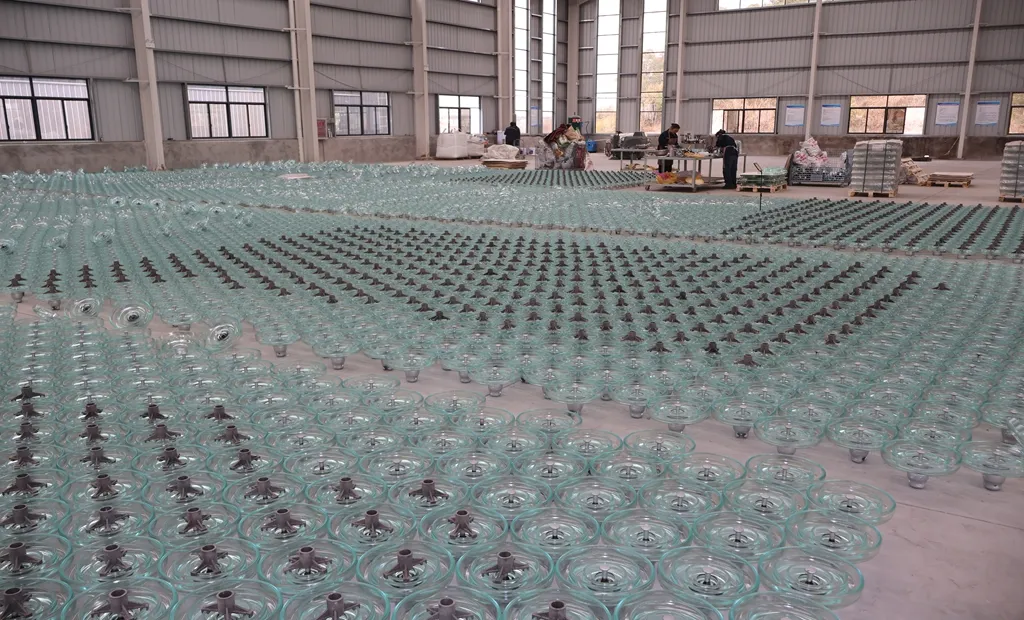
composition and manufacturing of glass electrical insulators :
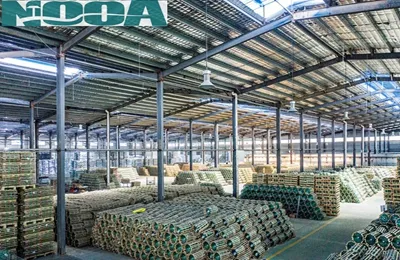
glass insulators are typically made from a special type of glass formulated to possess high electrical resistance and mechanical strength. the manufacturing process begins with raw materials such as silica sand, soda ash, limestone, and various additives, which are melted together at high temperatures in a furnace. the molten glass is then formed into the desired shape using methods such as pressing, blowing, or molding. after shaping, the glass is annealed to relieve internal stresses and enhance its mechanical durability.
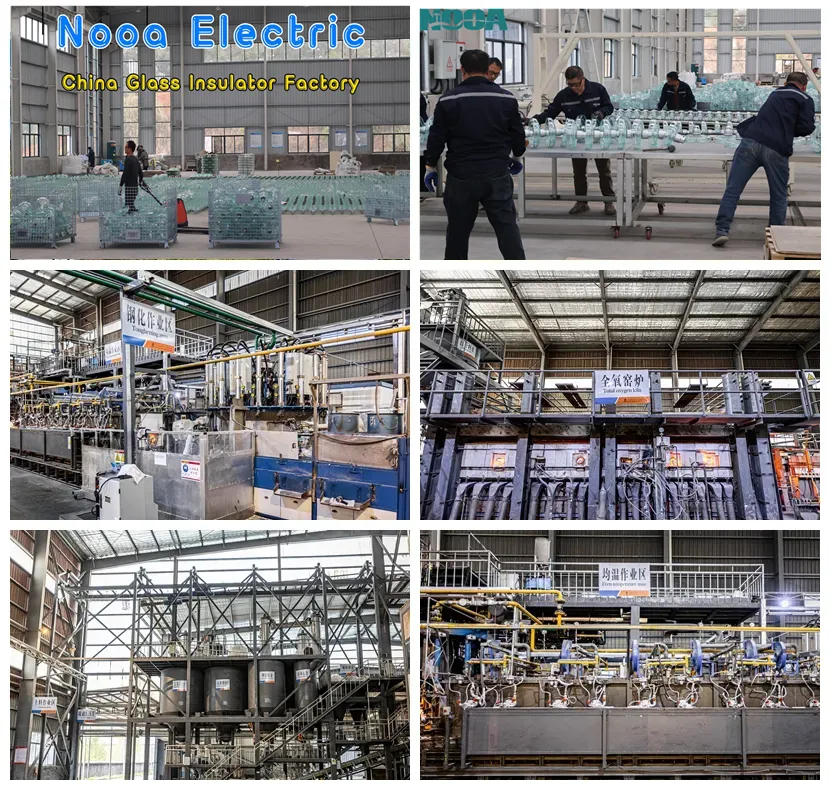
design and structure of glass electrical insulators :
glass insulators come in various shapes and designs tailored to specific applications and voltage requirements. common designs include pin-type insulators, suspension insulators, strain insulators, and post insulators.
1.pin-type insulators: these insulators feature a simple design with a single insulating unit mounted on a metal pin. they are commonly used to support overhead power lines and are attached to crossarms or other supporting structures.
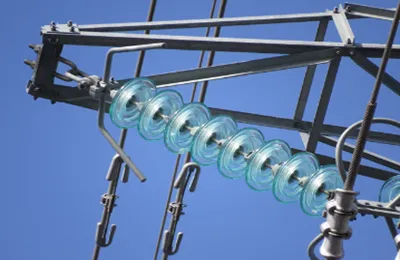
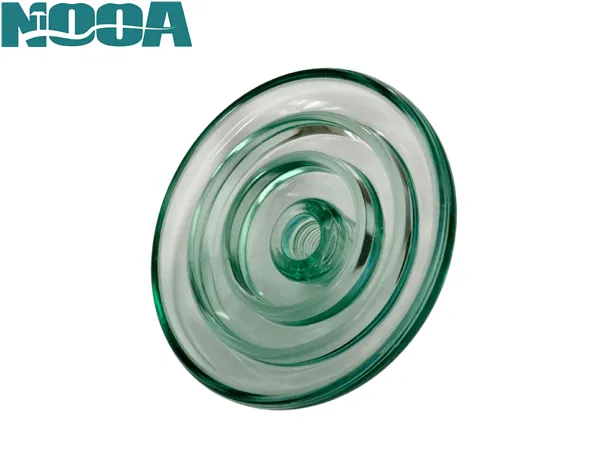
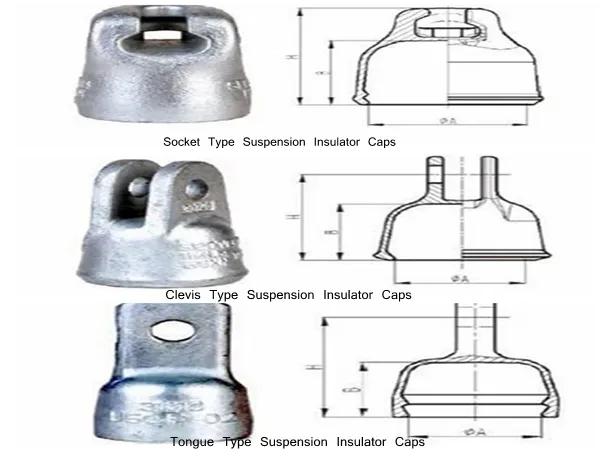
2.suspension insulators: suspension insulators consist of multiple glass discs or shells stacked together and connected in series by metal fittings. they are used to hang power lines from overhead structures and provide insulation against both electrical and mechanical stresses.
3.strain insulators: strain insulators are designed to withstand mechanical tension in overhead lines caused by factors such as wind or ice loads. they typically feature a donut-shaped glass insulator with metal end fittings that allow them to be securely attached to the line and supporting structures.
4.post insulators: post insulators are used to support busbars, switches, and other electrical apparatus in substations and indoor installations. they feature a solid glass or glass-ceramic construction with metal end fittings for mounting.
advantages and applications of glass electrical insulators :
glass insulators offer several advantages that make them well-suited for various electrical applications:
1.high dielectric strength: glass exhibits excellent electrical insulation properties, allowing insulators to withstand high voltages without electrical breakdown.
2.mechanical durability: glass insulators are resistant to mechanical stresses such as tension, compression, and impact, ensuring reliable performance under harsh environmental conditions.
3.resistance to environmental factors: glass is non-porous and resistant to moisture, uv radiation, and chemical corrosion, making glass insulators suitable for outdoor applications in diverse climates.
4.aesthetic appeal: glass insulators often feature decorative designs and colors, making them visually appealing and suitable for historical preservation or aesthetic enhancement projects.
5.longevity and low maintenance: glass insulators have a long service life and require minimal maintenance, reducing operational costs and downtime for electrical systems.
in a word, glass electrical insulators are essential components in electrical infrastructure, providing reliable insulation and support for the transmission and distribution of electrical power. with their excellent electrical insulation properties, mechanical durability, and resistance to environmental factors, glass insulators continue to be a preferred choice for a wide range of voltage levels and applications in the field of electrical engineering.