What Are High Voltage Glass Insulators?
How much do you know when we mentioned high voltage glass insulators? Now, Let's learn with
Hunan Nooa Electric!
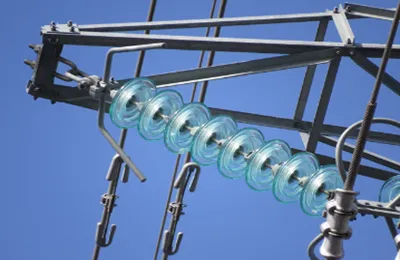
High voltage glass insulators are electrical components designed to insulate and support high-voltage transmission lines, ensuring the safe flow of electricity from power plants to consumers. Unlike traditional ceramic insulators, glass insulators are made from borosilicate glass that offers superior mechanical strength, electrical resistance, and environmental resilience. These insulators are specifically engineered to handle harsh weather conditions, high mechanical loads, and electrical stresses without failing.
Key Features of High Voltage Glass Insulators
1. Superior Insulation Performance
Glass insulators excel in providing outstanding electrical insulation. The high dielectric strength of borosilicate glass makes it an ideal material for high voltage applications, preventing electrical leakage and minimizing flashover risks. Their low failure rate stems from their ability to withstand high voltages without compromising safety.
2. Enhanced Mechanical Strength
High voltage glass insulators offer exceptional mechanical strength, which is essential for their use in extreme weather conditions. With a rated mechanical load of ≥120kN, they can endure harsh environmental stresses such as wind, ice, and seismic activity, ensuring stability and reliability over time.
3. Self-Cleaning Surface
One of the most significant advantages of high voltage glass insulators is their self-cleaning property. The smooth surface of the glass prevents dust, dirt, and pollutants from accumulating. This self-cleaning feature drastically reduces the risk of pollution flashovers, which are common causes of system failures in high-voltage transmission lines.
4. Long Lifespan
Glass insulators have an incredibly long lifespan, with some models offering maintenance-free operation for up to 30 years. Their durability and resistance to environmental factors such as salt mist, UV radiation, and temperature fluctuations make them a cost-effective investment for long-term power transmission infrastructure.
5. High Resistance to Environmental Factors
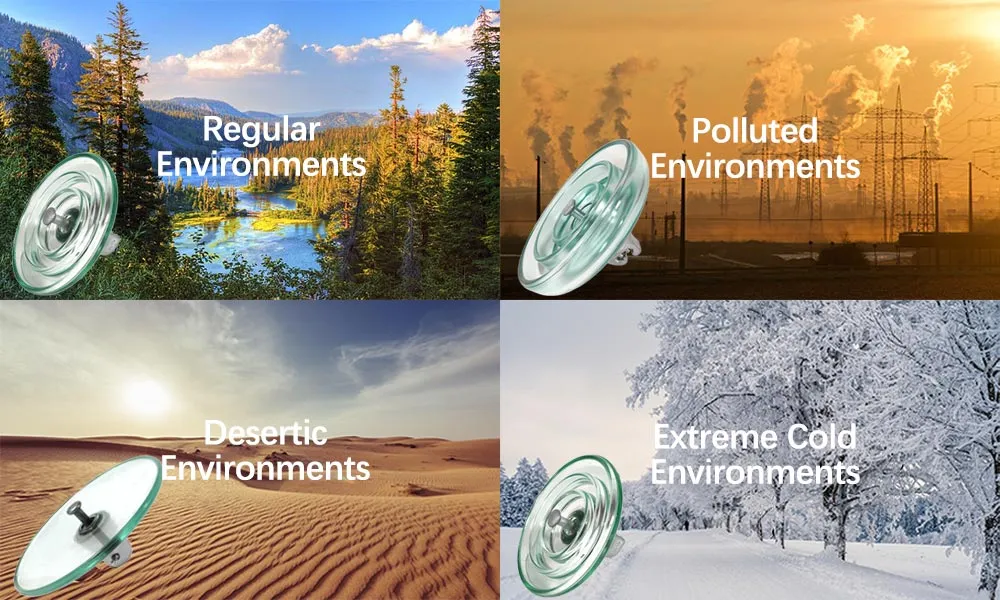
High voltage glass insulators are particularly effective in extreme environments. Whether it's salt mist, high humidity, or temperature extremes, glass insulators can maintain their integrity without degradation. This resilience is why they are commonly used in coastal areas, desert regions, and places with harsh weather conditions.
Low Failure Rate: The Secret to Long-Term Reliability
The low failure rate of high voltage glass insulators can be attributed to several factors:
Material Integrity: The borosilicate glass used in these insulators has excellent resistance to thermal shock, corrosion, and mechanical stress. This robustness ensures the insulator remains intact even under challenging conditions.
Durability in Harsh Environments: Glass insulators are less prone to damage from environmental stressors such as high winds, salt mist, and pollution. Their resistance to UV radiation and weathering further minimizes the chance of failure.
Lower Maintenance Requirements: With a maintenance-free lifespan of up to 30 years, high voltage glass insulators reduce the need for frequent inspections and replacements, leading to lower long-term operational costs and reduced failure rates.
Advantages Over Ceramic and Composite Insulators
While porcelain insulators and composite insulators have been used for many years in power transmission systems, glass insulators offer a range of benefits that make them superior in terms of performance and reliability:
1. Higher Mechanical Strength
Glass insulators generally offer higher mechanical strength compared to ceramic and composite insulators. This makes them more suitable for high-stress environments, such as overhead transmission lines in areas prone to storms, earthquakes, or heavy winds.
2. Lower Cost of Ownership
Glass insulators are known for their low failure rate and long service life, which ultimately makes them more cost-effective than ceramic or composite insulators. Their maintenance-free lifespan means that companies save on replacement costs and maintenance labor over the years.
3. Improved Pollution Flashover Resistance
Pollution flashover is a significant concern for electrical transmission systems, especially in areas with high levels of industrial activity or coastal regions. Glass insulators, due to their self-cleaning surface, are far more resistant to pollution flashovers compared to ceramic insulators, which tend to accumulate dirt and contaminants more easily.
Applications of High Voltage Glass Insulators
1. High-Voltage Transmission Lines
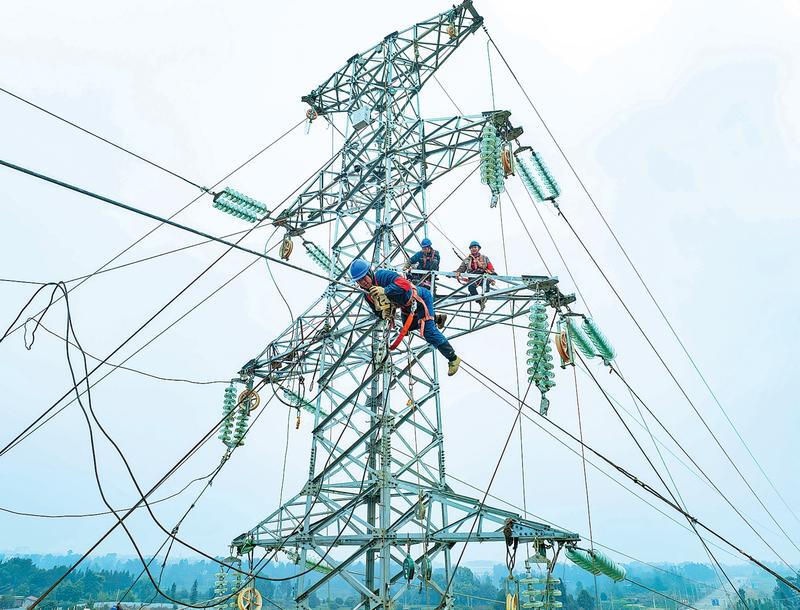
Glass insulators are widely used in high-voltage transmission lines because of their excellent electrical insulation properties and high mechanical strength. They ensure the smooth transfer of electricity across long distances, helping to minimize the risk of power outages caused by flashovers or mechanical failure.
2. Coastal Areas and Harsh Environments
In regions where salt mist and high humidity are prevalent, glass insulators offer a significant advantage due to their corrosion resistance. Coastal power plants and transmission lines rely heavily on glass insulators to avoid corrosion and degradation, which can significantly impact the reliability of the system.
3. Substations and Electrical Infrastructure
Glass insulators are used in substations and electrical infrastructure where high-voltage equipment is located. Their ability to maintain high electrical resistance while withstanding heavy mechanical loads makes them ideal for these critical applications.
How to Choose the Right High Voltage Glass Insulator
When selecting a high voltage glass insulator, it is essential to consider several factors:
Mechanical Load Capacity: Choose an insulator with a mechanical load rating that matches the demands of the transmission line.
Pollution Flashover Resistance: Ensure that the insulator has a self-cleaning surface or the appropriate pollution flashover voltage rating for your environmental conditions.
Climate Adaptability: Select an insulator that can withstand the specific environmental conditions (e.g., temperature extremes, humidity, salt mist) of the installation site.
Certification and Compliance: Always verify that the insulator complies with international standards such as IEC and CE certifications.
High voltage glass insulators with low failure rates offer unmatched durability, performance, and reliability in the most demanding power transmission environments. With superior electrical insulation, high mechanical strength, and long lifespan, they are the ideal choice for utilities and companies looking to reduce operational costs, minimize system failures, and improve overall transmission reliability. Whether for coastal areas, high-voltage lines, or substations, glass insulators provide the performance needed to ensure the smooth and safe flow of electricity for years to come. Click for more power insulators details.
FAQ About High Voltage Glass Insulators with Low Failure Rate
1.Why do glass insulators have low failure rates?
Toughened glass provides stable electrical properties, high mechanical strength, and strong resistance to environmental aging.
2.What happens when a glass insulator fails?
The glass shell typically shatters visibly, allowing maintenance teams to identify defective units quickly.
3.Are glass insulators suitable for polluted environments?
Yes. Specialized anti-pollution designs are available for coastal, desert, and industrial environments.
4.Why is low failure rate important for transmission projects?
Lower failure rates reduce outages, maintenance costs, and long-term operational risks.
5.What standards should reliable transmission insulators meet?
Most international projects require compliance with IEC or ANSI standards.